Home > News > Industry News
Natural Scented Candles help eco-friendly candle brands decide what to sell, how to explain benefits, and how to avoid exaggerated claims. This guide compares natural candles, scented candles, wax types, fragrance choices, packaging, and sourcing points for brands developing eco-friendly candles, private label natural candles, or premium home fragrance candles.
The real difference is not one single ingredient, but the full product system: wax, fragrance, wick, container, packaging, and claim accuracy. Many buyers think “natural” only means plant wax, but strong products usually combine suitable wax, stable scent performance, safe burning design, and responsible packaging.
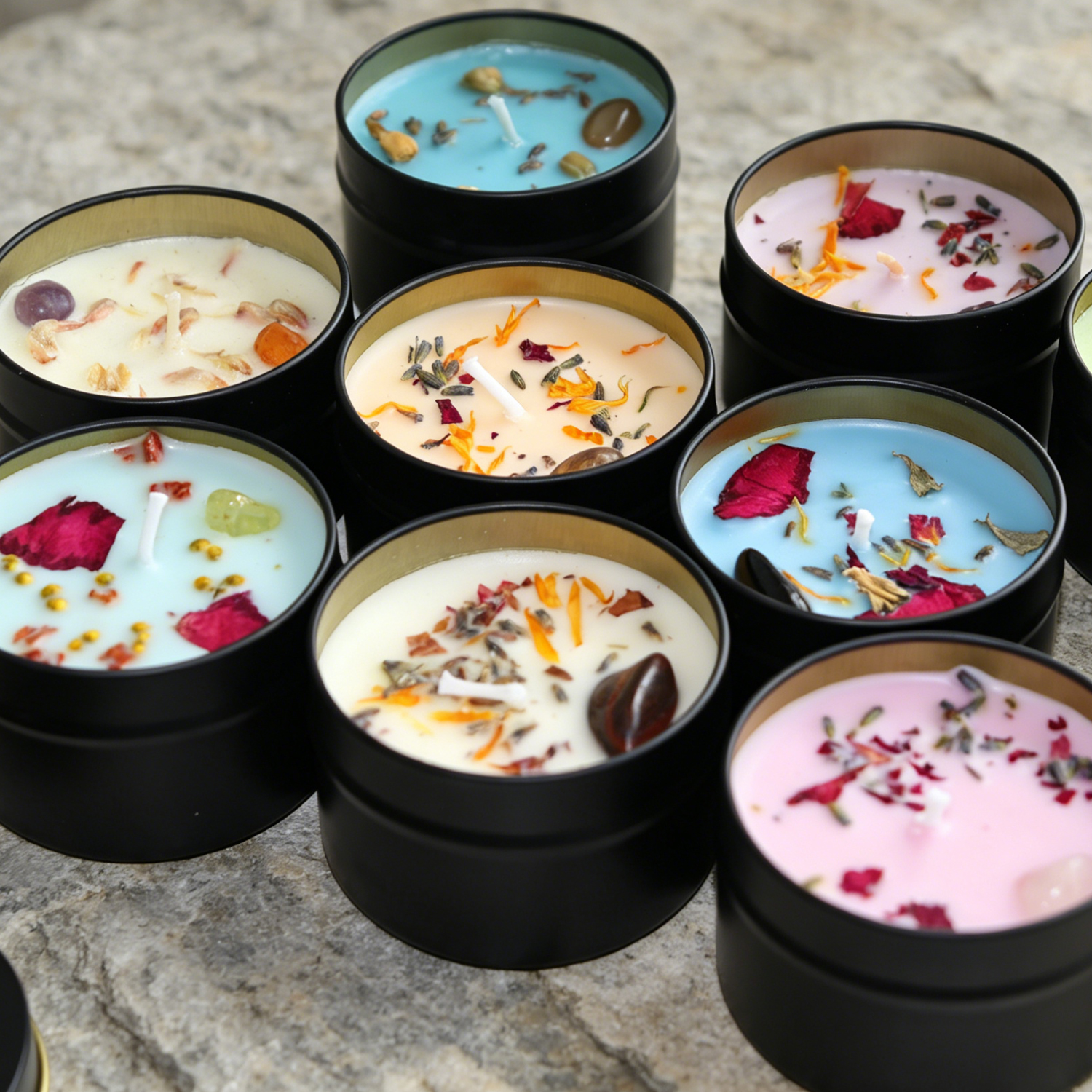
For eco-friendly brands, plant-based wax candles are often the first choice because they support a clearer sustainability story. Common options include soy wax candles, coconut wax candles, and beeswax candles. Wick choice also matters. Cotton wick candles fit a clean and simple product message, while wood wick candles can create a more premium sensory experience.
However, brands should be careful with the word “natural.” Eco-friendly candles should not be marketed as automatically smoke-free, allergy-free, or medically beneficial. A more reliable message is: thoughtfully selected materials, softer fragrance experience, tested burning performance, and packaging designed with less waste.
|
Product Element |
What to Check |
Practical Decision |
|
Wax |
Source, texture, melting point, stability |
Match wax to price and fragrance goal |
|
Fragrance |
Natural feel, safety, hot throw, cold throw |
Avoid choosing by cold smell only |
|
Wick |
Cotton, wood, size, flame behavior |
Test with final jar and wax formula |
|
Container |
Glass, tin, ceramic, refill concept |
Balance look, weight, and reuse potential |
|
Packaging |
Recyclable box, minimal plastic, protection |
Do not sacrifice breakage protection |
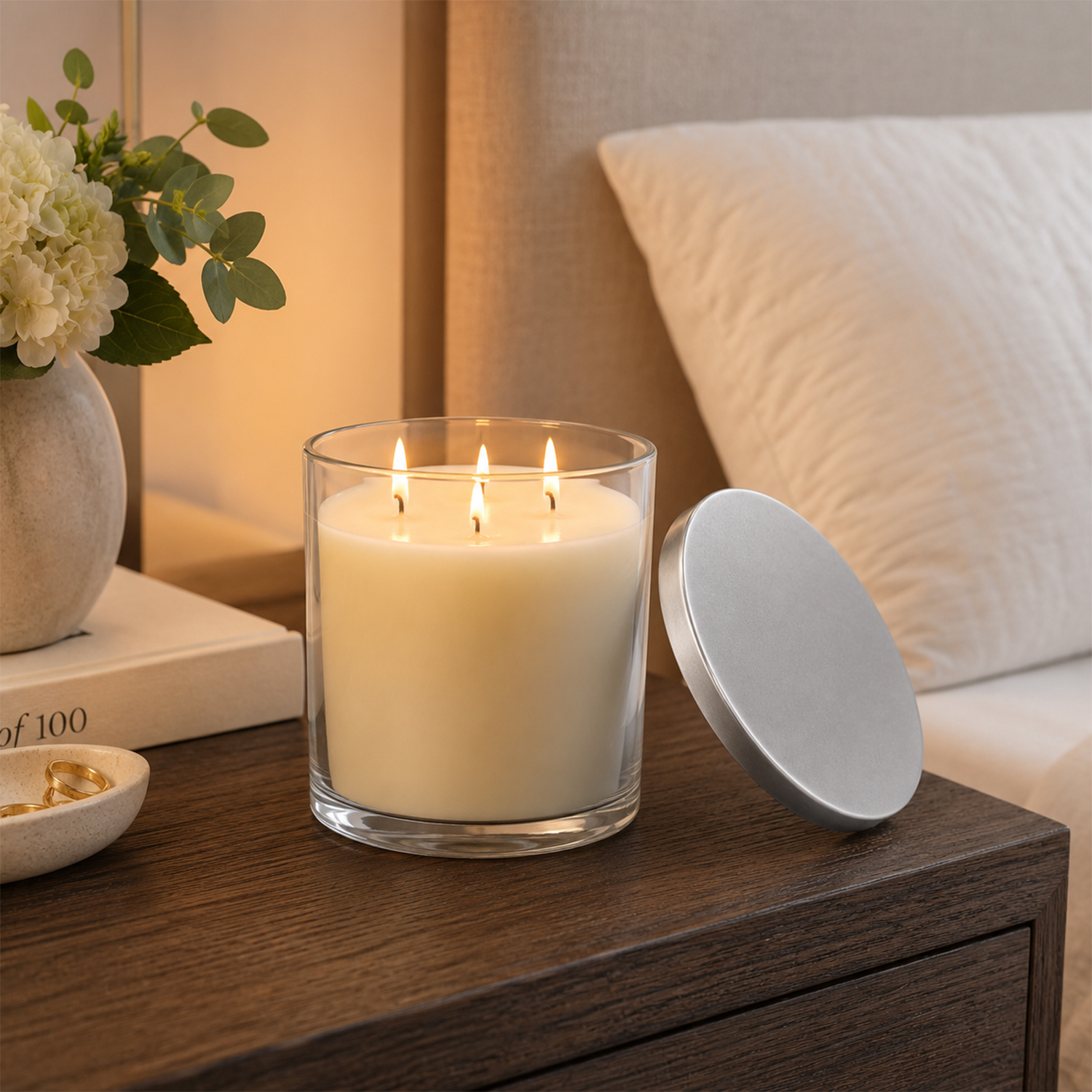
The strongest benefits are brand trust, softer home fragrance, premium positioning, and better alignment with eco-conscious customers.Natural Scented Candles can help brands speak to consumers who want products that feel calmer, simpler, and more connected to daily rituals.
For wellness-focused brands, aromatherapy candles and wellness candles can support routines such as reading, bathing, yoga, or evening relaxation. The key is to describe atmosphere rather than medical outcomes. For example, “creates a calm home setting” is safer and more credible than claiming to treat anxiety or improve health.
For retail brands, gift candles and luxury scented candles made with natural-positioned ingredients can justify higher pricing when the packaging, fragrance design, and burn quality support the story. Handmade candles can also create a craft identity, especially when paired with small-batch colors, simple labels, and warm photography.
Another benefit is storytelling. Customers increasingly want to know what is inside a product and why it costs more. If your line uses carefully selected wax, recyclable packaging, and tested fragrance formulas, you can explain value without relying on vague green claims.
The term clean burning candles should be used carefully. It is acceptable as a market description only when supported by wick selection, formula testing, and proper usage instructions. Even the best candle can smoke if the wick is too long, the room is drafty, or the candle is burned incorrectly.
Wax selection should follow your brand position, target price, and fragrance expectations. There is no universal best wax for every eco-friendly brand. Natural Scented Candles for a spa line, gift collection, and mass retail range may require different formulas.
|
Option |
Strength |
Limitation |
Best Use |
|
Soy wax candles |
Plant-based story, good market acceptance |
May frost or have softer hot throw |
Daily home fragrance and wellness lines |
|
Coconut wax candles |
Smooth surface, premium feel |
Higher cost |
High-end collections and boutique retail |
|
Beeswax candles |
Natural warm tone and subtle honey note |
Less flexible for strong scents |
Gift, rustic, and natural-style products |
|
Plant-based wax candles |
Clear eco-friendly positioning |
Formula stability must be tested |
Green lifestyle and private label ranges |
|
Blended wax |
Better balance of burn and scent |
Label wording must be accurate |
Commercial products needing consistency |
Fragrance is often the hardest decision. Essential oil candles sound attractive, but essential oils can be expensive, less stable under heat, and sometimes weaker in hot throw. High-quality fragrance oils with a natural scent profile may perform better for some scented candles, as long as the brand communicates honestly.
Eco-friendly brands should test both cold throw and hot throw. Cold throw affects shelf appeal when customers open the lid. Hot throw decides whether the candle actually satisfies users during burning. If a candle smells wonderful in the sample room but weak after one hour of burning, it may not create repeat purchases.
A practical fragrance range can include one fresh scent, one herbal scent, one woody scent, one floral scent, and one seasonal scent. This keeps the collection focused and avoids tying up cash in too many slow-moving SKUs.
The safest product development path is to start with fewer SKUs, stronger testing, and clearer positioning. Brands buying wholesale natural scented candles or developing custom natural scented candles should first define channel, price point, and customer expectation.
Use this decision process before sampling:
1. Define the product role: daily use, premium gift, spa retail, seasonal launch, or subscription box.
2. Choose wax type based on brand promise, not trend pressure.
3. Select 3–5 fragrance directions before expanding the collection.
4. Confirm whether the line will use private label natural candles or fully custom packaging.
5. Test burn time, flame height, wax pool, jar temperature, smoke, and scent strength.
6. Compare total landed cost, including jar weight, box size, freight, and damage risk.
7. Ask your natural candle supplier or natural candle manufacturer for pre-production samples using final materials.
8. If planning eco-friendly candle wholesale, avoid over-customized seasonal packaging that cannot sell after the campaign.
Packaging should match the product promise. A premium eco line may use recyclable paper boxes, glass jars, kraft labels, or reusable vessels. But “less packaging” is not always better if it increases breakage. For e-commerce, protective inserts are necessary even when the brand wants a sustainable image.
Aoyin Xingtang Candle can support eco-friendly candle brands with wax selection, fragrance development, jar options, labels, boxes, and stable bulk quality. For custom natural scented candles and private label natural candles, its customization ability and responsive service help brands reduce sampling confusion and keep repeat orders consistent.
A profitable natural candle line depends on honest claims, reliable testing, and a product story customers can understand quickly.Natural Scented Candles work best when the wax, fragrance, wick, and packaging all support the same eco-friendly message.
If you are building eco-friendly candles, start with a focused brief: target market, wax preference, scent style, packaging budget, and expected retail price. Request samples, test the real burn experience, and compare suppliers before bulk production. Contact a reliable manufacturer to develop a collection that looks natural, smells consistent, and supports long-term brand trust.
 Hot News
Aoyin Xingtang Candle Co., Ltd., founded in January 2014, is situated Hebei Province. it features 5 production lines and over 400 machines, specializing in scented candles, tea lights, jar candles, pillar candles, and more.
Fengjiazuo Village West, Yuting Township, Shijiazhuang, Hebei, China
Copyright © Aoyin Xingtang Candle Co., Ltd. All Rights Reserved Privacy Policy
 EN
EN