Home > News > Industry News
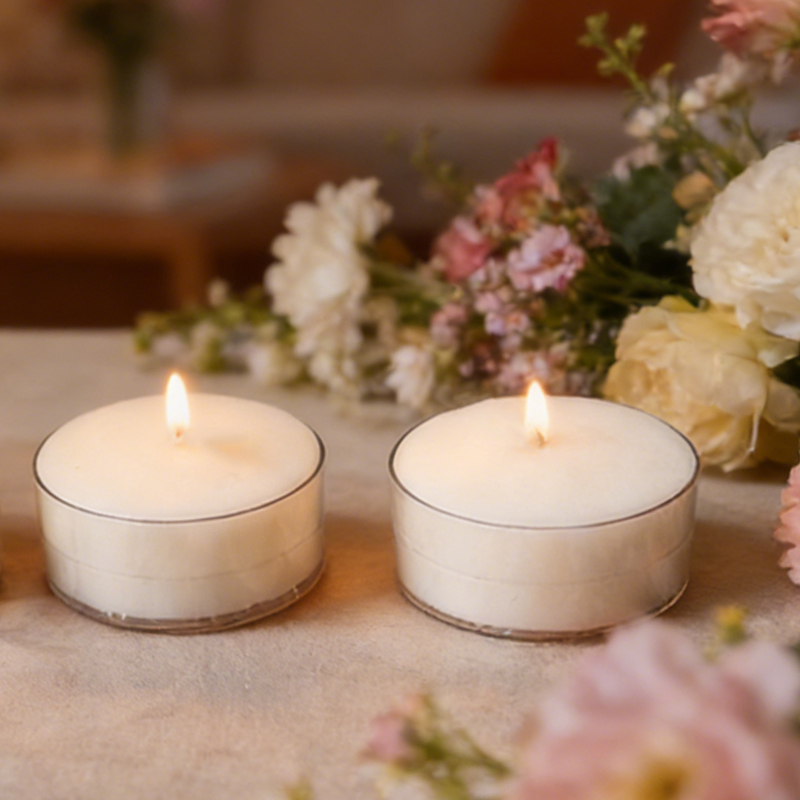
Across global lifestyle retail, small home products have gained new importance as consumers pay more attention to atmosphere, gifting, seasonal rituals, and everyday sensory details. What was once treated as a simple household accessory is now shaped by shelf presentation, online photography, fragrance storytelling, and brand consistency. In the home décor and wellness markets, compact wax products are often evaluated not only by function, but also by how they fit into a wider retail scene. Within this broader shift, Scented Tea Candles, scented tea light candles, and home fragrance candles have become meaningful products for buyers who need flexible items that can move across gift, spa, event, and seasonal channels.
Scented Tea Candles are small in size, which makes packaging concept especially important. For B2B buyers, the product is rarely understood as a single unit on its own. Instead, tea candles are usually presented through quantity, fragrance grouping, visual rhythm, and retail candle packaging. The buyer is not only purchasing wax and fragrance, but also a finished retail expression that can sit clearly on a shelf or be photographed for an online store.
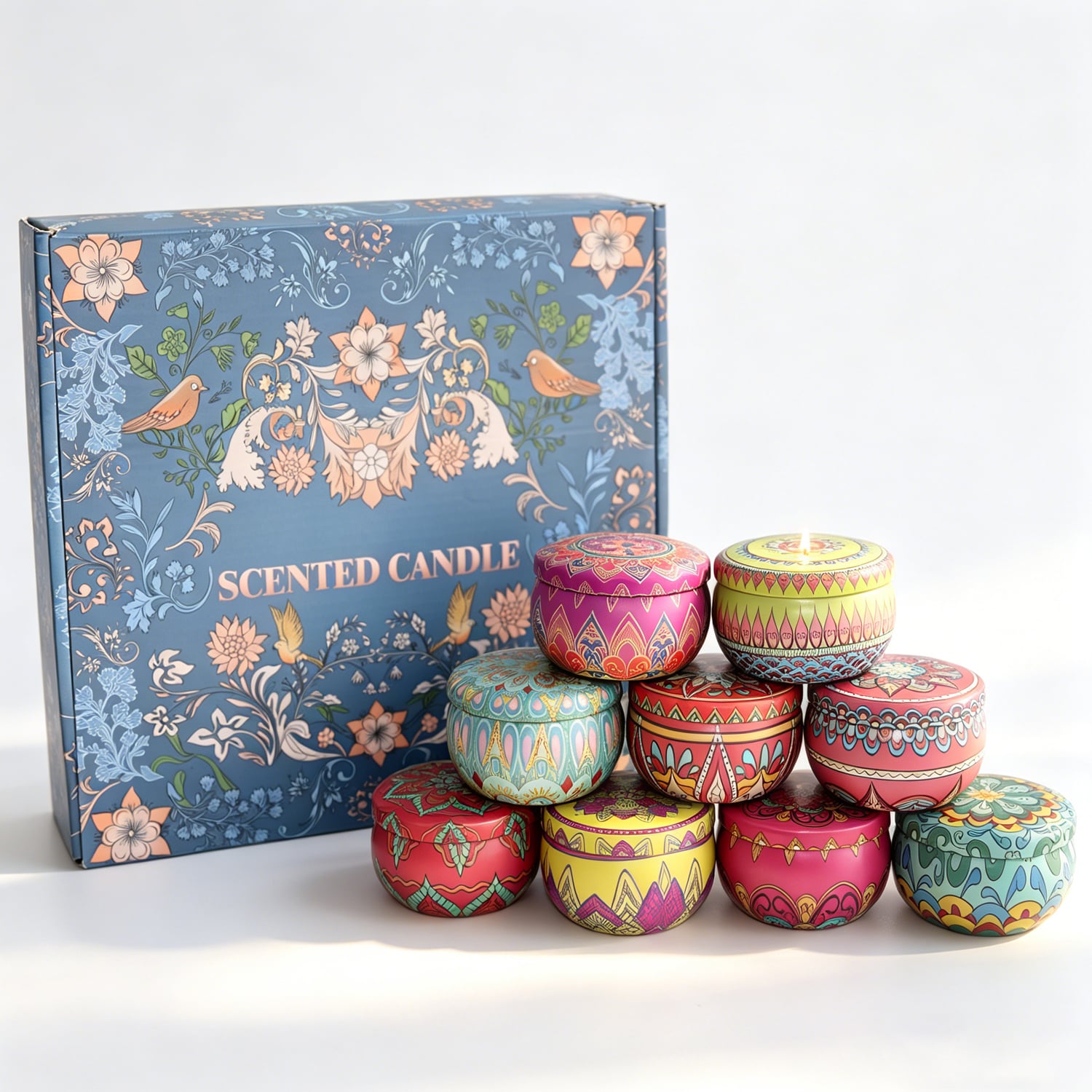
The compact nature of tea light candles creates both freedom and pressure. They can be placed in boxes, trays, sleeves, windows, gift packs, or seasonal displays, but without a coherent packaging idea they may look too ordinary. Scented Tea Candles Packaging should therefore be treated as part of product identity rather than an afterthought. A candle gift set built around several coordinated fragrances can feel more complete than loose units, while wholesale tea light candles can still carry a stronger commercial message when the box explains use, scent family, and mood. For home fragrance candles, this packaging layer helps the buyer translate a small item into a clear retail concept.
Scented Tea Candles occupy a special position because they are accessible, repeatable, and easy to combine. Their meaning is often created through context. In a minimalist box, they may feel calm and domestic. In a floral printed sleeve, they may feel romantic and soft. In festive packaging, they may become part of holiday décor. Retail candle packaging therefore works like a silent salesperson, explaining the mood before the customer smells the product.
For scented tea light candles, packaging must also manage expectation. Customers may imagine a room atmosphere from a small visual cue, so fragrance name, color, and box artwork should belong to the same world. If tea candles carry a lavender theme, the design may suggest relaxation and quiet evenings. If citrus notes are used, the visual system may feel fresher and brighter. Scented Tea Candles OEM projects should connect fragrance development with box design early, because OEM tea candles become more convincing when the physical product and the packaging tell the same story.
Tea Light Candles are often strongest when developed as collections. A buyer may choose several scents not only for variety, but for the way they create a shelf sequence. Scented Tea Candles in a coordinated range can support themes such as floral evenings, clean home routines, festive gatherings, or spa-inspired quiet time. A scented candle set gives the retailer an easier story to display, because the customer can understand the group as one complete idea.
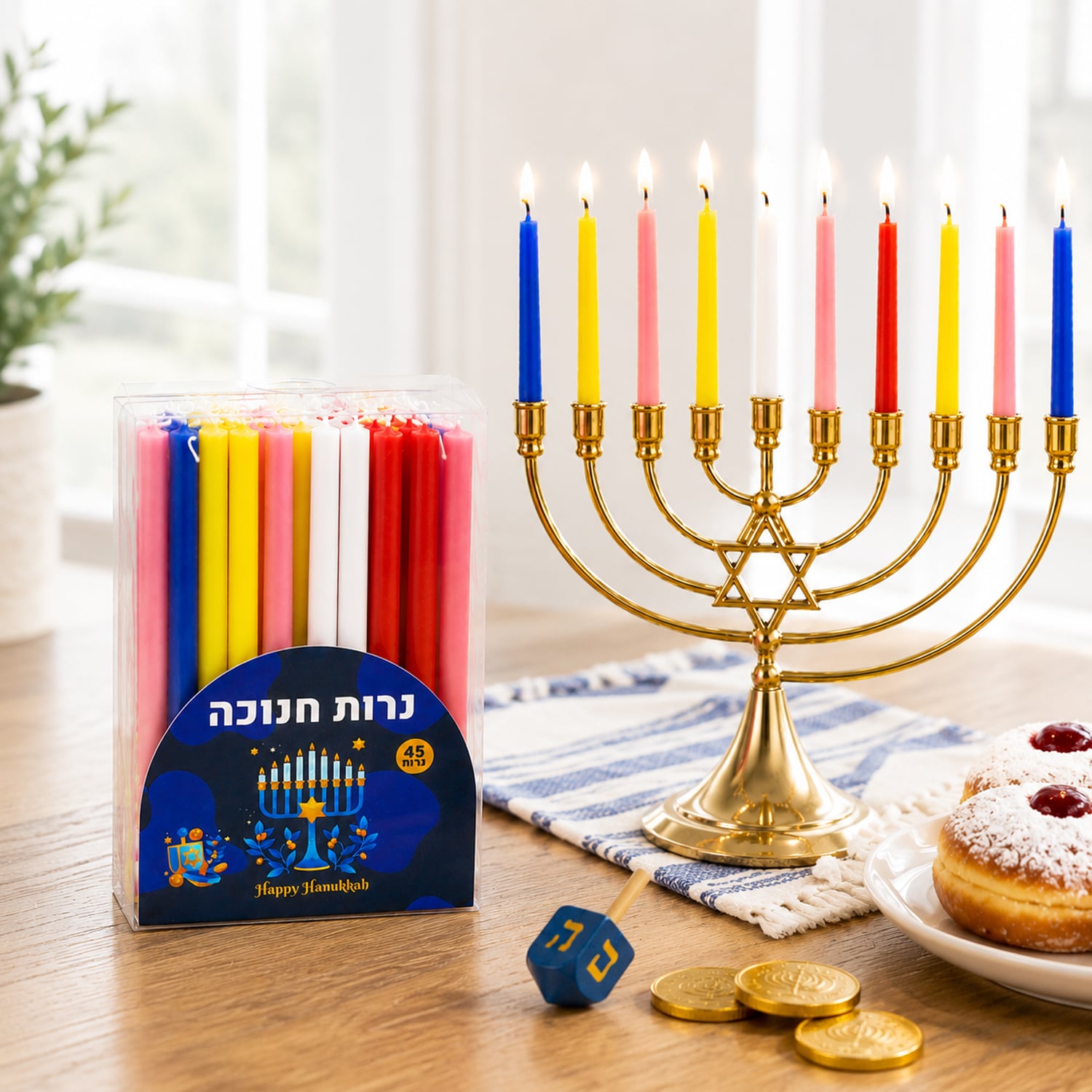
Holiday candles, spa candles, and wedding candles each require a different design language. A festive range may use warmer colors and richer fragrance names, while a spa range may prefer soft tones and calmer scent descriptions. A wedding range may need restraint, elegance, and a sense of occasion. Scented Tea Candles can move across all these settings, but only when the concept is controlled. Custom tea light candles allow buyers to adjust color, aroma, cup style, and outer box to match a retail program. Gift candles in this format should feel intentionally assembled, not simply packed in larger quantities.
Private Label Tea Candles give B2B buyers a way to turn a basic format into a recognizable brand object. The private label idea should not be reduced to placing a logo on a box. It includes the relationship between scent names, visual tone, packaging structure, product quantity, and the type of store or customer being addressed. When the concept is clear, the same small wax item can become part of a seasonal line, a wellness collection, a hotel amenity range, or a home décor program.
In private label development, a tea candle supplier should understand the difference between a low-cost pack and a brand-ready item. The buyer may need support with fragrance matching, color consistency, cup selection, warning text, barcode placement, and export packaging. Aoyin Xingtang Candle can be mentioned naturally in this context as a manufacturer that supports customized fragrance, logo, color, packaging, and export coordination for international B2B orders. The important point is not to overcomplicate the product, but to give every design choice a reason within the brand story.
Custom Tea Light Candles are especially relevant to gift and seasonal categories because they can be adapted without changing the basic form too much. A buyer can build a spring floral set, a winter comfort set, a romantic box, or a meditation-inspired range by adjusting fragrance, color palette, and printed design. This flexibility is useful for brands that need regular newness while maintaining stable production foundations.
The conceptual challenge is to avoid making every seasonal idea look temporary or disconnected. A strong brand can change artwork and fragrance while keeping a recognizable structure. The box shape, typography, language style, and scent naming system can remain consistent, while the seasonal expression changes around them. This helps B2B buyers create continuity across launches and reduces the risk of a scattered assortment. For retail buyers, the product should feel easy to place in a store plan, whether it is arranged near diffusers, ceramic holders, bath products, or festive decorations.
Choosing a Scented Tea Candle Manufacturer is partly a production decision and partly a concept decision. Small-format products require consistency because any misalignment is repeated many times inside one box. Fragrance labels, cup placement, scent order, color matching, and outer box condition all influence the final impression. If the packaging looks attractive but the inner product feels inconsistent, the brand experience becomes weaker.
B2B buyers should think about packaging from the first stage of development. The question is not only how many units fit in one box, but what the box says about the brand and how it protects the product through storage, handling, and shipment. Safety language should remain visible, especially because these are open-flame products used in homes, bathrooms, dining spaces, and event settings. Once the buyer defines market position, fragrance direction, packaging level, and reorder expectations, the next sourcing discussion can begin with a clearer vision for Scented Tea Candles.
 Hot News
Aoyin Xingtang Candle Co., Ltd., founded in January 2014, is situated Hebei Province. it features 5 production lines and over 400 machines, specializing in scented candles, tea lights, jar candles, pillar candles, and more.
Fengjiazuo Village West, Yuting Township, Shijiazhuang, Hebei, China
Copyright © Aoyin Xingtang Candle Co., Ltd. All Rights Reserved Privacy Policy
 EN
EN