Home > News > Industry News
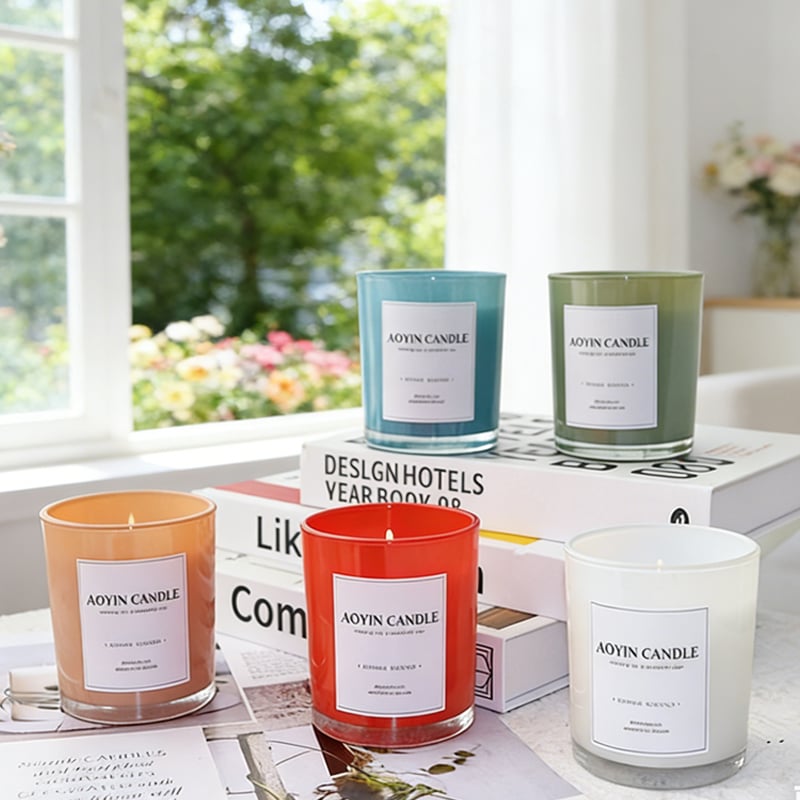
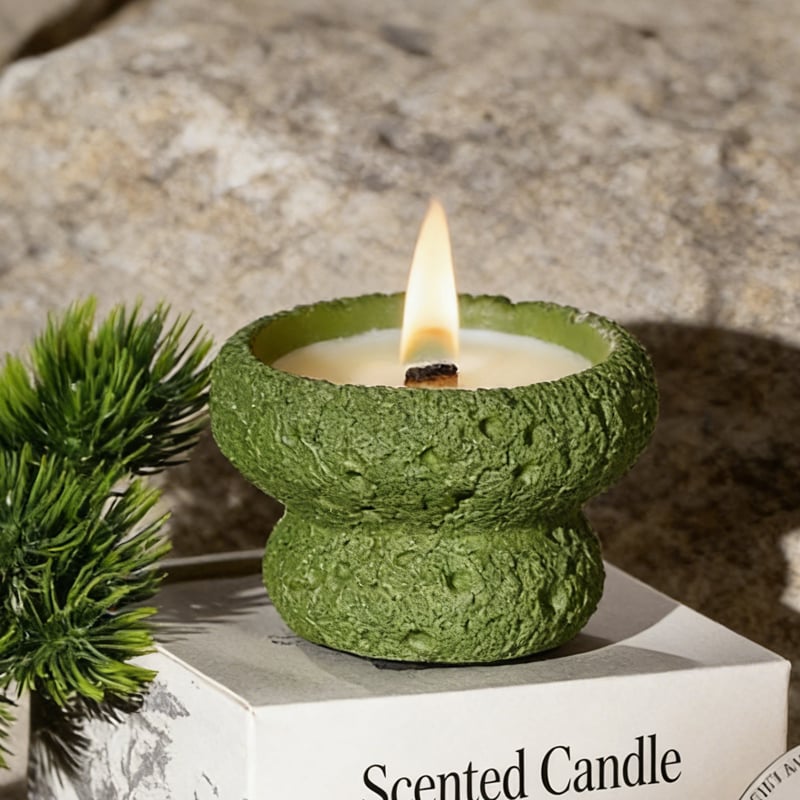
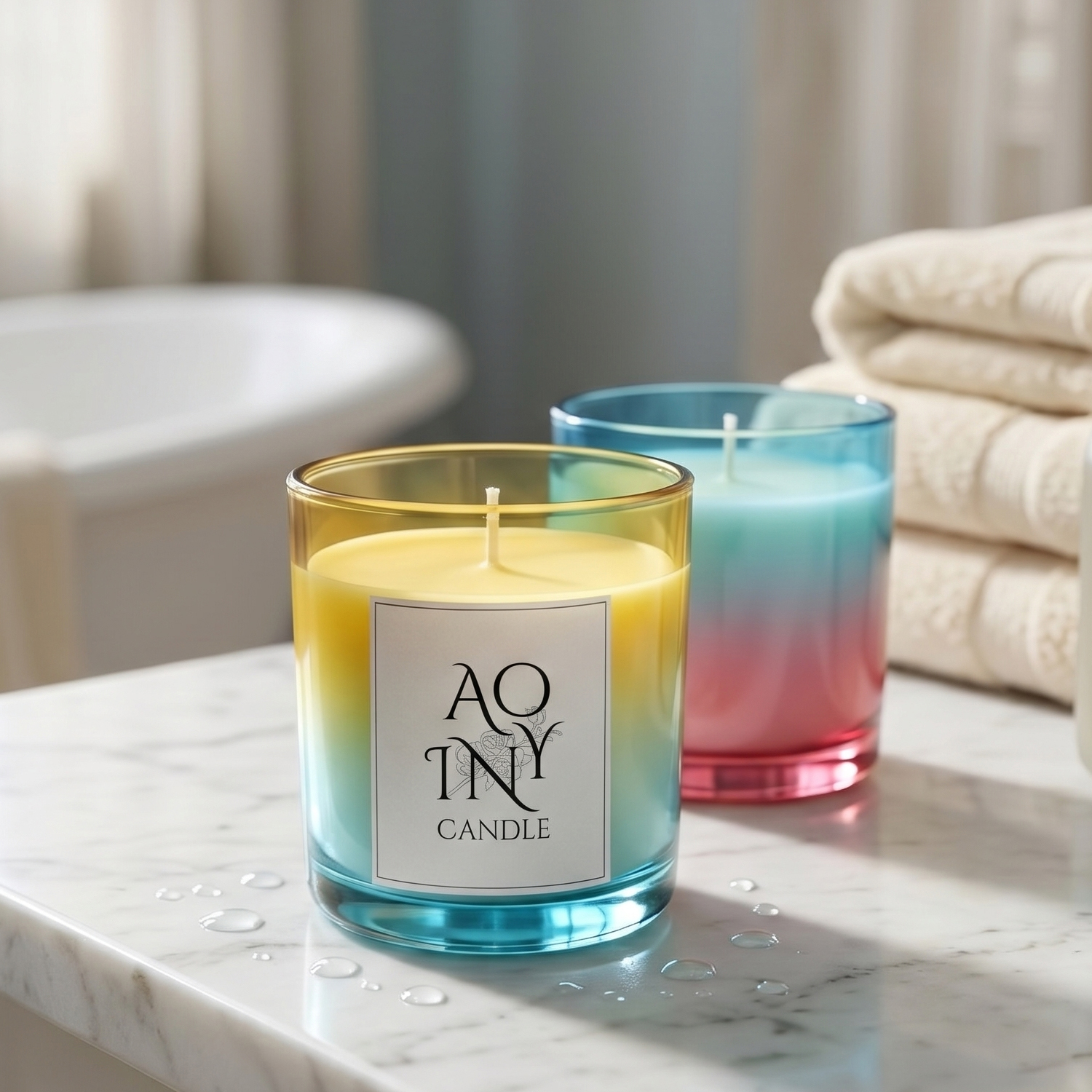
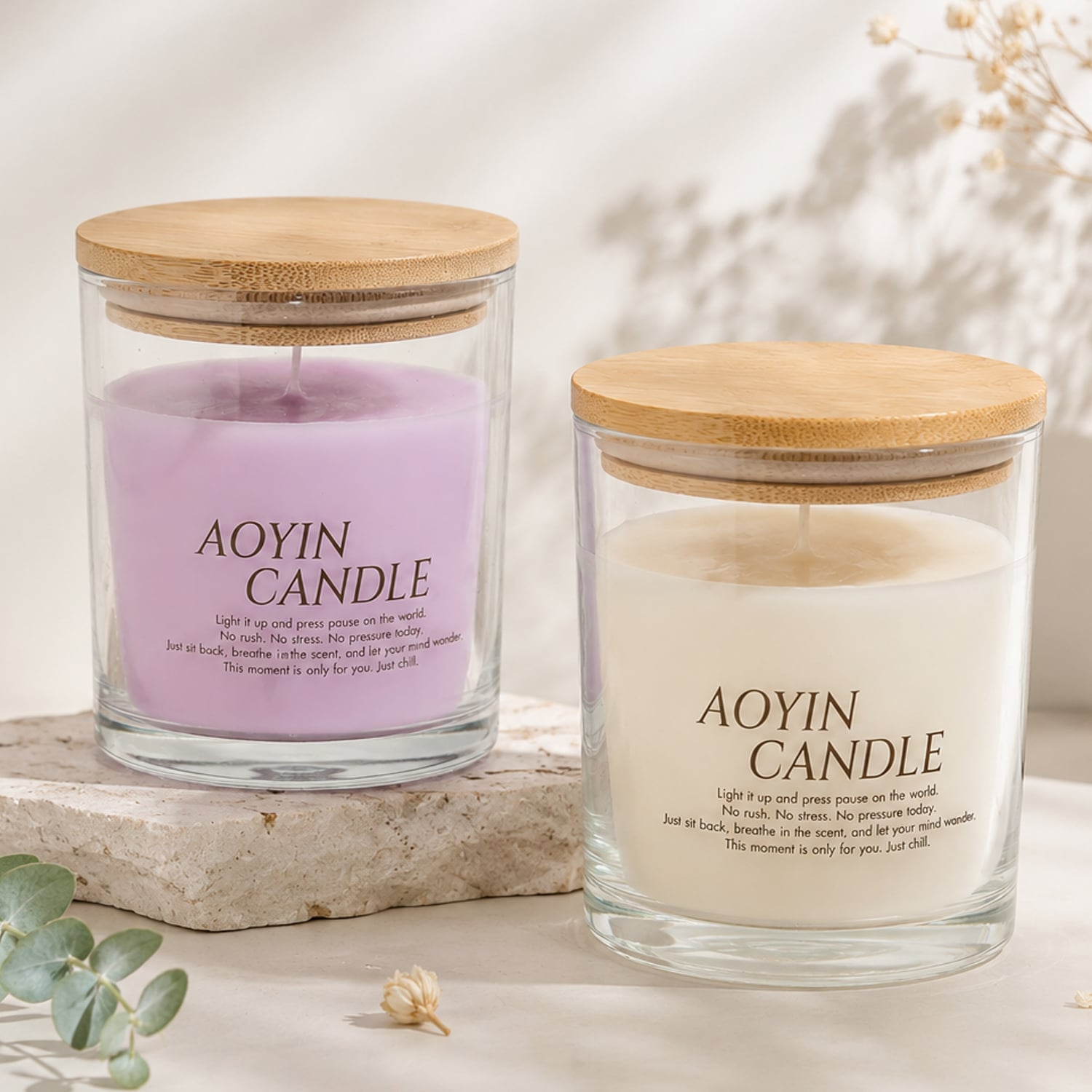
Across global lifestyle retail, scent has become part of how consumers understand space, memory, and personal routine. From incense traditions and perfumed oils to modern home décor and wellness retail, fragrance has long shaped emotional atmosphere before it became a formal product category. Today, stores, hotels, spas, gift brands, and online retailers use scent to build identity, not only to add pleasant smell. This shift has made fragrance development a strategic topic for B2B brands that need products with recognizable character and repeatable quality. Within this wider movement, aromatic candles, scented candles, and home fragrance candles represent a product language where scent, wax, flame, packaging, and brand story work together.
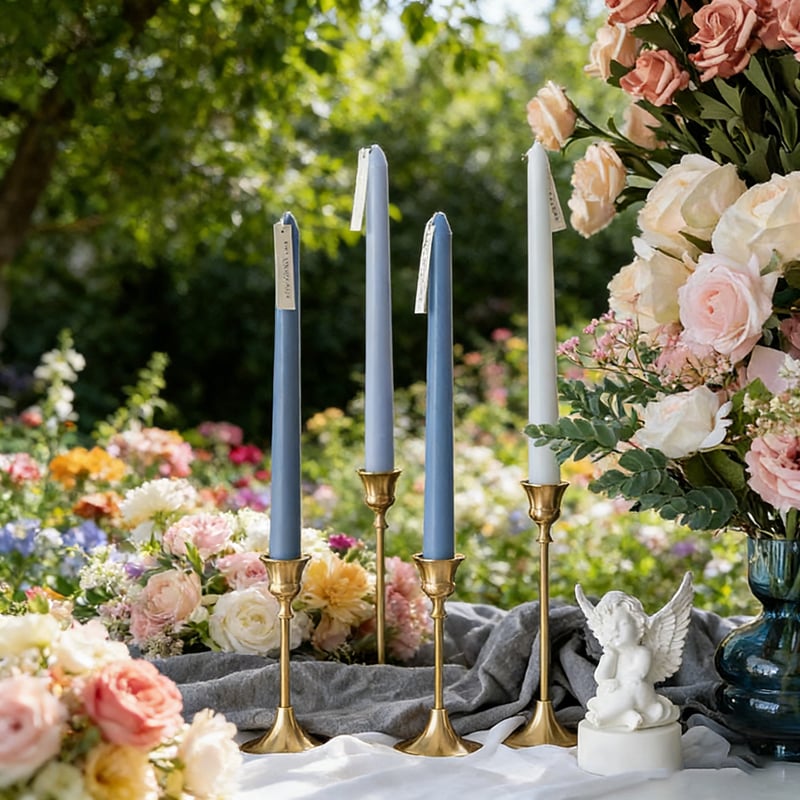
Aromatic candles should be understood as more than wax products with added fragrance. For B2B brands, they are carriers of mood, setting, and customer expectation. Fragrance candles can suggest calm evenings, clean interiors, festive warmth, spa-inspired quietness, or boutique luxury depending on how the scent is designed and named. This makes the category highly flexible, but also more complex than it first appears.
The concept is often confused with aromatherapy candles, yet the two should not always be treated as the same. Aromatherapy language may imply wellness or therapeutic associations, while many home fragrance candles are designed mainly to create atmosphere. A brand can position aromatic candles around relaxation, seasonal living, or interior styling without making exaggerated health claims. This distinction is important because consumers may enjoy emotional associations, but B2B brands still need responsible product language.
A strong concept begins with a clear sensory direction. If a brand wants to feel minimal, the fragrance should not be too sweet or heavy. If the line is intended for festive gifting, warmer notes may feel more suitable. Scented candles become stronger when the fragrance supports the visual world of the brand rather than standing apart from it.
Scented candles need fragrance architecture, not random scent selection. A buyer may like lavender, vanilla, rose, citrus, sandalwood, or amber individually, but a product range needs a reason for these choices to appear together. For aromatic candles, the fragrance family should connect with the target channel, packaging design, and intended use scene.
Fragrance candles can be organized around floral, woody, fresh, gourmand, oriental, green, or seasonal directions. Custom scented candles may also be developed around a brand’s own emotional vocabulary, such as morning clarity, evening warmth, garden air, or hotel calm. Luxury scented candles often rely on layered notes and restrained naming, while mass-market products may use more direct and familiar scent descriptions.
The development process should consider how customers first encounter the product. Before lighting, they judge the cold scent, label, vessel, and color. After lighting, they judge the hot scent and atmosphere. If aromatic candles smell attractive in the box but perform weakly during use, the brand experience becomes incomplete. This is why fragrance architecture must include both creative naming and practical testing.
Custom scented candles give B2B brands the opportunity to build a recognizable scent identity. Private label candles should not be treated as generic products with a logo added at the end. The stronger approach is to define fragrance, wax type, vessel, label tone, box design, and retail story as one connected system. When these elements are aligned, even a familiar scent can feel specific to one brand.
In OEM candles, the fragrance brief is the starting point. Many development delays happen because buyers describe scent with vague words such as fresh, premium, natural, or relaxing. These words are useful as inspiration, but they are not enough for production. A better brief explains the target market, expected mood, reference direction, fragrance strength, packaging style, and usage scene. This helps the supplier translate the brand idea into samples that can actually be evaluated.
For aromatic candles, the brand should also decide whether the range will focus on everyday use, gifts, wellness-inspired routines, hospitality settings, or seasonal collections. Custom scented candles can then be developed with a clearer structure. Private label candles gain value when each scent has a role in the range, instead of appearing as an isolated option.
OEM candles are successful when production supports the intended retail meaning. A fragrance may be beautiful in theory, but it must be compatible with wax, wick, container, pouring temperature, curing time, and packaging. If the formula creates surface issues, weak diffusion, smoke, or inconsistent burning, the sensory idea loses credibility.
Gift candles often require fragrance stories that are easy to understand quickly. Spa candles may need softer notes and calmer visual language. Home fragrance candles for everyday retail should balance familiarity with distinction so customers can imagine where and when to use them. These categories show that fragrance development is not only about smell; it is about context.
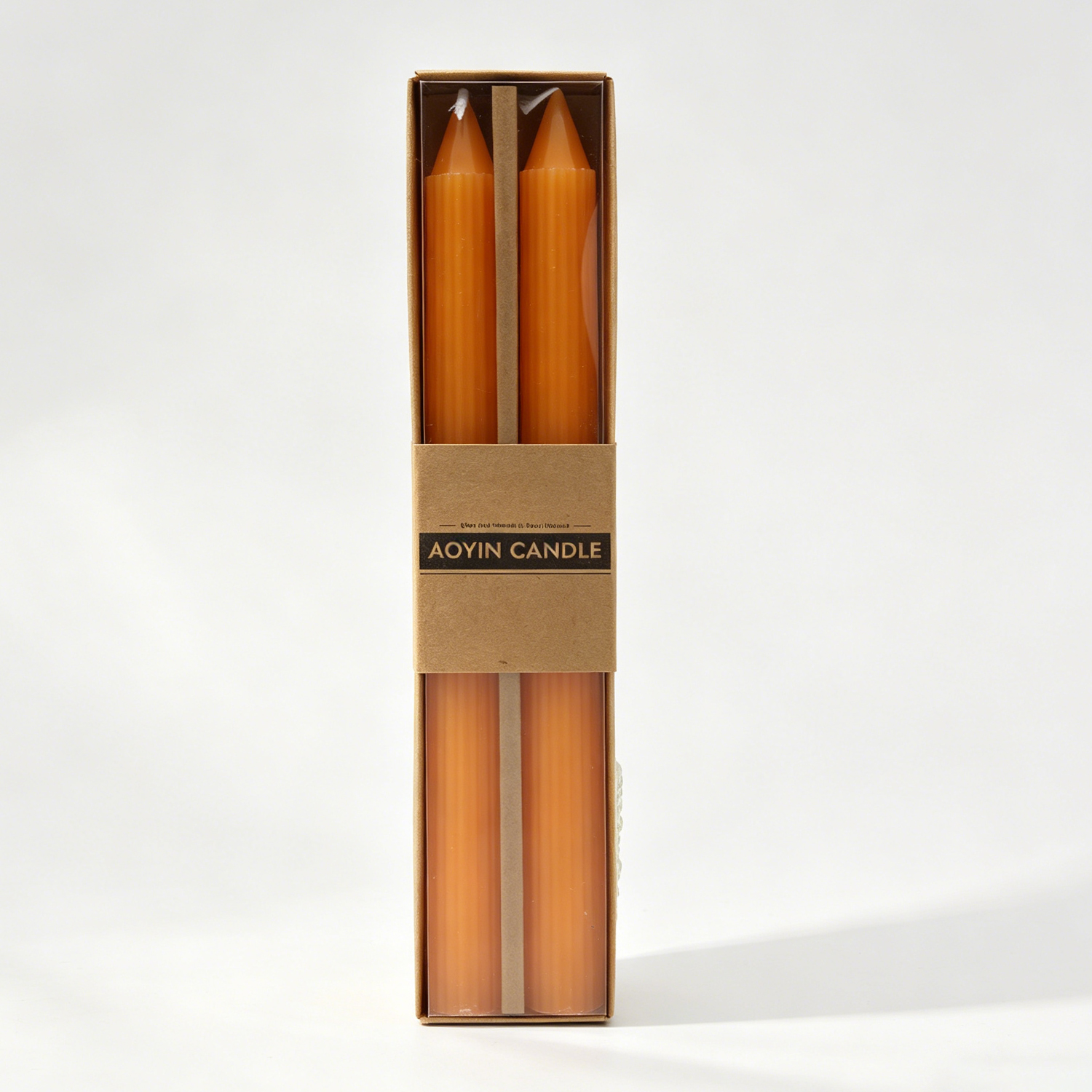
Packaging also changes perception. A warm amber scent in a plain box may feel simple, while the same scent in a carefully designed package may feel more premium. For aromatic candles, the box, label, lid, vessel, and scent name should create one coherent impression. B2B brands should therefore treat packaging as part of fragrance storytelling rather than as a separate decoration stage.
A reliable production partner should be able to connect creative fragrance ideas with repeatable manufacturing standards. The discussion should include sample evaluation, cold scent and hot scent testing, fragrance stability, wax compatibility, wick matching, packaging protection, and export requirements. These details may sound technical, but they directly shape what customers feel when they open, light, and remember the product.
Aoyin Xingtang Candle can be naturally considered in this context as a partner supporting fragrance selection, wax matching, packaging customization, logo application, and export-ready production for international B2B projects. The key for brand owners is to arrive with a clear concept rather than only a request for a popular scent. When the target customer, usage setting, visual tone, and fragrance direction are defined, sampling becomes more efficient and the final range becomes easier to control.
For B2B brands planning a new fragrance line, the next step is to turn abstract mood words into a practical development brief and begin a focused discussion around aromatic candles.
 Hot News
Aoyin Xingtang Candle Co., Ltd., founded in January 2014, is situated Hebei Province. it features 5 production lines and over 400 machines, specializing in scented candles, tea lights, jar candles, pillar candles, and more.
Fengjiazuo Village West, Yuting Township, Shijiazhuang, Hebei, China
Copyright © Aoyin Xingtang Candle Co., Ltd. All Rights Reserved Privacy Policy
 EN
EN