Home > News > Industry News
A mini jar candle range for supermarkets should be priced, packed, and tested for fast shelf turnover, low breakage, and repeat purchase. This guide helps buyers compare small jar candles, plan wholesale mini candles, check candle packaging, and choose SKUs that work for seasonal aisles, checkout zones, and private label programs.
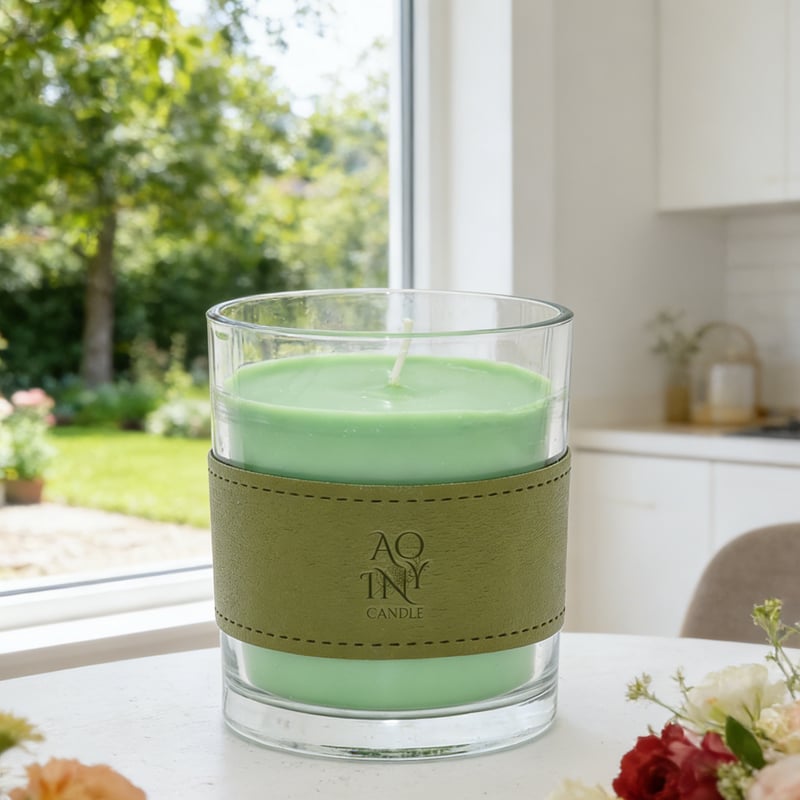
A mini jar candle for supermarkets should be selected by shelf role first, not by appearance alone. Supermarket candles must be easy to understand, quick to compare, and safe to stock in volume. Buyers should decide whether the product is meant for impulse purchase, seasonal gifting, private label testing, or home fragrance refill demand.
For checkout areas, the mini jar candle must feel affordable and giftable. For home décor aisles, the design should look more coordinated with other household products. For seasonal displays, color, scent name, and box artwork should immediately match the buying occasion.
|
Supermarket Scenario |
Better Product Choice |
Buying Priority |
|
Checkout impulse zone |
2oz–3oz candle |
Low price and simple label |
|
Seasonal aisle |
Holiday scent and color |
Fast visual recognition |
|
Home fragrance shelf |
3oz–4oz jar |
Repeat purchase potential |
|
Gift display |
Boxed small candle |
Better presentation |
|
Private label test |
3–5 core scents |
Lower launch risk |
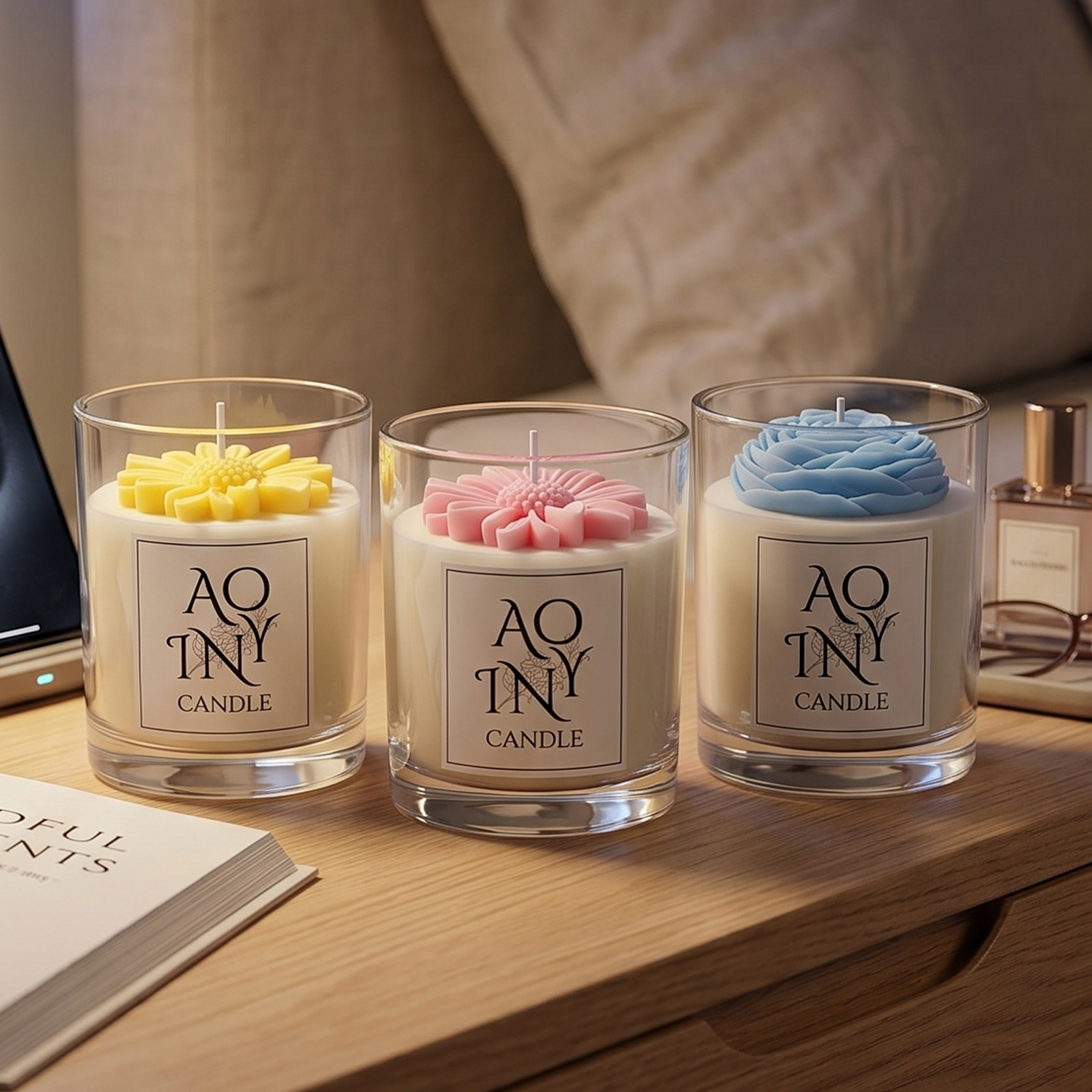
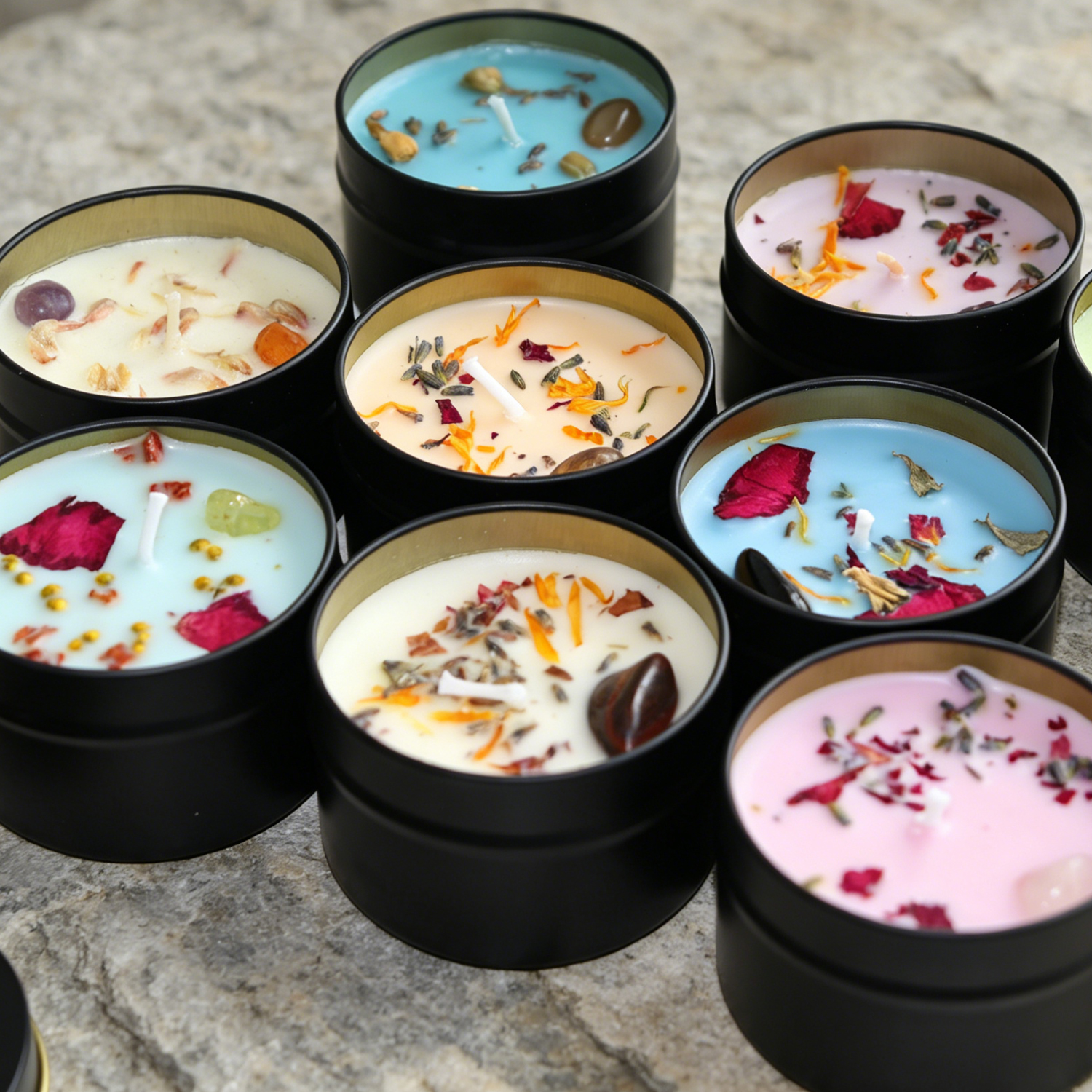
For supermarkets, mini soy candles can support a cleaner product story, while home fragrance candles are better positioned as everyday repeat items. If the candle is placed near wellness or bath products, aromatherapy candles with soft scent profiles may be easier to sell. For a multi-scent display, buyers can test scented jar candles in a compact tray before expanding the line.
A practical first order can include one jar size, three everyday scents, and one seasonal mini candle set. If the category performs well, a mini candle gift set can be added for holidays or promotional periods.
A mini jar candle can protect supermarket margin only when the full landed cost is calculated. Small size does not always mean low cost, because labels, lids, jars, filling labor, cartons, and shelf-ready packaging still carry fixed expenses.
Supermarket buyers should avoid judging only by factory unit price. A cheaper candle may become more expensive after breakage, weak scent, crushed boxes, or poor sell-through. The real decision should include retail price, gross margin, carton quantity, pallet efficiency, shelf space, and reorder speed.
Use this simple buying sequence before confirming quantity:
Candle jars are a key cost driver. Glass jars may be cost-efficient and familiar to shoppers, but they require strong inner packing. Tin containers can reduce breakage, but may look less premium. Ceramic vessels are attractive but usually better for higher-price channels than mass supermarket displays.
For bulk mini candles, SKU control is essential. If each scent, label, and box has a separate minimum order, too many variations can quickly create inventory pressure. A focused range gives the category manager cleaner data and helps suppliers keep production stable.
The mini jar candle format needs packaging that sells quickly from the shelf and survives supermarket logistics. Packaging should not only look attractive; it must also support scanning, stacking, shelf replenishment, and customer handling.
Small products face a common problem: there is limited space for branding and safety information. Candle labels should keep the front simple, with brand name, scent name, and one clear visual cue. Warning information, net weight, and barcode can be placed on the bottom label or outer box if the jar surface is too small.
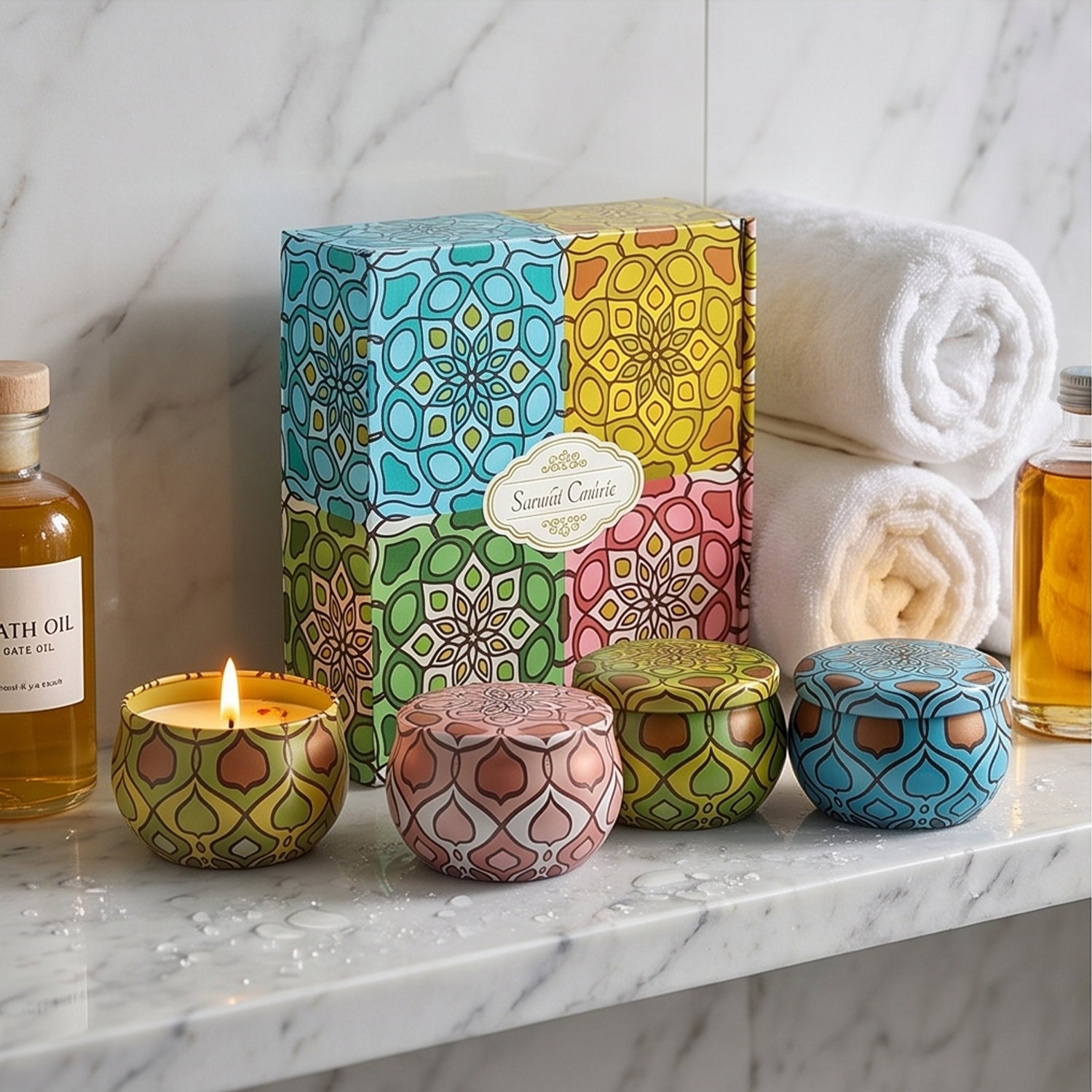
For boxed items, gift candle boxes help increase perceived value, especially in holiday sections. However, supermarket packaging must remain practical. Oversized boxes may look premium but waste shelf space and increase freight cost. Weak boxes may collapse when stacked or handled by shoppers.
Mini candle jars should be checked for lid fit, label adhesion, glass thickness, and base stability. If a jar feels unstable or the lid becomes loose during transport, it can create complaints at store level. For chain supermarkets, even a small defect rate becomes expensive when multiplied across many locations.
Good candle packaging for supermarkets usually has three features: clear shelf identity, strong inner protection, and easy carton handling. If the product is designed for promotional bins, extra protection is even more important because shoppers may move and stack items repeatedly.
Every mini jar candle should pass burn, scent, and packaging tests before a supermarket buyer approves mass production. Small candles are often used as entry-level products, but poor performance can damage both retailer trust and brand reputation.
Start with candle wax compatibility. The wax should hold fragrance well, show a clean surface, and burn evenly in a small jar. Then review candle fragrance performance in realistic use conditions. Do not only smell the unlit candle. Test cold scent on the shelf and hot throw after burning in a small room.
Wick matching is critical because small jars have less margin for error. Candle wicks that are too small may cause tunneling and wasted wax. Wicks that are too large may create high flame, smoke, or excessive container heat. For supermarket products, stable and predictable performance is more important than a dramatic flame.
Buyers should request a final-format sample, not just a fragrance sample. The sample should include the real wax, scent, jar, wick, lid, label, box, and carton method. During review, check flame height, smoke, melt pool, jar temperature, wax residue, label alignment, box strength, barcode scan, and carton packing.
Aoyin Xingtang Candle can support supermarket buyers with scent matching, small jar options, private label artwork, packaging coordination, and stable bulk production. This is useful when buyers need a practical balance between shelf appeal, cost control, and repeat-order consistency.
For supermarket sourcing, custom mini candles should come from a supplier that understands volume production and retail requirements. A good supplier should provide realistic MOQ, stable formulas, sample testing support, packaging suggestions, and clear reorder timelines.
For private label mini candles, buyers should prepare a clear brief before asking for pricing: target retail price, jar size, scent direction, label style, packaging format, carton quantity, barcode needs, and launch date. This helps the supplier recommend a production-ready solution instead of giving a vague quotation.
Before confirming cooperation, ask whether the supplier can handle supermarket packing rules, mixed scent cartons, seasonal artwork, and repeat replenishment. A supplier that can only make attractive samples may not be enough for a chain retail program.
Start your mini jar candle project with a focused SKU plan, tested scent performance, and packaging that fits real supermarket handling. If you are developing seasonal ranges, impulse items, or private label shelf programs, Aoyin Xingtang Candle can help turn the brief into reliable production. Contact the team to discuss jar size, scent direction, packaging format, and order planning for your next retail launch.
 Hot News
Aoyin Xingtang Candle Co., Ltd., founded in January 2014, is situated Hebei Province. it features 5 production lines and over 400 machines, specializing in scented candles, tea lights, jar candles, pillar candles, and more.
Fengjiazuo Village West, Yuting Township, Shijiazhuang, Hebei, China
Copyright © Aoyin Xingtang Candle Co., Ltd. All Rights Reserved Privacy Policy
 EN
EN