Home > News > Industry News
Home fragrance has evolved from simple room scenting into a wider lifestyle category shaped by interiors, gifting, wellness language, and daily rituals. Earlier candle products were often judged by appearance, burn time, and seasonal decoration, while modern fragrance brands now build collections around mood, material identity, and sensory storytelling. Retail shelves, spa spaces, boutique hotels, and online lifestyle imagery have also changed how consumers read scent products before they use them. A candle is no longer only a flame in a container; it is part of a visual and emotional setting. Within this broader development, home fragrance candles have become a bridge between design, scent, and personal routine, while Soy Wax Essential Oil Candles and natural fragrance candles belong to a more specific conversation about material meaning and nature-inspired fragrance language.
Soy Wax Essential Oil Candles are best understood as a product concept that combines plant-based wax positioning with essential-oil-inspired scent storytelling. For home fragrance brands, the phrase suggests softness, simplicity, and a connection with natural living, but it should not be treated as a medical or therapeutic claim. The strongest concept is usually built around atmosphere, not cure.
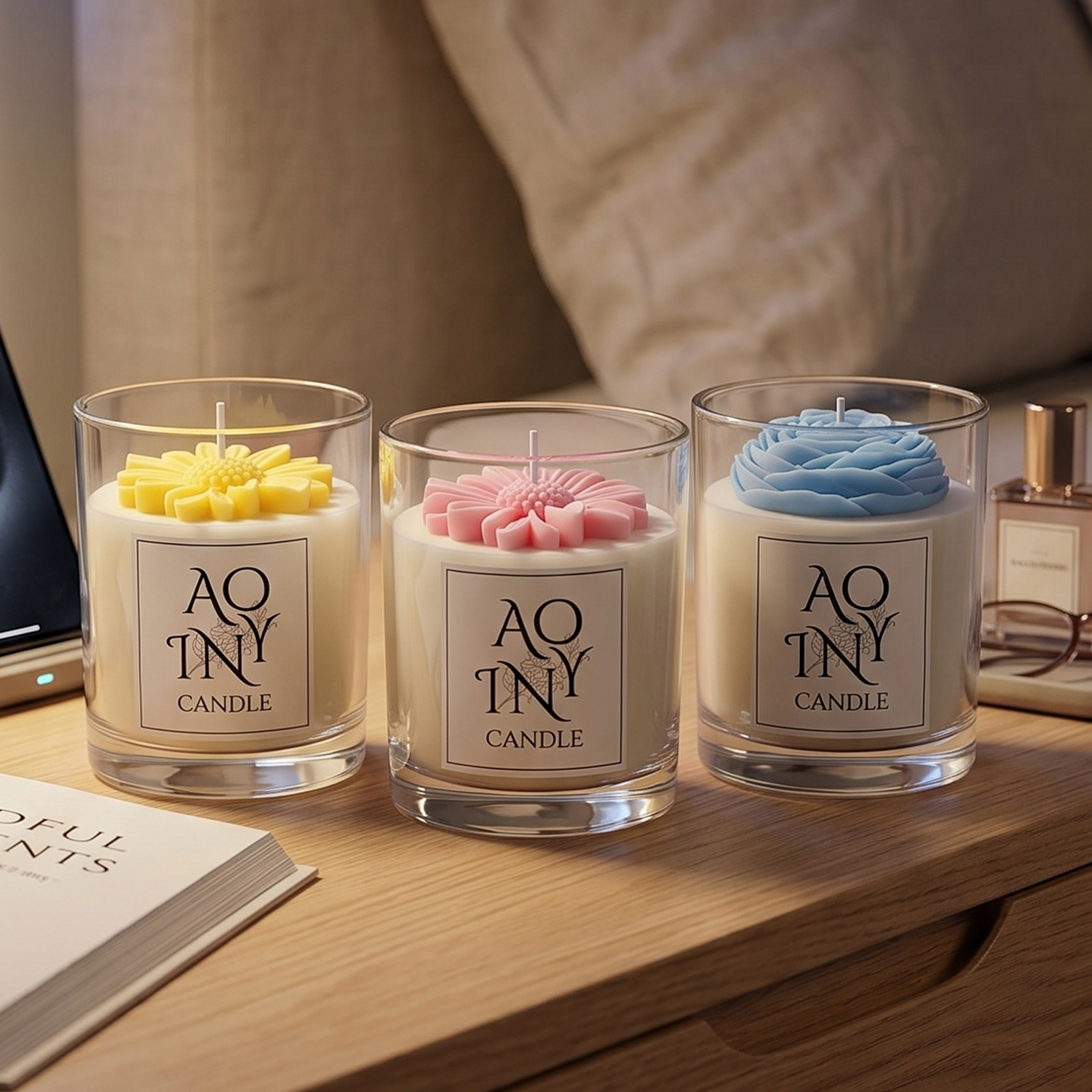
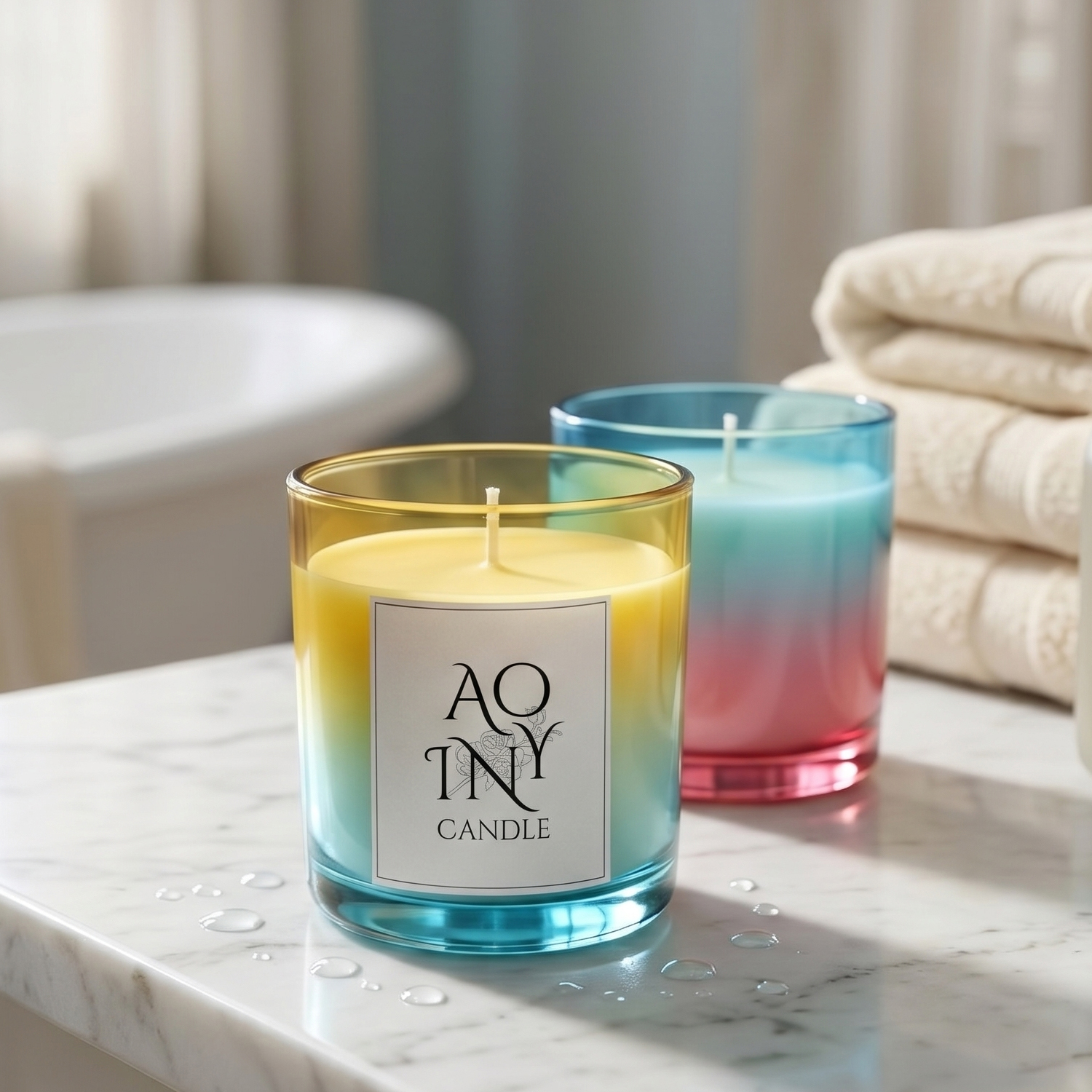
In a brand collection, home fragrance candles often need to express more than scent strength. They need to show a coherent identity through wax texture, vessel style, fragrance name, label tone, and packaging mood. Natural candles can support a calmer visual world, while aromatherapy candles may suggest relaxation-oriented routines when the wording remains responsible. Wellness candles and spa candles can also fit this direction when the brand focuses on setting, ritual, and sensory comfort rather than exaggerated health promises.
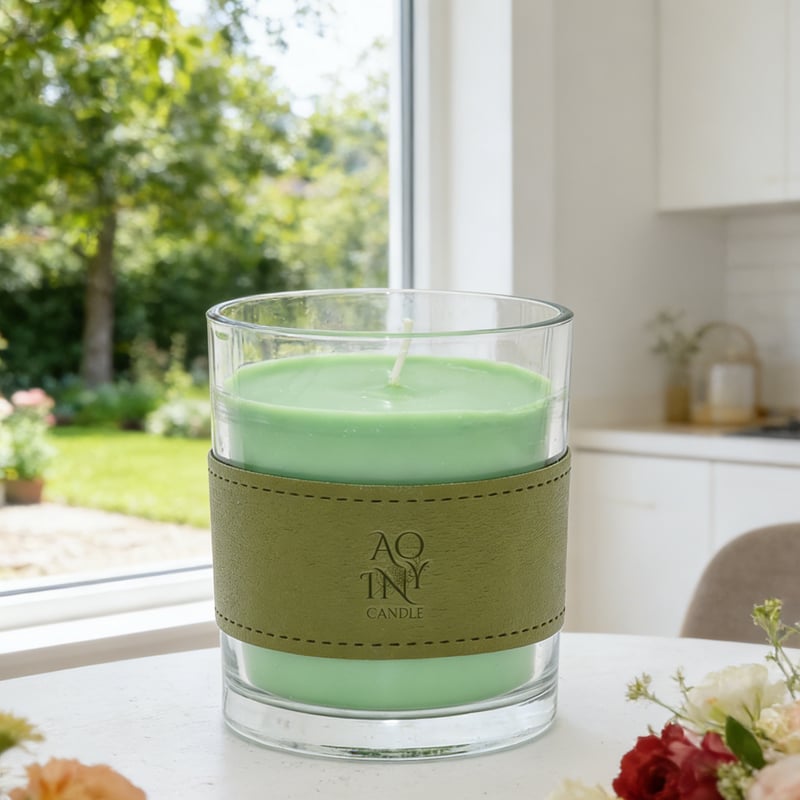
Soy Wax Candles are widely used in home fragrance because soy wax carries a recognizable plant-based association. This material language is important for brands that want to present a softer, more natural product image. The appeal does not come only from the wax itself, but from the way soy wax works with minimalist packaging, gentle colors, and fragrance concepts inspired by herbs, flowers, woods, and citrus.
Soy wax candles also have a particular visual character. Their surface can look creamy, matte, and understated, which fits many modern lifestyle collections. At the same time, clean burning candles should not be described as automatically perfect simply because they use soy wax. The final result depends on wax quality, wick matching, fragrance load, vessel size, and burn testing. In professional development, soy wax candles are part of a complete formula system, while clean burning candles require balanced design rather than material names alone.
Scented Soy Candles allow brands to connect fragrance with material identity. A lavender direction may suggest quiet evenings, eucalyptus may suit fresh spa-like spaces, citrus may feel bright and clean, and cedarwood may create a more grounded atmosphere. These scent ideas can support Soy Wax Essential Oil Candles when they are presented as mood-based products rather than functional remedies.
The word essential oil also needs careful handling. In real product development, scented soy candles may use pure essential oils, essential-oil blends, natural aromatic ingredients, or fragrance systems inspired by botanical materials. Each approach has different cost, stability, and scent performance implications. Aromatherapy candles may sound attractive to consumers, but home fragrance brands should avoid language that implies treatment of anxiety, insomnia, headaches, or medical symptoms. A more suitable approach is to describe a relaxing atmosphere, nature-inspired scent, or daily self-care setting. This allows scented soy candles and natural candles to remain appealing without creating unrealistic expectations.
Clean Burning Candles are often associated with a more comfortable indoor experience, but the concept should be explained through combustion behavior rather than broad claims. A candle can produce smoke or soot if the wick is too long, the flame is unstable, the fragrance load is unsuitable, or the container design affects airflow. For home fragrance brands, this means product quality is experienced through repeated use, not only through first impressions.
Consumers may buy wellness candles for a bedside routine, bathroom shelf, reading corner, or quiet evening ritual. They may choose spa candles for a treatment room or relaxation display, and gift candles for birthdays, holidays, housewarming, or seasonal retail. In all these situations, scent, flame, vessel, and instructions work together. A beautiful candle that burns unevenly or produces visible soot can weaken the brand story. For this reason, product experience should be connected with testing, usage guidance, and realistic communication.
Private Label Candles give home fragrance brands the chance to turn a broad natural-scent idea into a recognizable product line. The development should begin with the brand’s sensory world rather than only a popular fragrance list. A collection may be built around morning freshness, evening calm, botanical gardens, warm woods, or soft spa rituals. When the theme is clear, private label candles become easier to name, package, and display.
Gift candles benefit especially from this type of storytelling because buyers often respond to the complete presentation. A Soy Wax Essential Oil Candles range can feel more coherent when the vessel color, fragrance name, outer box, and label language all support the same emotional direction. Home fragrance candles are often purchased through imagination; customers picture where the item will sit and how it will feel in the room. This makes retail storytelling central to product development.
OEM Candles, Wholesale Candles, and Candle Manufacturer alignment matter because the concept must survive sampling, production, packing, and repeat orders. A formula that works in one small sample may need adjustment when fragrance load, vessel size, wick type, or packaging format changes. For brands, the supplier discussion should connect creative direction with production control.
Aoyin Xingtang Candle can be naturally considered in this context as a production partner supporting wax selection, fragrance matching, packaging customization, logo application, and export-ready coordination for international projects. The important point is not to overcomplicate the story, but to make sure material, fragrance, packaging, and manufacturing behavior support the same product idea.
Soy Wax Essential Oil Candles should be developed with clear conceptual boundaries. They can express a natural, soft, and wellness-inspired lifestyle direction, but they should not be positioned as medical products. This distinction helps brands build trust while still using fragrance to create emotional atmosphere.
For a home fragrance brand, the next step is to define the intended retail scene, fragrance direction, claim language, packaging style, and testing expectations before moving into sampling. A focused product brief helps turn a general natural candle idea into a consistent collection, and it gives suppliers a clearer basis for discussion. Brands planning a new line can begin with mood, material identity, and responsible scent storytelling, then develop samples around Soy Wax Essential Oil Candles.
 Hot News
Aoyin Xingtang Candle Co., Ltd., founded in January 2014, is situated Hebei Province. it features 5 production lines and over 400 machines, specializing in scented candles, tea lights, jar candles, pillar candles, and more.
Fengjiazuo Village West, Yuting Township, Shijiazhuang, Hebei, China
Copyright © Aoyin Xingtang Candle Co., Ltd. All Rights Reserved Privacy Policy
 EN
EN