Home > News > Industry News
Your Private Label Candle plan should define price, scent, vessel, label, packaging, MOQ, and quality checks before production. This guide helps private label brands develop private label scented candles, compare custom candles, and control candle packaging risks without overbuilding SKUs.
A Private Label Candle line should start with a narrow, sellable range instead of a large, untested collection. For new private label brands, the first decision is not “which design looks best,” but “which product can sell repeatedly, protect margin, and be reordered easily.”
Start with your target customer and selling channel. A boutique home brand may need refined scents, premium vessels, and strong shelf appeal. An e-commerce brand should prioritize product photos, shipping protection, and review risk. A gift-focused brand needs presentation, seasonal themes, and a clear price ladder.
|
Brand Goal |
Better Product Direction |
Practical Buying Focus |
|
Premium lifestyle line |
luxury candles with refined vessels |
Strong visual identity and scent depth |
|
Clean living brand |
natural candles with simple claims |
Accurate material positioning |
|
Wellness or spa range |
aromatherapy candles with soft profiles |
Calm scent and stable burn |
|
Gift collection |
Boxed candles in sets |
Unboxing and perceived value |
|
E-commerce launch |
One jar, several scents |
Lower SKU and packaging risk |
For a first launch, avoid too many scents, sizes, and container styles. A practical starting range is one vessel, three core scents, and one gift-ready option. This keeps photography, sampling, inventory, and reorder management easier.
Private Label Candle product choices should match your brand position, target price, and repeat-purchase strategy. Every material decision affects cost, fragrance performance, shelf appeal, and customer experience.
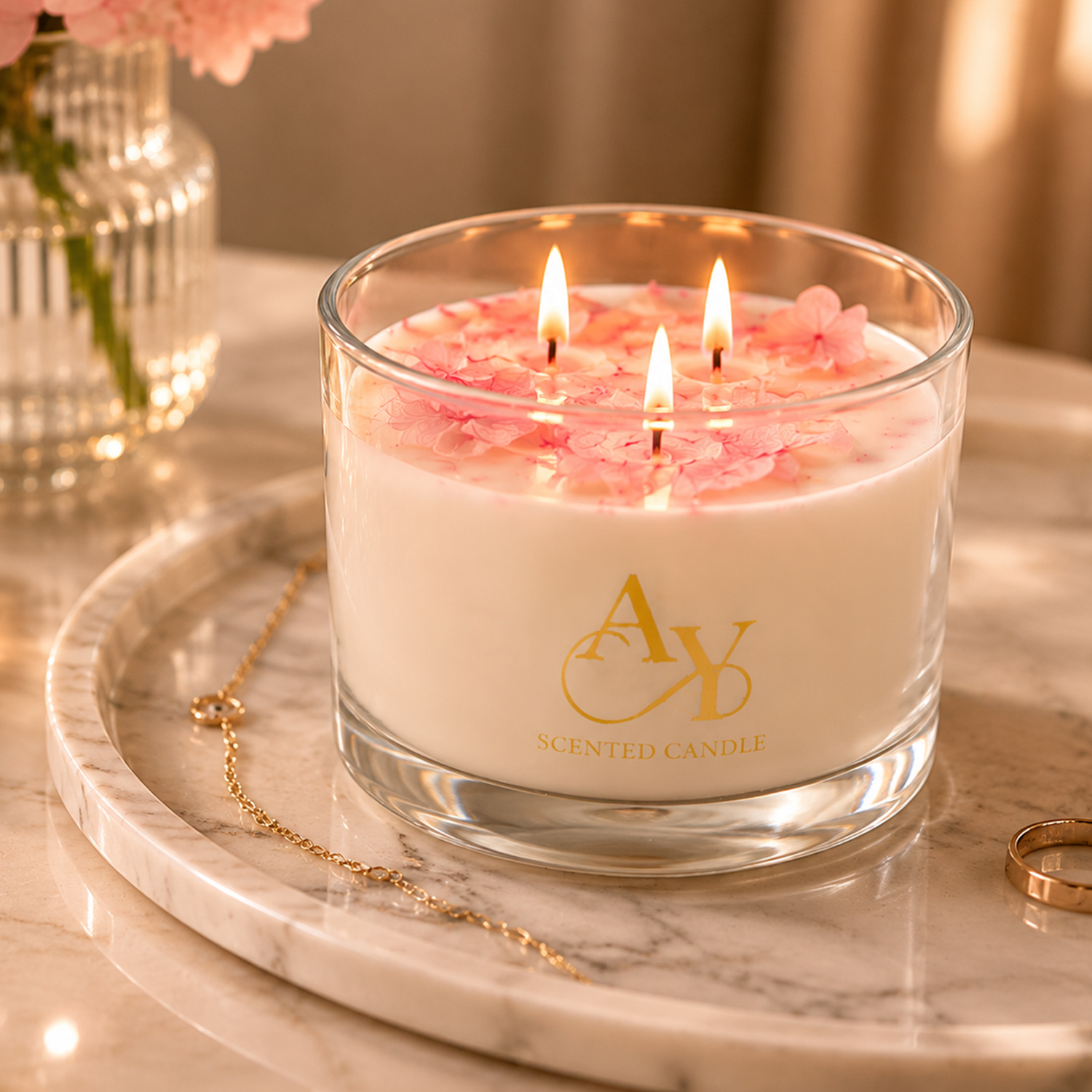
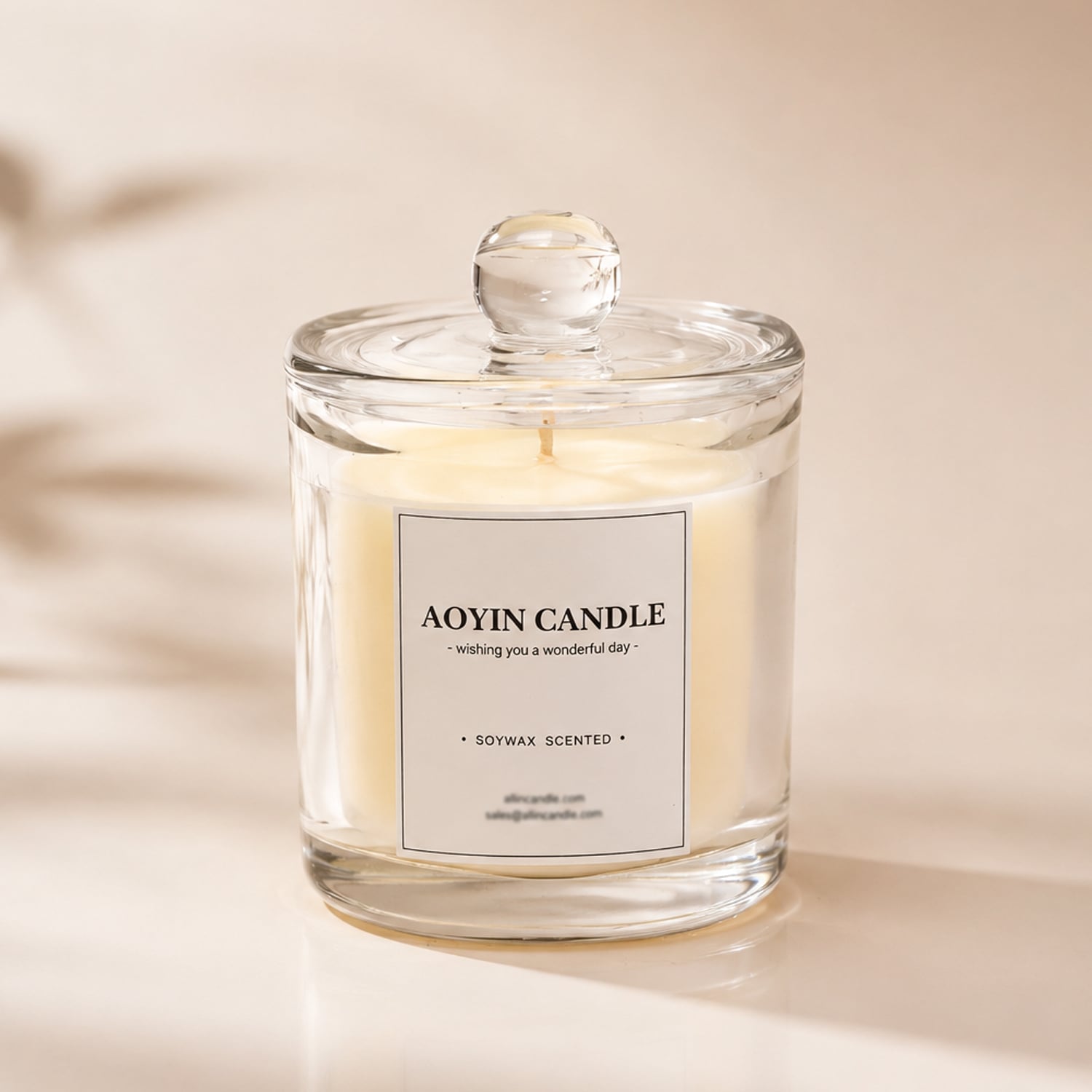
If your brand focuses on a soft lifestyle image, soy wax candles are often a good option because they support a natural and clean visual story. However, wax should not be selected only by trend. The right formula depends on vessel size, fragrance load, surface finish, and burn performance.
Candle fragrance is the strongest driver of customer memory. For a first private label collection, choose scents with broad market acceptance: vanilla, lavender, sandalwood, citrus, amber, white tea, or jasmine. Highly unusual scents can help differentiation, but they are riskier for bulk production and inventory turnover.
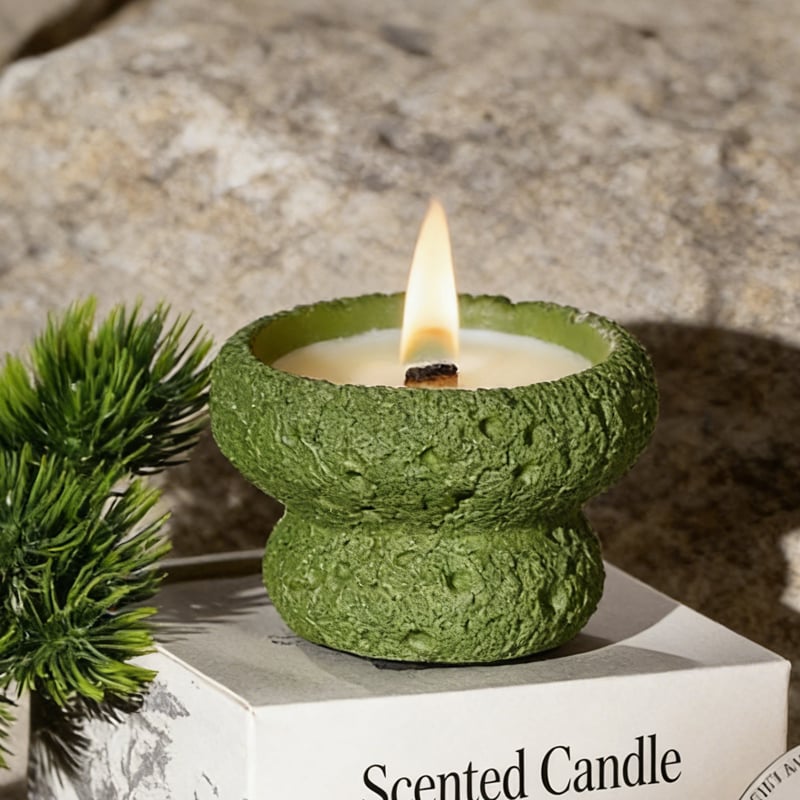
Container choice matters as much as scent. Glass candle jars are widely used because they are cost-effective, retail-friendly, and easy to customize. Ceramic candle jars feel more premium and decorative, but they are heavier, costlier, and require stronger protection during transport.
Before confirming product details, follow this development sequence:
1. Set your target retail price and expected margin.
2. Select one main vessel family for the first launch.
3. Choose three to five scents with clear customer logic.
4. Match wax, wick, and fragrance through burn testing.
5. Confirm label size, warning text, barcode, and scent name.
6. Review the box, insert, carton, and shipping method.
7. Approve a final sample before mass production.
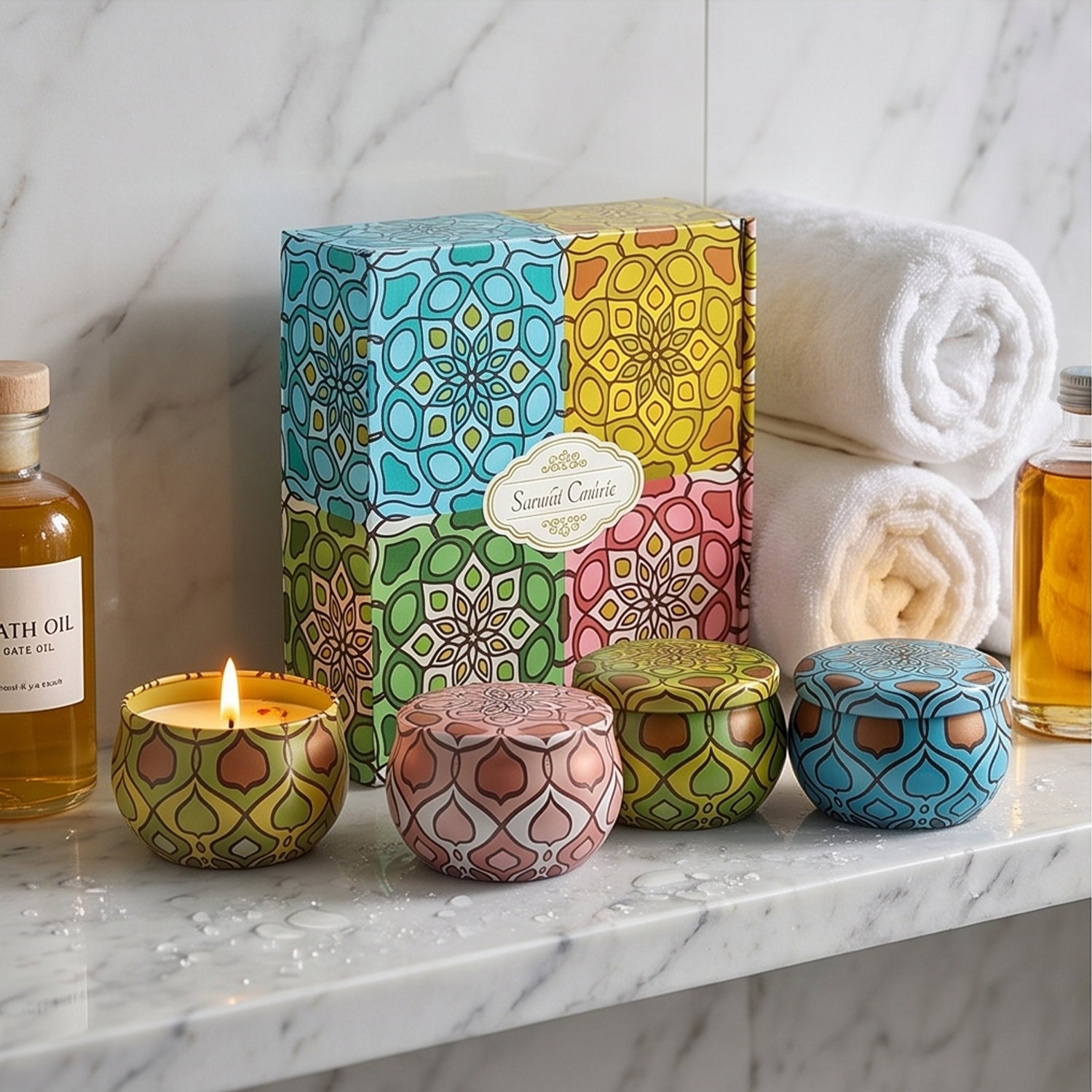
For gift-oriented brands, gift candle boxes can raise perceived value and support higher pricing. But packaging must be tested for compression, vibration, and warehouse handling, not only judged by appearance.
Private Label Candle profitability depends on total landed cost, not only factory unit price. Many new brands lose margin because they underestimate packaging, freight, sampling, storage, damage, and slow-moving inventory.
MOQ is usually affected by scent, vessel, label, box, and accessories. If each scent requires a separate minimum order, launching eight scents at once can quickly create stock pressure. A safer approach is to launch a focused collection, collect sales data, and expand only after you know which products move fastest.
|
Cost Area |
Decision to Make |
Risk If Ignored |
|
Scent count |
Start with fewer core scents |
Cash tied in slow stock |
|
Vessel style |
Use one shared container |
Higher sourcing complexity |
|
Box design |
Standardize structure |
Extra printing and storage cost |
|
Order quantity |
Match sales forecast |
Overstock or stockout |
|
Freight |
Check weight and carton size |
Margin erosion |
|
Reorder plan |
Confirm lead time early |
Missed selling season |
For brands selling wholesale candles, the product must leave enough margin for distributors and retailers. For OEM candles, prepare a clear specification sheet before quotation. For ODM candles, ask what existing molds, vessels, and formulas can be adapted quickly to reduce cost and development time.
A useful rule is to separate “core products” from “campaign products.” Core products should be reorderable all year. Campaign products can be seasonal, but their quantity should be controlled carefully.
A Private Label Candle project should not move into bulk production until the final sample has been tested as a complete, shelf-ready product. For private label brands, sampling is not only about approving the scent; it is also about confirming whether the candle can be produced, packed, shipped, and sold consistently.
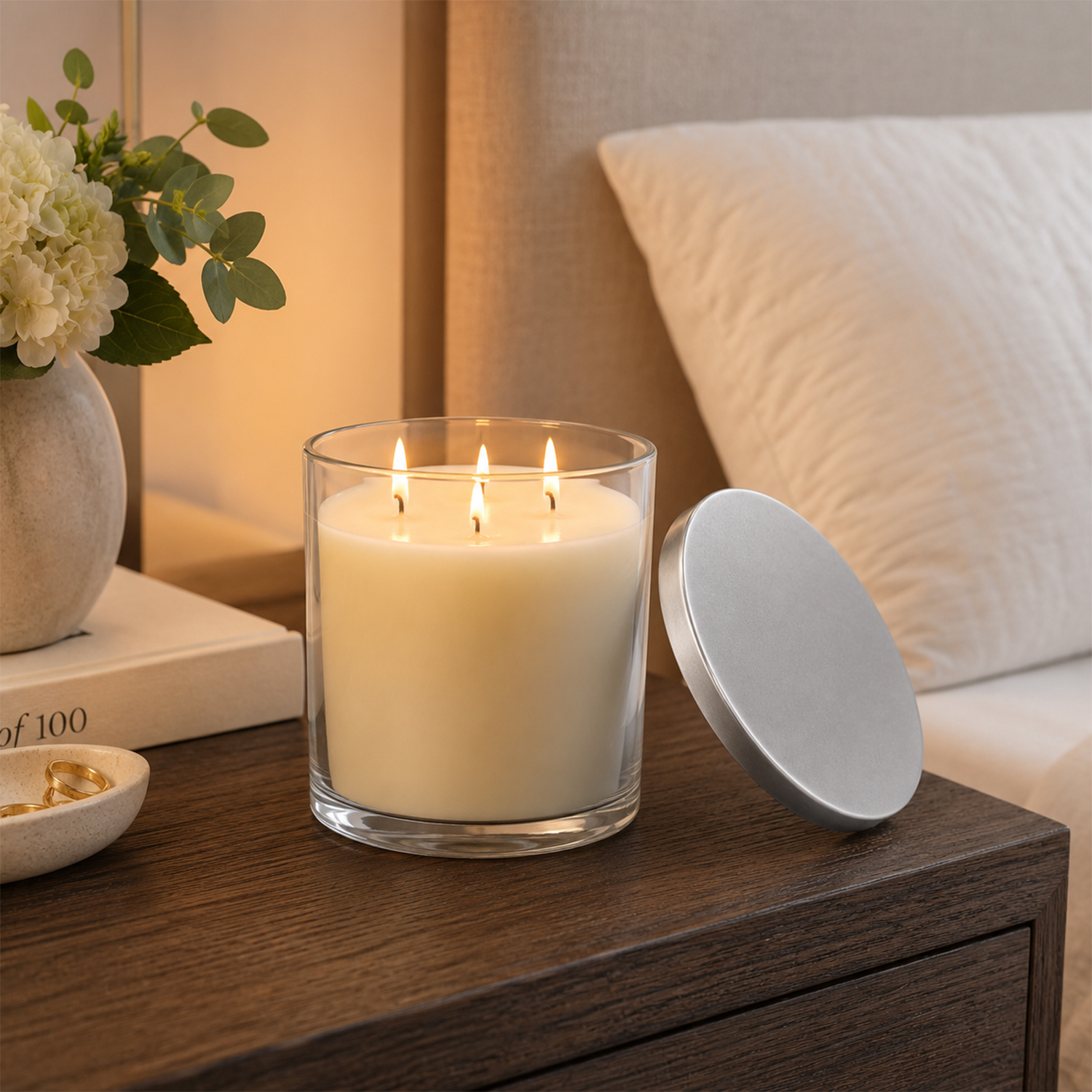
Ask for a sample with the final wax, fragrance, vessel, wick, label, lid, box, and carton method. Test the cold scent before lighting and the room scent after burning. During the burn test, review flame height, smoke, wax pool, tunneling, container heat, surface finish, and label alignment.
Quality control should include both product performance and presentation. A candle may burn well but still fail retail expectations if the label is crooked, the box is weak, or the surface has visible defects. For e-commerce sales, drop protection and outer carton strength are especially important because poor delivery condition can lead to refunds, negative reviews, and lower repeat purchases.
Aoyin Xingtang Candle supports private label brands with scent matching, vessel sourcing, label customization, box coordination, and stable bulk production. This helps buyers reduce trial-and-error during sampling and keep approved details consistent in repeat orders.
Before confirming your next Private Label Candle order, prepare a clear brief covering target market, price range, fragrance direction, packaging needs, order quantity, and delivery schedule. If you are developing private label scented candles, improving candle packaging, or comparing custom candles for a new launch, Aoyin Xingtang Candle can help turn your concept into a production-ready candle line.
 Hot News
Aoyin Xingtang Candle Co., Ltd., founded in January 2014, is situated Hebei Province. it features 5 production lines and over 400 machines, specializing in scented candles, tea lights, jar candles, pillar candles, and more.
Fengjiazuo Village West, Yuting Township, Shijiazhuang, Hebei, China
Copyright © Aoyin Xingtang Candle Co., Ltd. All Rights Reserved Privacy Policy
 EN
EN