Home > News > Industry News
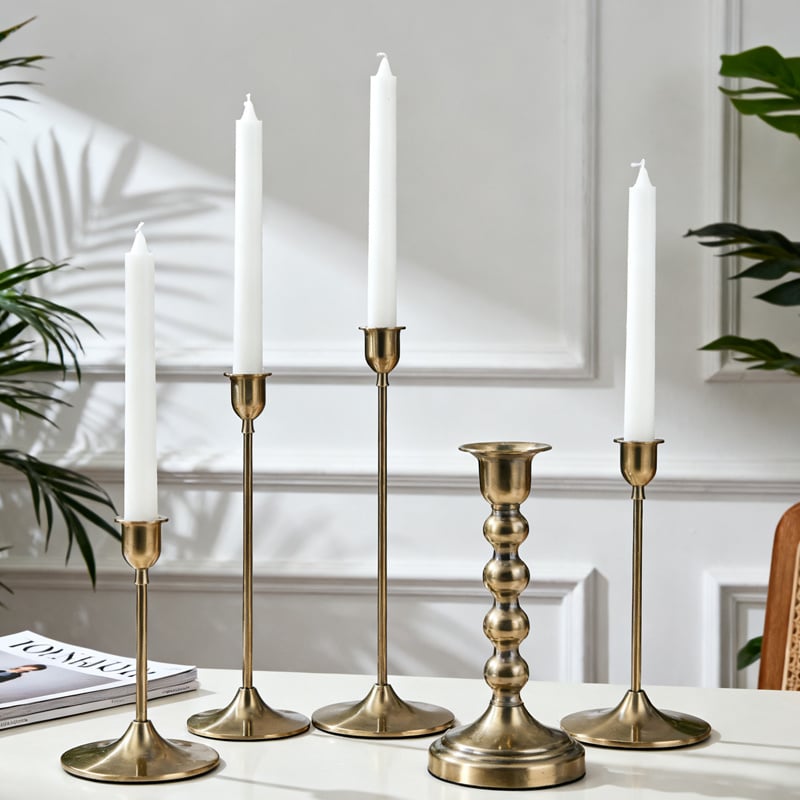
Before the widespread use of electric lights, human nights were long shrouded in darkness. Amidst this boundless night, there was a faint yet steadfast light - the candle, with its flickering flame, not only illuminated pages, altars, and dining tables, but also subtly contributed to shaping the spiritual landscape of religion, art, science, and even daily life. From the beeswax lamps of ancient Egypt to the handwritten scriptures of medieval monasteries, from the philosophical salons of the Enlightenment era to the spiritual rituals of modern healing spaces, candles, though small, are a gentle witness that cannot be ignored in the process of human civilization.
I. The Light of Ancient Times: The Origin and Early Use of Candles
The history of candles can be traced back to five thousand years ago. The ancient Egyptians made simple "torches" by dipping reeds into melted animal fat. The ancient Romans used hemp ropes as wicks and wrapped them in tallow to make primitive candles. However, the true sense of candles - with a solid wax-wrapped wick - first appeared in the Han Dynasty of China and ancient India, using beeswax or insect wax (such as the secretion of the white wax scale insect).
In the era before the advent of electricity, fire was humanity's sole weapon against the darkness of night. Candles, due to their portability, stability, and relative cleanliness, gradually replaced oil lamps and became an essential tool for indoor lighting. Especially in cold and damp Europe, candles became an exclusive luxury for the nobility and the church - as beeswax was expensive, ordinary people could only use animal fat candles, which emitted a strong smoke and a heavy odor.
II. Sacred Flame: The Symbolism of Candles in Religion and Rituals
In almost all major religions, candles carry profound symbolic meanings. In Christianity, candles represent the light of Christ, dispelling sin and ignorance. The "Easter candle" lit during the Easter vigil symbolizes Jesus' victory over death; the ever-burning altar candles in churches express eternal worship of God. In Buddhism, the offering of lamps symbolizes "breaking ignorance with wisdom." The Avatamsaka Sutra states, "Just as a single lamp enters a dark room, it can dispel darkness for thousands of years." In Judaism, the Sabbath candle and the nine-branch candlestick for Hanukkah both commemorate miracles and freedom with light. In the Hindu "Arati" ceremony, believers hold candles and circle around the statue of God, expressing devotion and dedication.
The process of candle burning, which involves self-consumption to illuminate others, has been endowed with ethical implications of sacrifice, dedication, and hope, becoming a universal metaphor across cultures.
III. The Light of Enlightenment: Candles and the Rise of Knowledge and Rationality
In Europe during the 17th and 18th centuries, the "Age of Enlightenment" was named after "illuminating ignorance with the light of reason." In reality, it was countless candles that accompanied Voltaire, Rousseau, and Diderot as they wrote furiously in the dead of night, compiling the Encyclopedia and spreading scientific and liberal ideas.
The monks in the monastery copied ancient books by candlelight, preserving the seeds of classical civilization; in university libraries, students sat around candles to study diligently; scientists such as Newton and Franklin pondered the laws of the universe in the flickering candlelight. It can be said that without the stable light source provided by candles, the accumulation and dissemination of knowledge would be difficult.
Even "candlelight" itself has become a unit for measuring luminous flux, known as the "candela", which derives from the Latin word "candela" (candle), highlighting its significance in the history of human measurement.
IV. The warmth of life: from practical lighting to emotional carrier
With the industrial production of paraffin in the 19th century and the widespread adoption of electricity in the 20th century, candles gradually withdrew from the mainstream lighting scene. However, they did not disappear; instead, they underwent a magnificent transformation from being a "tool" to becoming an "emotional symbol".
On a power-cut night, a candle brings a sense of security; on a birthday cake, it carries blessings and wishes; in a memorial ceremony, a candlelight vigil expresses grief and unity; in a romantic dinner for couples, it creates a romantic atmosphere. Modern people light candles not only to dispel darkness, but also for "dim sum" - to ignite inner peace, focus, or warmth.
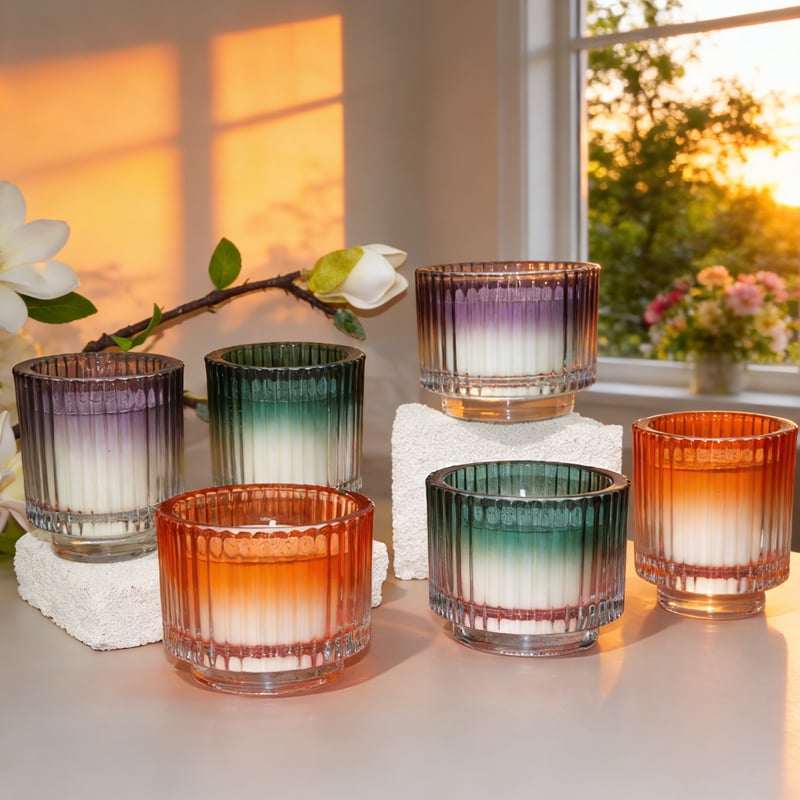
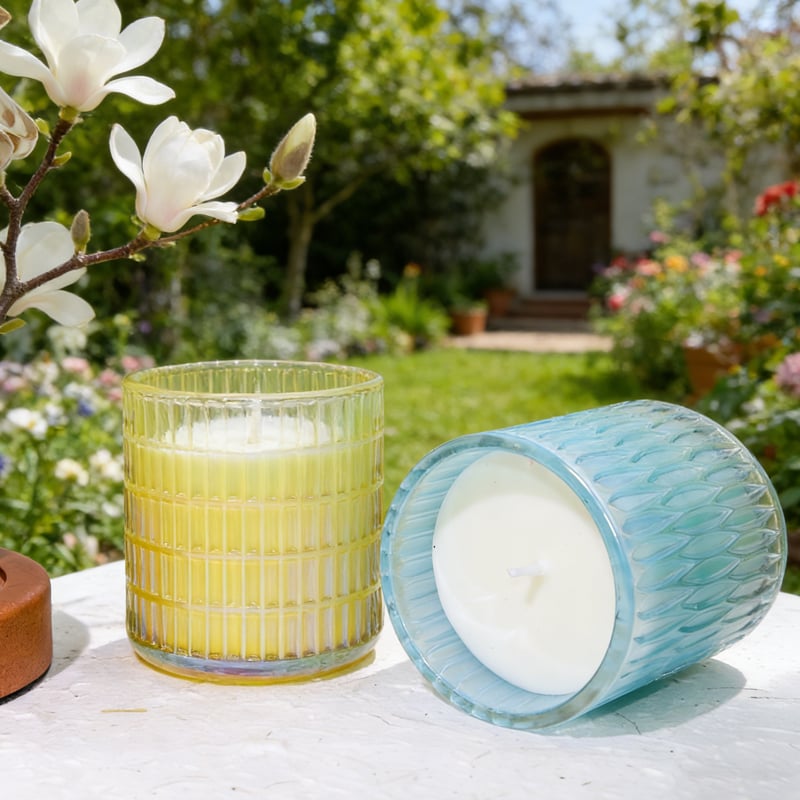
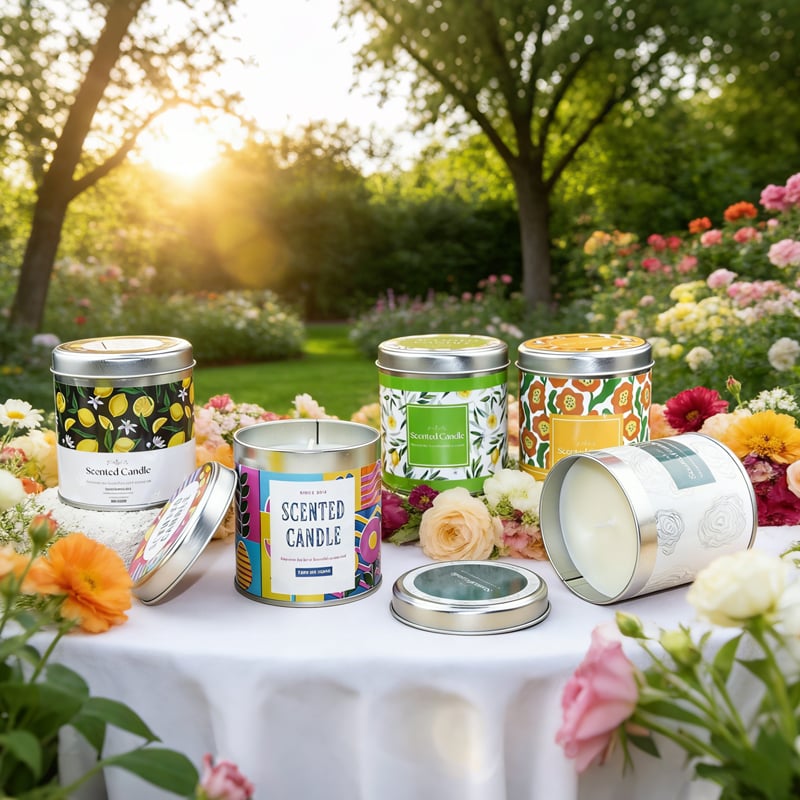
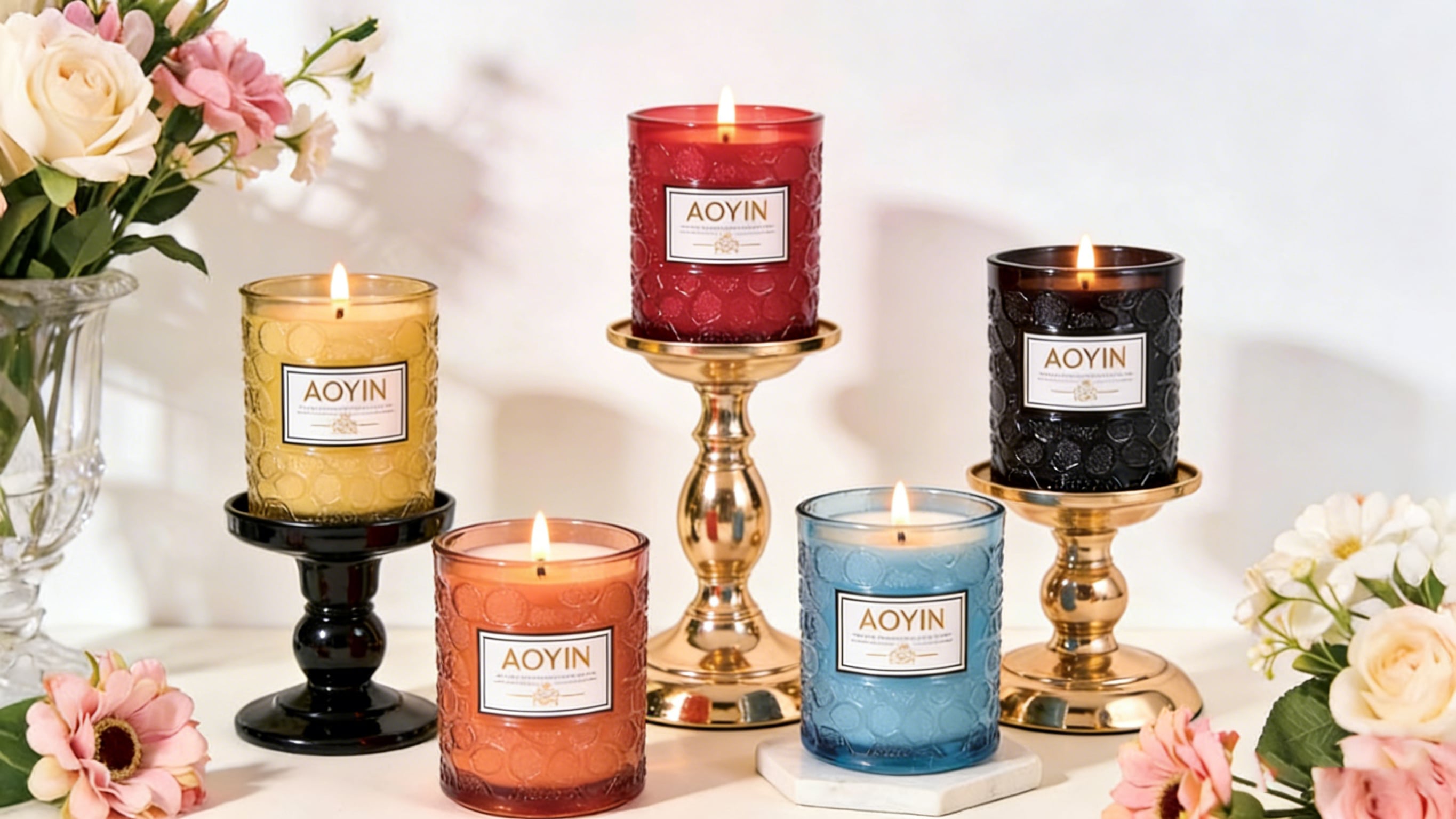
The rise of scented candles, handmade candles, and artistic candles has further integrated this ancient item into aesthetics and healing culture, becoming a symbol of slow living and self-care.
V. The Ever-Fading Glimmer: The Contemporary Significance of Candles
Today, billions of candles are consumed globally each year. Despite having efficient lighting technologies such as LEDs and smart lights, humans still cannot abandon that flickering flame. Perhaps it is precisely because of the "imperfection" of candles - their transience, fragility, and need for care - that they are so real and touching.
In an era where digital floods sweep across everything, a single candle serves as a reminder: true light not only illuminates space but also enlightens the human heart. It is not glaring or noisy, yet it is enough to make people pause, stare, ponder, and feel existence.
Conclusion
From caves to churches, from laboratories to bedrooms, candles have always accompanied humans through the long, dark nights in their most humble form. They are not the brightest light, but they are the warmest. As the poet Rilke wrote, "Be patient with all that remains unsolved in your heart, and try to love the questions themselves." And candles are precisely the gentle companions that silently accompany us in asking questions, thinking, and waiting for the dawn in the darkness.
Although the light is small, it is enough to illuminate civilization; although the warmth is gentle, it can eventually penetrate through thousands of years.
 Hot News
Aoyin Xingtang Candle Co., Ltd., founded in January 2014, is situated Hebei Province. it features 5 production lines and over 400 machines, specializing in scented candles, tea lights, jar candles, pillar candles, and more.
Fengjiazuo Village West, Yuting Township, Shijiazhuang, Hebei, China
Copyright © Aoyin Xingtang Candle Co., Ltd. All Rights Reserved Privacy Policy
 EN
EN