Home > News > Industry News
Across home décor retail, the role of small atmospheric products has changed gradually over many years. Earlier interiors used flowers, ceramics, textiles, lamps, and seasonal ornaments to give rooms a sense of warmth, while fragrance often remained in the background as incense, oils, or occasional decorative wax. As lifestyle retail became more visual and experience driven, shoppers began to read objects through mood, color, texture, and ritual rather than function alone. Gift displays, online storefronts, boutique shelves, and room-setting photography all encouraged products to work together as part of a scene. For retailers, this background makes assortment language more layered and slower to define. In this context, the scented candle set appears within the wider world of home fragrance candles and scented candles as a format shaped by atmosphere, presentation, and retail storytelling.
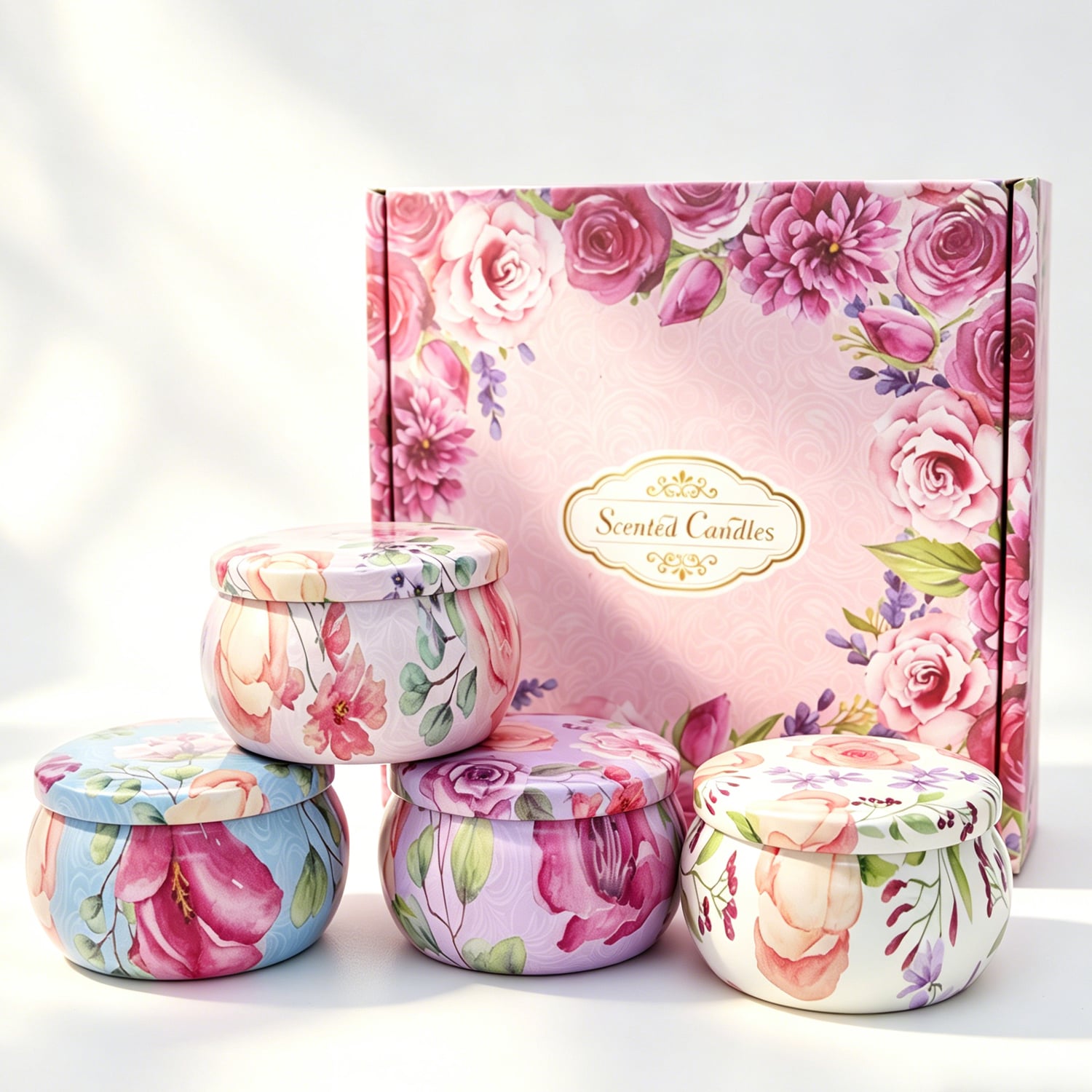
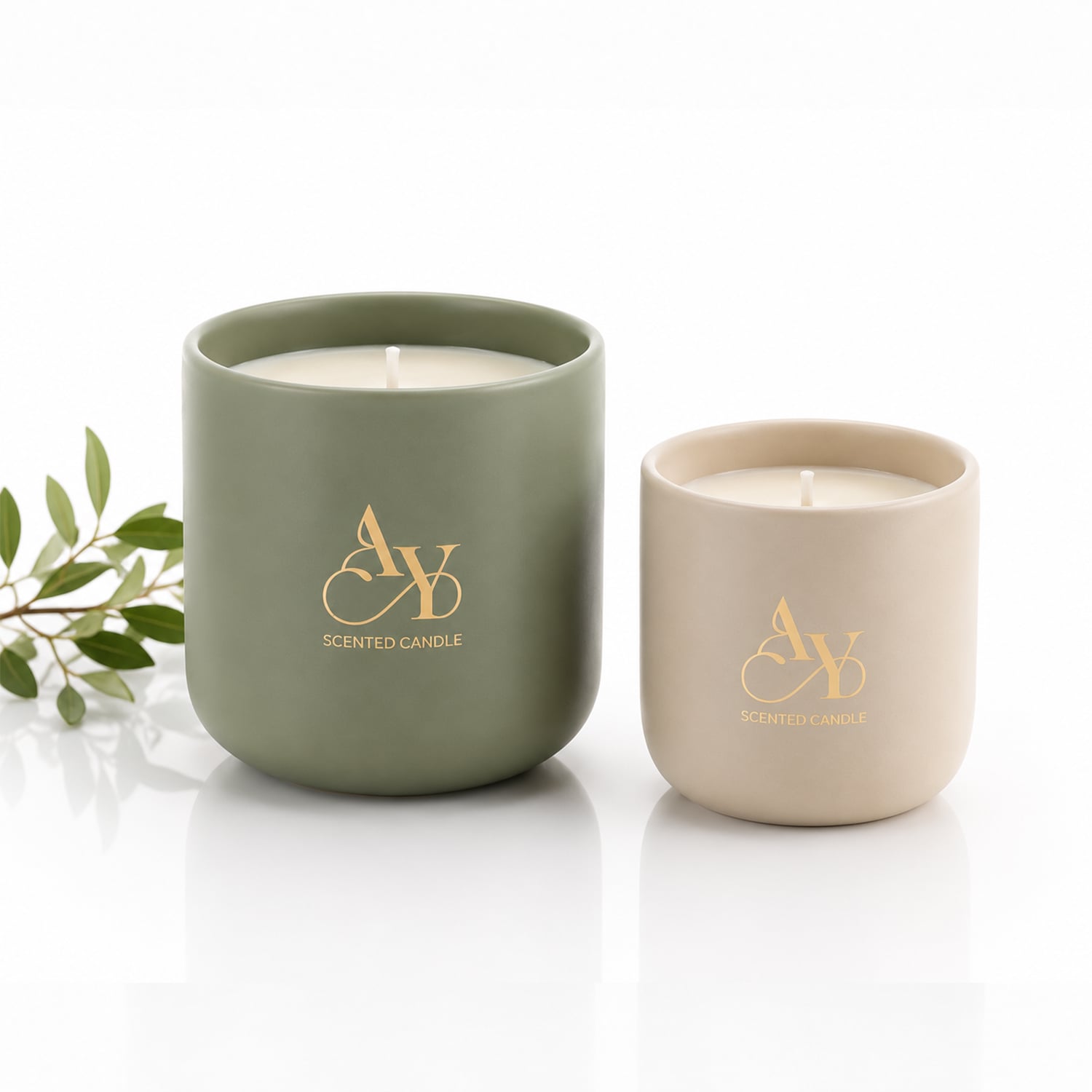
A scented candle set is different from a single decorative item because it presents fragrance as a small collection rather than one isolated choice. For home décor retailers, this matters at the conceptual level. A group of candles can suggest a season, a room, a mood, or a gifting moment before the customer even opens the box. Unlike single scented candles, a set creates rhythm through several related products, allowing fragrance, color, vessel shape, and packaging to be read together.
When a scented candle set is developed with a clear theme, fragrance candles become part of a visual and emotional language. The set may express calm evenings, fresh mornings, warm gatherings, or festive interiors. A candle gift set can also help shoppers understand the product quickly because it already feels complete. Instead of asking the customer to build a combination, the retailer presents an assembled idea that belongs naturally on a shelf, console table, bathroom tray, or gift display.
For home fragrance candles, concept is often more important than complexity. A set does not need too many scents or overly decorative packaging to feel meaningful. It needs a reason for its parts to belong together. In home décor retail, gift candles work best when they support the surrounding lifestyle story, whether that story is minimal, romantic, natural, seasonal, or boutique-inspired.
Home fragrance candles are usually purchased through a mixture of sight, memory, and imagination. Customers may first notice color, label design, box material, or the way the products are arranged beside ceramics, textiles, diffusers, or table décor. The role of scented candles in this environment is not only to release fragrance, but also to help shoppers imagine a room atmosphere.
A scented candle set gives retailers a useful storytelling unit because it can connect several moods under one theme. Holiday candles may sit within winter displays, while spa candles may belong beside bath accessories and soft towels. Luxury scented candles may be placed near premium home décor objects, where restrained packaging and layered fragrance names help build a more refined impression. The same basic product format can shift meaning depending on its visual setting.
Fragrance candles should therefore be selected with the store environment in mind. A retailer that focuses on rustic home styling may prefer warmer, woody, or herbal directions, while a modern décor store may need cleaner and more minimal fragrance stories. A scented candle set should not feel like a random sample pack. It should behave like a small interior collection, with each piece contributing to the same retail atmosphere.
A candle gift set carries a different expectation from a basic candle pack. It is often chosen because it feels ready to present, display, or use in a specific moment. For home décor retailers, this makes packaging a central part of the concept. The outer box, inner tray, label system, and color palette shape how customers judge the product before they consider wax, wick, or burn time.
A scented candle set for decorative channels should feel coherent when viewed from a distance and detailed when held by hand. If the store emphasizes natural textures, the packaging may use softer paper tones and calmer scent names. If the store focuses on seasonal gifting, the same format may become more expressive through illustration, color, and festive fragrance language. Scented candles in a set should also be easy for sales staff or online descriptions to explain, because clarity supports the customer’s first impression.
For wholesale scented candles, the challenge is often to balance presentation with practicality. A set must look attractive, but it must also survive handling, storage, and delivery. A beautiful box with weak structure may damage the retail experience, while overly heavy packaging may not fit the channel. The best packaging concept is one that protects the product while still expressing the retailer’s decorative identity.
Custom scented candles allow home décor retailers to move beyond generic assortments and create fragrance products that match their own visual world. This does not mean every element must be complicated. A well-chosen vessel, a consistent label style, and a focused fragrance direction can already make a line feel more specific. Private label candles become stronger when the retailer treats scent, packaging, and display as connected parts of one brand language.
For a scented candle set, customization should begin with the intended use scene. A living room collection may call for different fragrance ideas than a bathroom, bedroom, or entryway collection. Custom scented candles can be designed around these imagined spaces, giving customers a clearer reason to choose one set over another. Private label candles also allow retailers to create continuity across seasons, where the core design remains recognizable while fragrance themes change.
The same principle applies to naming. Scented candles with simple but coherent names are easier to understand than products with disconnected fragrance labels. The name should help the customer imagine the setting, not confuse them with unnecessary complexity. In home décor retail, fragrance is not only smelled; it is read as part of the room.
OEM candles are often discussed through specifications, but for retailers they also carry brand meaning. Wax finish, fragrance balance, vessel quality, wick placement, label application, and box condition all influence how the customer reads the product. If these details are inconsistent, the decorative concept becomes weaker even when the visual design is attractive.
For OEM candles, retailers should think about quality as part of storytelling. A calm spa-inspired line needs stable fragrance and clean presentation. A seasonal gift range needs reliable packing and consistent visual order inside the box. A home décor assortment needs products that look composed when placed together on a shelf. This is where the role of a candle manufacturer becomes practical. Aoyin Xingtang Candle can be naturally considered as a production partner supporting fragrance selection, packaging customization, logo application, and export-ready coordination for B2B retail projects.
A home décor retailer can approach assortment planning by asking what kind of interior story the product should support. The answer may be seasonal warmth, soft relaxation, fresh daily living, boutique luxury, or gift-ready charm. Once this direction is clear, fragrance, vessel, packaging, and display language can follow with more consistency.
The buying process should not begin only with price or scent popularity. It should begin with the role the product will play inside the store. A coherent range can sit near home textiles, decorative trays, ceramic holders, bath products, or holiday displays without feeling separate from the broader assortment. For retailers planning a new collection, the next conversation with a supplier can start from mood, customer setting, and packaging direction, then move toward samples and production details for a scented candle set.
 Hot News
Aoyin Xingtang Candle Co., Ltd., founded in January 2014, is situated Hebei Province. it features 5 production lines and over 400 machines, specializing in scented candles, tea lights, jar candles, pillar candles, and more.
Fengjiazuo Village West, Yuting Township, Shijiazhuang, Hebei, China
Copyright © Aoyin Xingtang Candle Co., Ltd. All Rights Reserved Privacy Policy
 EN
EN