Home > News > Industry News
In global home and gift retail, color has long worked as a quiet commercial language. From dyed ceremonial wax in traditional settings to coordinated seasonal displays in modern stores, buyers have used tone, surface, and shape to connect products with memory and occasion. As interior styling, event merchandising, and online visual presentation became more important, color moved from decoration into product planning. Retail shelves now need objects that can belong to rooms, holidays, rituals, and brand stories at the same time. For B2B buyers, this background creates a richer context for understanding how visual wax products are read by customers before fragrance or flame is considered. A Colour Candle, colored candles, and custom candles therefore sit within a broader system of visual merchandising and product identity.
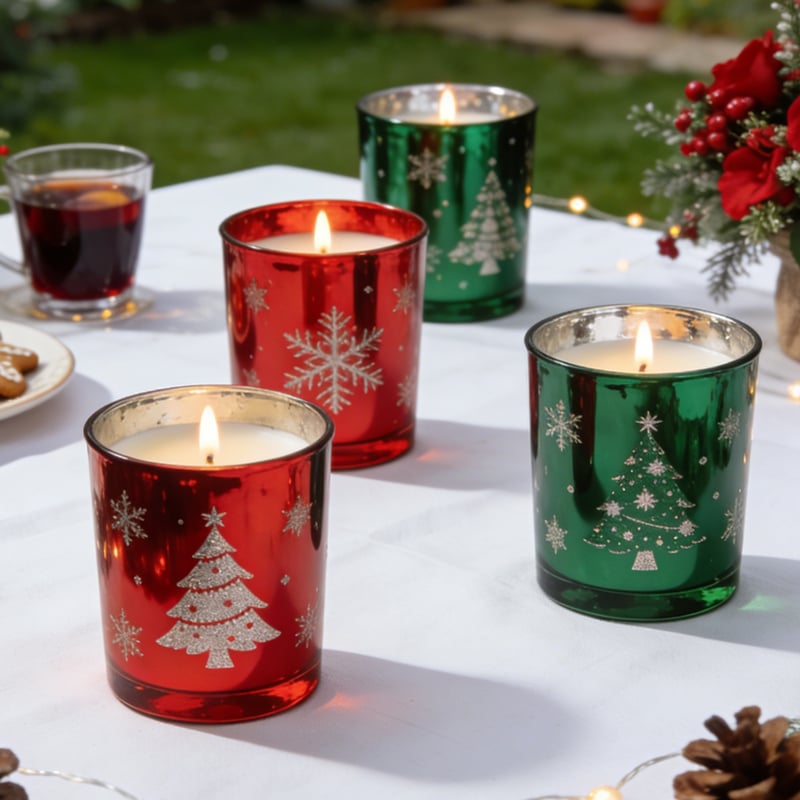
A Colour Candle should be understood as more than wax with pigment. In B2B product planning, color becomes a way to express market position, seasonal meaning, and brand personality. A soft cream tone may support calm interior styling, while deep red or green may immediately suggest festive display. Darker shades may feel modern or dramatic, and pale tones may work better in spa, wedding, or minimalist home settings.
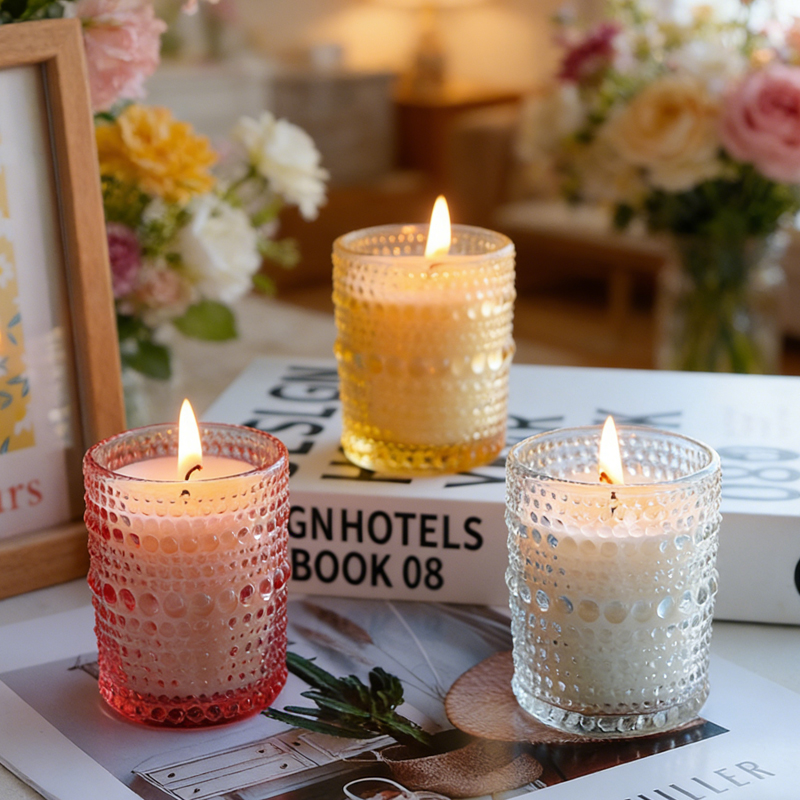
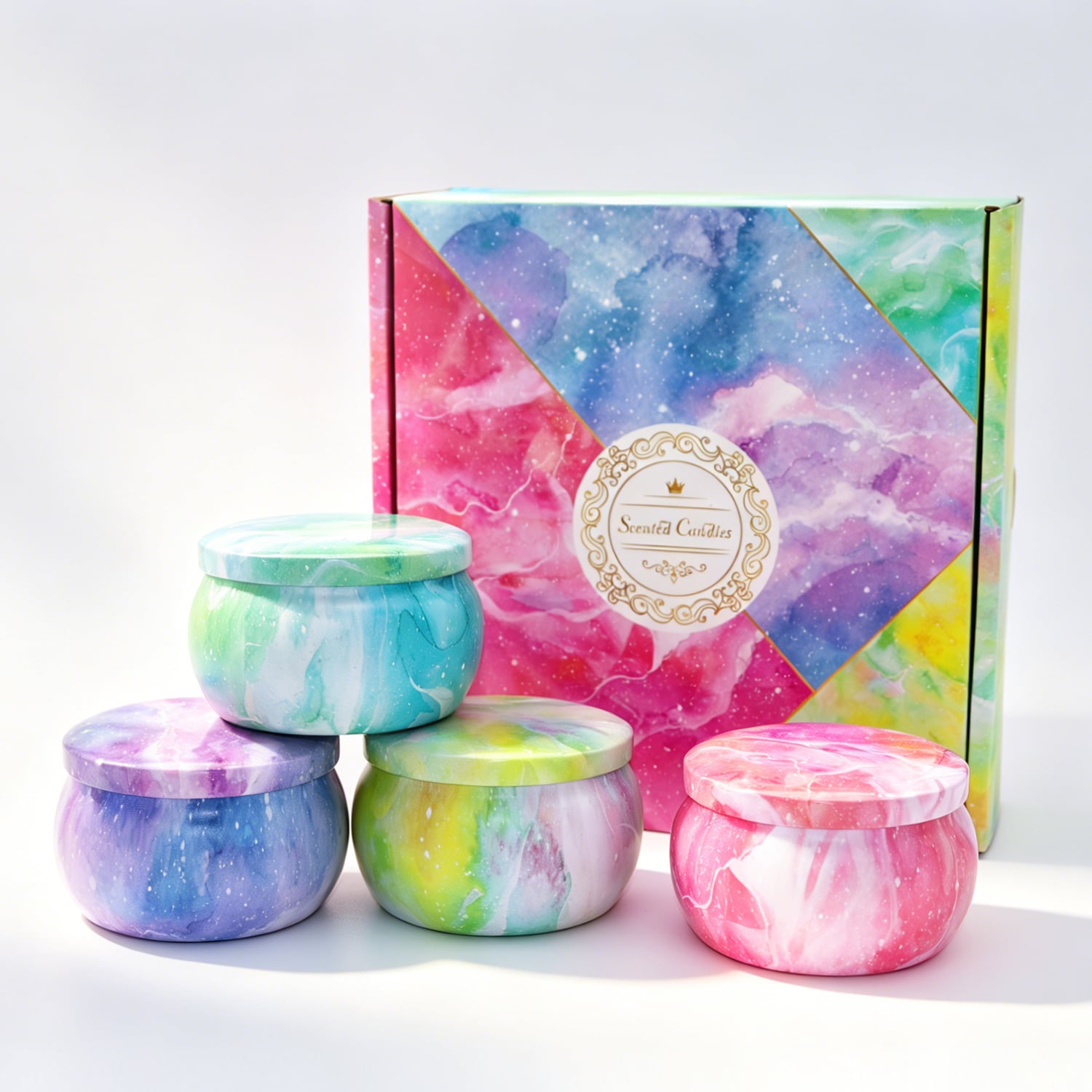
For home décor candles, the visual role often begins before the product is used. Customers see the surface, vessel, label, and packaging before they experience the flame. This means a Colour Candle must make sense as an object on a shelf, in a box, and inside a room. Gift candles also depend strongly on color because gift buyers often respond to the complete visual impression. When colored candles are placed within a clear design story, they become easier for retailers to position and easier for customers to imagine.
Custom candles allow B2B buyers to connect color with channel strategy. A product for boutique home décor may use muted shades and simple packaging, while a product for seasonal retail may use stronger tones and more expressive outer boxes. The same wax format can look natural, romantic, festive, premium, or playful depending on the selected color direction.
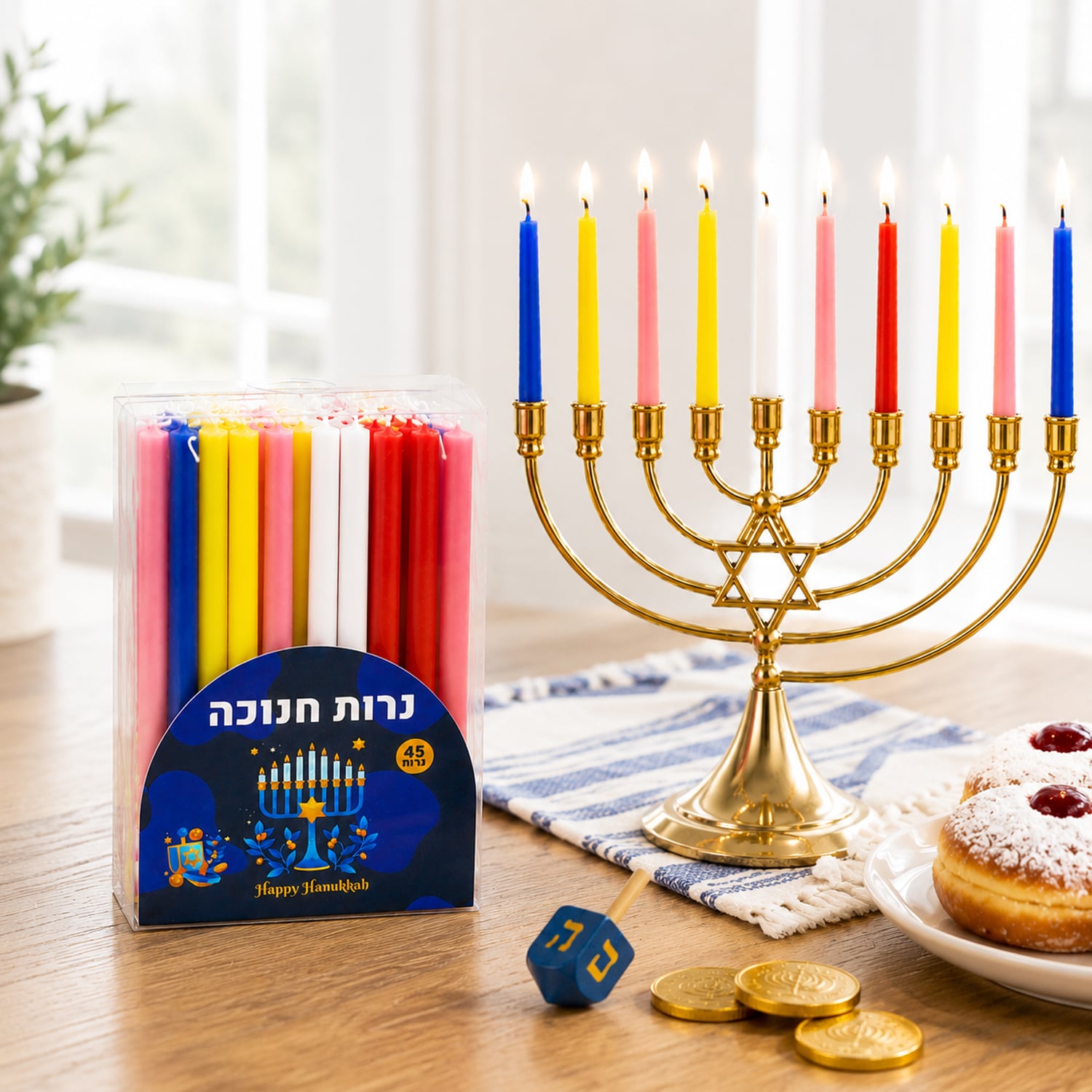
When developing custom candles, buyers should avoid choosing shades only by personal preference. The better approach is to define the selling scene first. Holiday candles may need immediate seasonal recognition, while wedding candles may require softer and more elegant tones. Wholesale candles often need a color range that works across many stores, not only one campaign. A Colour Candle range becomes clearer when every shade has a role in the retail story rather than appearing as a random option.
Scented Colour Candles add another conceptual layer because color and fragrance are interpreted together. A lavender fragrance often feels natural in a purple or pale lilac tone, while citrus may feel more intuitive in yellow, orange, or light green. Rose, vanilla, sandalwood, ocean, pine, and amber can each suggest a different visual direction. When the scent and color conflict, customers may feel uncertainty even if they cannot explain why.
Scented colour candles also require material awareness. Wax type, dye, fragrance oil, pouring temperature, and cooling behavior can influence the final surface and shade. A Colour Candle made with soy wax may have a softer and more matte expression, while other wax blends may show stronger or cleaner color. Scented colour candles should therefore be developed through physical samples, because screen colors and printed references cannot fully represent wax texture.
Private label candles are strongest when color supports a consistent brand world. For B2B buyers, this means the shade, vessel, label, fragrance name, and box should appear connected. A product line with too many unrelated colors may feel like a mixed assortment rather than a brand collection. Private label candles should give retailers a recognizable visual identity that can continue across seasons and product formats.
OEM candles require the same thinking at production level. Color matching is not only a design decision; it is also a manufacturing control issue. OEM candles may involve wax batches, dye ratios, fragrance interaction, cooling conditions, and packaging protection. A candle supplier should understand how these factors affect the finished look. In a Colour Candle project, even a small shift in tone may change the perceived value of the product, especially when it is sold as part of a coordinated retail range.
Pillar candles give color a strong sculptural presence because the wax body is fully visible. They are often used in decorative displays, event settings, and home styling, where surface finish and shade consistency are easy to notice. A small mark or uneven tone may become more visible on a large exposed surface, so the visual standard needs to be clear from the beginning.
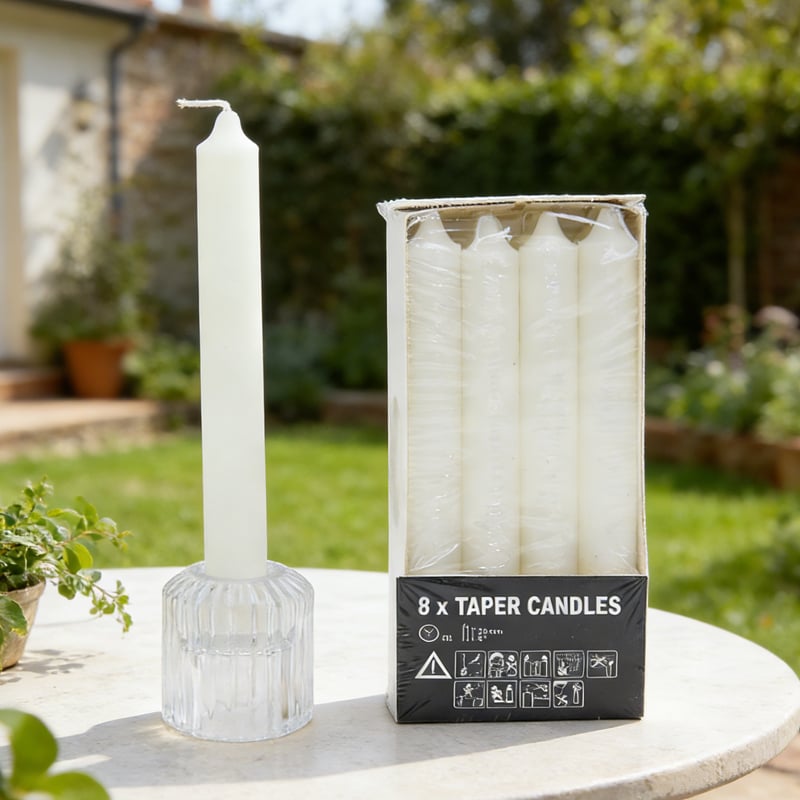
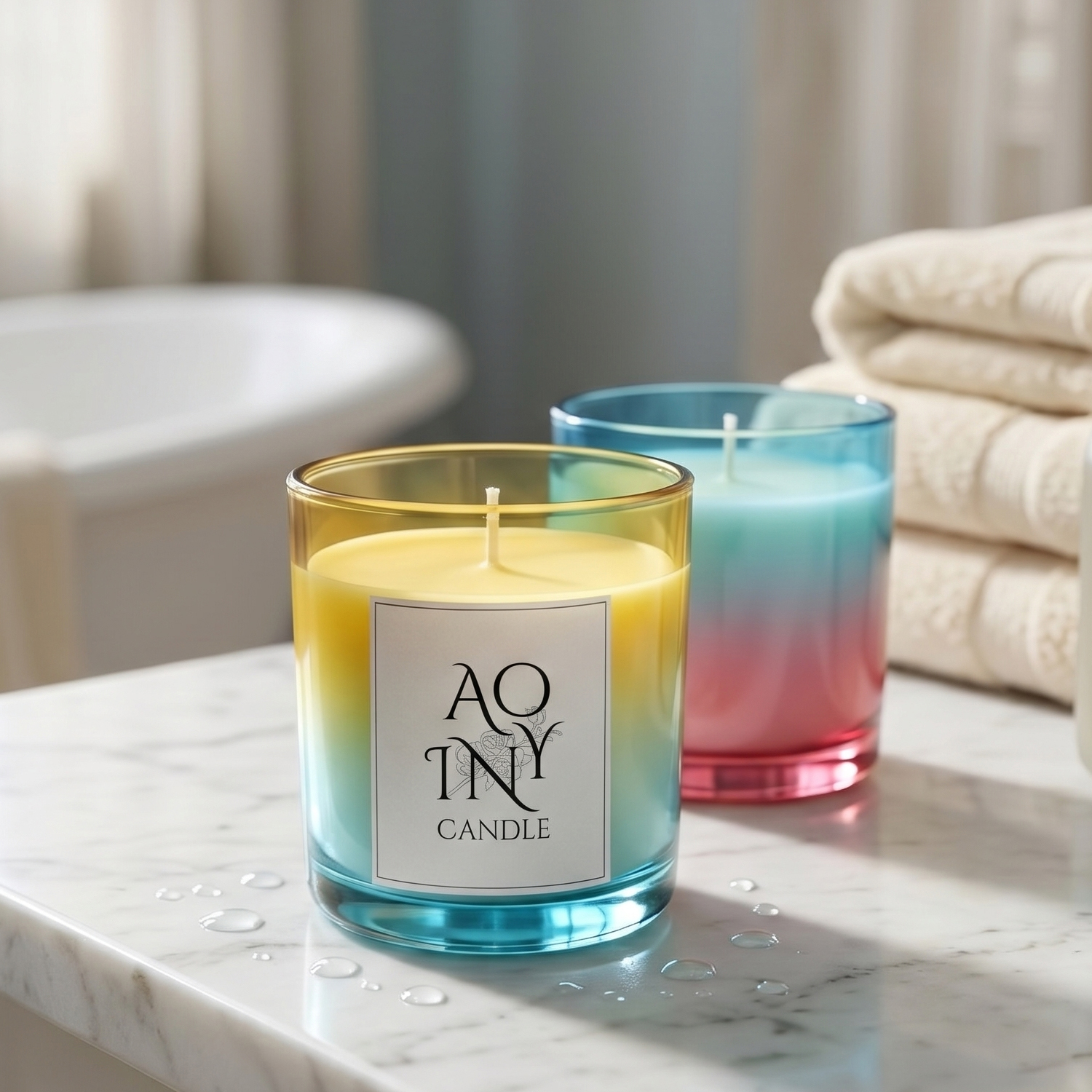
Taper candles use color in a more linear and elegant way. Their meaning often comes from table settings, ceremonies, dinners, weddings, and seasonal arrangements. The same red, ivory, black, or green tone can look very different depending on length, diameter, and finish. Jar candles are different again because color may come from wax, glass, label, lid, or box. This gives buyers more design flexibility, but it also requires stronger coordination between components.
A candle manufacturer involved in color customization should be able to discuss design intention and production behavior together. Buyers may begin with a color idea, but the supplier must translate that idea into wax selection, dye testing, sample confirmation, and bulk production control. The process should also consider whether the product will be fragranced, packed as a gift item, shipped in warm conditions, or displayed under strong retail lighting.
Aoyin Xingtang Candle can be naturally considered in this context as a production partner supporting wax selection, fragrance matching, packaging customization, logo application, and export-ready coordination for international B2B projects. The important point is not only whether a factory can make a sample, but whether it can maintain the approved visual direction through mass production, packing, and repeat orders.
For B2B buyers, a practical buying brief should begin with the intended market, visual mood, product format, fragrance direction, packaging level, and acceptable color tolerance. If these details are not defined, development can become slow because every shade and sample may be judged subjectively. A clearer concept helps the supplier understand whether the product should feel festive, calm, natural, elegant, modern, or gift-ready.
Color customization works best when treated as part of product identity rather than a final decorative step. Buyers planning a new range can begin by clarifying the retail scene, then move into material samples, packaging direction, and production discussion with a supplier. With that foundation, the next development conversation can focus on turning a visual idea into a finished Colour Candle.
 Hot News
Aoyin Xingtang Candle Co., Ltd., founded in January 2014, is situated Hebei Province. it features 5 production lines and over 400 machines, specializing in scented candles, tea lights, jar candles, pillar candles, and more.
Fengjiazuo Village West, Yuting Township, Shijiazhuang, Hebei, China
Copyright © Aoyin Xingtang Candle Co., Ltd. All Rights Reserved Privacy Policy
 EN
EN