Home > News > Industry News
Across global home fragrance and lifestyle retail, candles have developed from practical household objects into emotional products shaped by atmosphere, color, ritual, and interior identity. For product developers, this change has altered how new collections are planned, because buyers now consider scent memory, packaging texture, shelf display, gift value, and repeat purchase behavior together. The market is also influenced by wellness language, boutique hospitality, online merchandising, and private label competition, which makes even familiar fragrance ideas more complex during development. Brands looking at calming scent stories need to interpret consumer expectations carefully before selecting formulas, vessels, or packaging systems. In this context, a Lavender Candle can be positioned as a lavender scented candle, a home fragrance candle, or a wellness candle depending on the channel and brand concept.
A Lavender Candle is not simply a purple-colored product with a floral scent. In B2B product development, it represents a recognizable fragrance direction that consumers often associate with calm rooms, evening routines, spa-inspired spaces, and soft gifting occasions. Lavender Candles have strong familiarity, which makes them easier for buyers to understand, but that same familiarity can also create product sameness if the development process is too basic.
For a brand, the first task is to define the role of the lavender scented candle inside the wider collection. It may act as an entry-level fragrance, a hero scent, a seasonal gift item, or part of a private label lavender candles range. The concept should guide every later decision, including wax type, vessel form, label style, color palette, fragrance strength, and packaging tone.
The benefits of a Lavender Candle should be explained through atmosphere and lifestyle rather than medical claims. Consumers may connect lavender with relaxation, comfort, bedtime routines, reading, bathing, and quiet personal spaces, but product descriptions should avoid promising treatment or guaranteed health results. This distinction matters for brands selling across different markets where claims about sleep, stress, or wellness can be sensitive.
A spa candle concept, for example, can describe a peaceful environment, a soft fragrance impression, and a slow evening ritual. A lavender scented candle for bedroom styling can focus on gentle ambience and interior warmth. Lavender Candles work well when the brand language remains emotional, sensory, and responsible, allowing the product to feel useful without crossing into unsupported claims.
Custom lavender candles help brands avoid the problem of looking too similar to competitors. The basic scent direction is familiar, but the final product can be adjusted through fragrance blending, vessel shape, wax color, lid material, label design, and gift packaging. A Lavender Candle mixed with vanilla may feel soft and comforting, while one blended with sage, cedarwood, eucalyptus, or chamomile may feel cleaner, greener, or more refined.
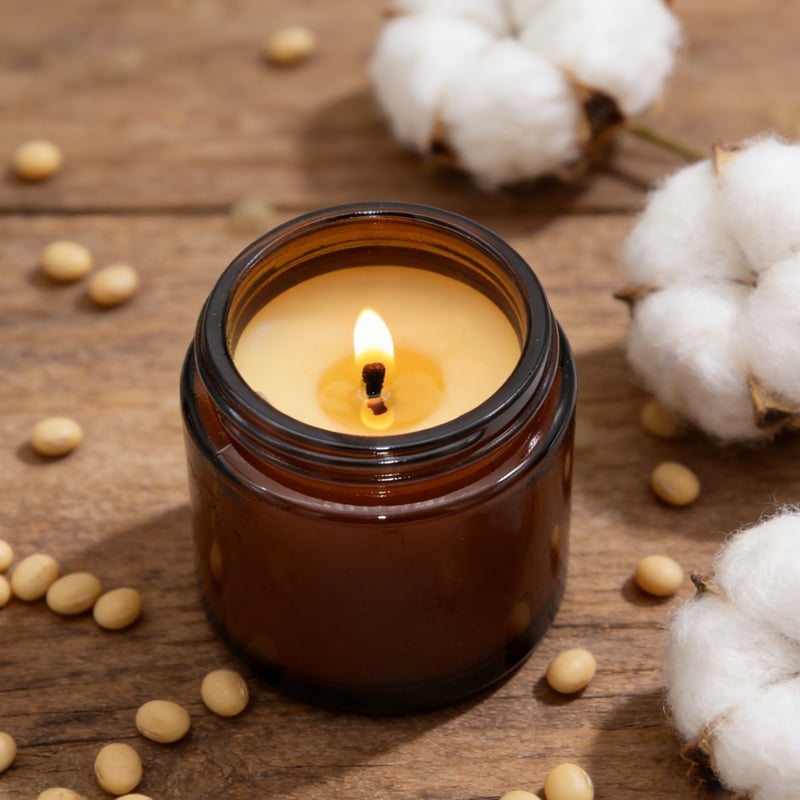
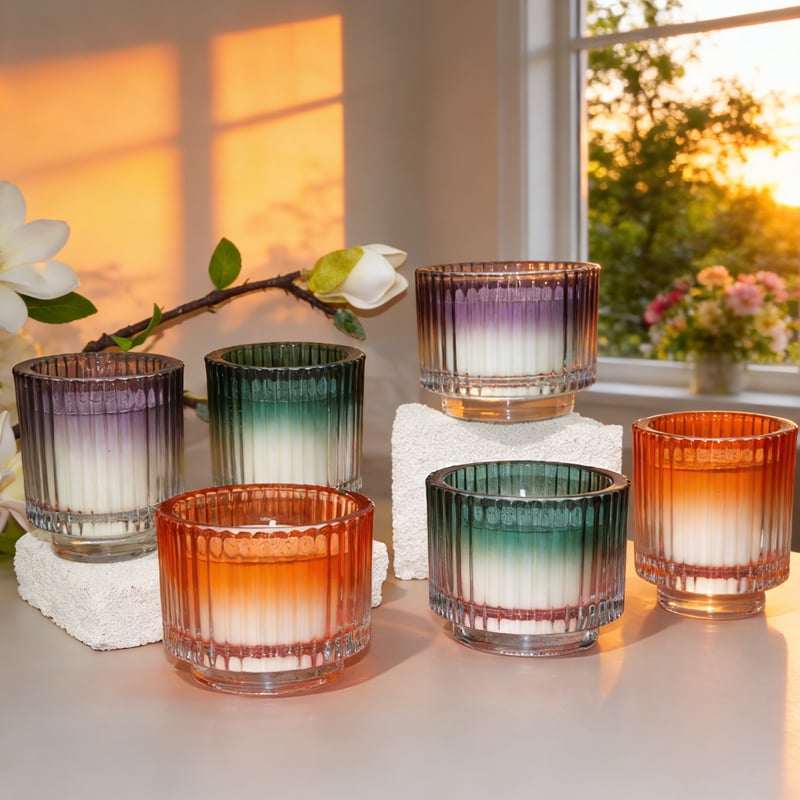
A lavender jar candle is often suitable for retail and gift channels because it combines fragrance, container design, and safe shelf presentation. For private label lavender candles, the jar becomes part of the brand identity rather than a simple container. Custom lavender candles can also support seasonal stories, such as spring wellness collections, Mother’s Day gifting, hotel amenities, or boutique home fragrance lines. A lavender scented candle becomes more valuable when its scent and appearance express the same idea.
Wholesale lavender candles are attractive to many B2B buyers because the fragrance is widely understood across home fragrance, gift, spa, and lifestyle retail channels. However, broad recognition does not mean every product will suit every market. A Lavender Candle for a minimalist European-style brand may need a clean label and subtle fragrance, while a gift-focused buyer may prefer stronger visual cues, soft color, and box presentation.
A lavender candle manufacturer should understand how formulation and design affect positioning. A lavender candle supplier also needs to support practical decisions about order volume, packaging protection, and export requirements. Wholesale lavender candles must be developed with both retail appeal and operational stability in mind. Lavender Candles that look attractive in samples but change noticeably in bulk production can create problems for brand consistency and customer trust.
A Lavender Candle is judged by more than its scent name. Product developers need to think about wax behavior, fragrance performance, wick matching, burn pool, smoke control, surface finish, and container compatibility. If the wick is not matched correctly, the candle may burn unevenly or fail to release fragrance properly. If the fragrance load is poorly balanced, the cold scent and hot scent may feel inconsistent.
A scented candle manufacturer with practical testing experience can help reduce these risks. A lavender candle manufacturer should be able to discuss how wax blend, wick size, vessel diameter, and fragrance formula work together. Custom lavender candles require extra attention because any adjustment in color, container, or scent blend may affect the burning result. Quality is therefore part of product development, not only a final inspection step.
Private label lavender candles allow B2B buyers to turn a familiar fragrance into a branded product line. The key is to avoid treating the scent as a generic option. The Lavender Candle should have a clear story, such as calm living, soft luxury, natural simplicity, evening comfort, or spa-inspired self-care. This story can be expressed through fragrance naming, packaging material, jar color, label typography, and collection photography.
For home fragrance brands, storytelling also helps connect the product with other items in the range. A candle may sit beside diffusers, bath products, room sprays, or seasonal gift boxes. When the design language is consistent, the product becomes part of a brand world rather than a single isolated item.
Choosing the right Lavender Candle supplier is an important development decision because the supplier influences both creative execution and production reliability. A lavender candle manufacturer should be able to support sampling, fragrance adjustment, vessel selection, packaging discussion, and quality control. Buyers should pay attention to whether the factory can explain technical details clearly, repeat approved samples, and manage bulk orders with stable communication.
Aoyin Xingtang Candle can be mentioned as one example of a candle factory with customization experience, production equipment, export background, and support for different candle categories. For brands developing a Lavender Candle, this type of factory experience can be useful when moving from concept to sample and from sample to commercial order.
Building a Lavender Candle line for B2B markets requires concept clarity, responsible benefit language, fragrance discipline, packaging alignment, and supplier coordination. The product should feel familiar enough for customers to understand quickly, but distinctive enough to support brand identity and retail storytelling.
For product developers, the next step is to define the desired market position before requesting samples. Once the target channel, scent profile, container style, and packaging direction are clear, communication with an experienced manufacturer becomes more efficient. Brands preparing to develop a calming home fragrance range can begin with a focused brief and explore how a Lavender Candle can become part of a stronger product collection.
 Hot News
Aoyin Xingtang Candle Co., Ltd., founded in January 2014, is situated Hebei Province. it features 5 production lines and over 400 machines, specializing in scented candles, tea lights, jar candles, pillar candles, and more.
Fengjiazuo Village West, Yuting Township, Shijiazhuang, Hebei, China
Copyright © Aoyin Xingtang Candle Co., Ltd. All Rights Reserved Privacy Policy
 EN
EN