Home > News > Industry News
Across the global candle trade, purchasing has evolved from simple product comparison into a more complex evaluation of production reliability, design flexibility, compliance awareness, and long-term supply stability. Candles now serve many commercial channels, including home fragrance, décor retail, festive gifting, hospitality, religious use, event planning, and private label branding. As international buyers face shorter selling seasons and more demanding consumers, the factory behind the product becomes as important as the product itself. In this sourcing environment, Large Candle projects require buyers to understand how a candle manufacturer and candle supplier actually manage scale, consistency, communication, and export execution.
Large Candle sourcing is often misunderstood as a question of how many items a factory can produce in a day, but real candle factory capacity is broader than output speed. It includes equipment readiness, material preparation, mold availability, wax melting systems, cooling space, packaging workflow, inspection routines, and the ability to coordinate production without losing consistency. For global buyers, this matters because bulk candle orders usually involve many connected details rather than a single production step.
A candle manufacturer with strong operational control can keep product appearance, fragrance, color, weight, and packaging closer to the approved sample. A candle supplier with limited internal coordination may still deliver attractive samples, yet struggle when wholesale candles move into repeated production. This is why buyers should view capacity as a system. The real question is not only whether the factory can produce, but whether it can reproduce the same approved product under commercial pressure.
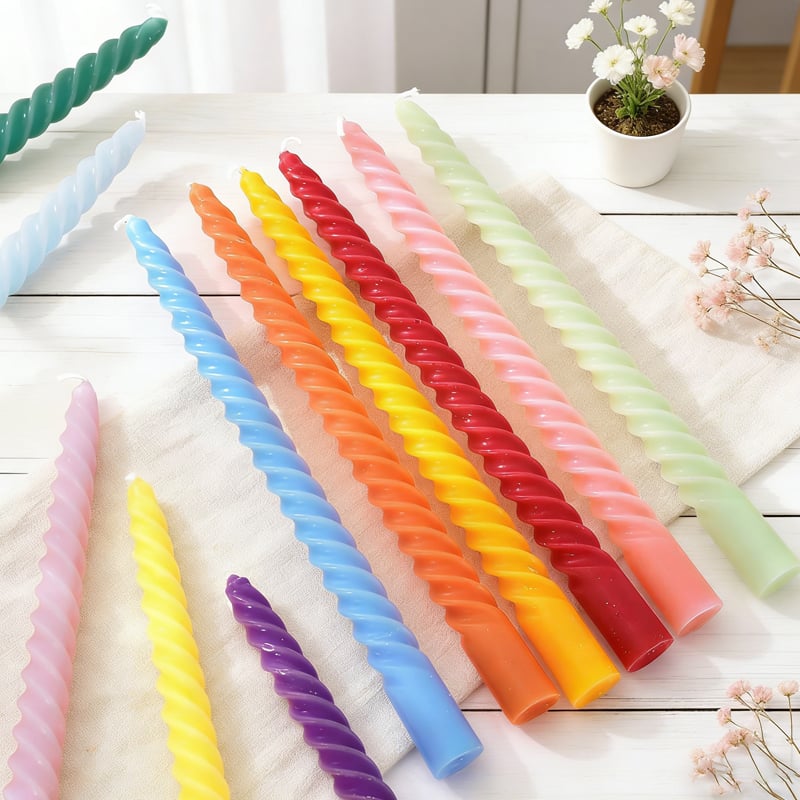
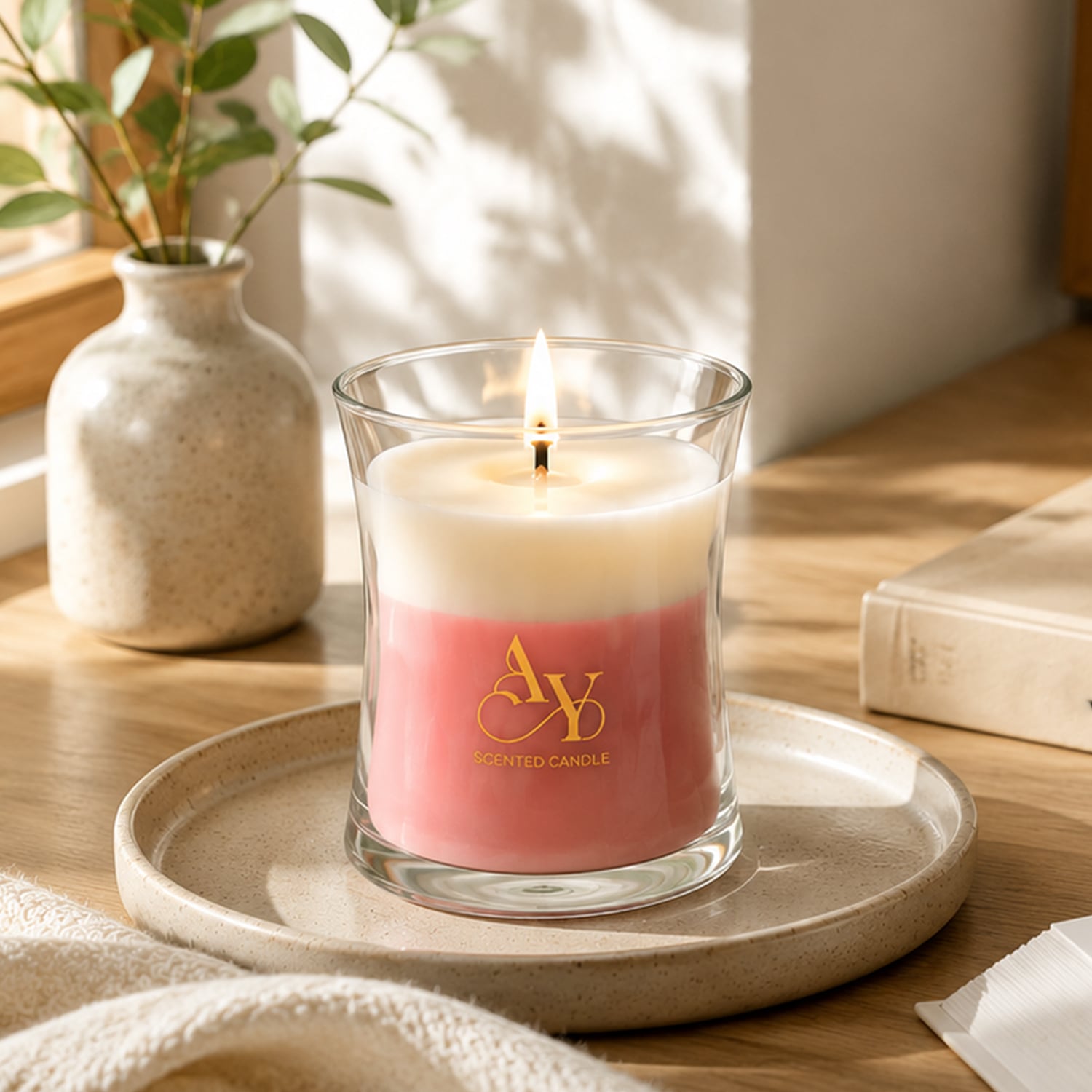
A large candle factory may have workshops, machines, workers, and storage space, but size alone does not define reliability. Buyers need to understand how those resources are organized. Candle production lines should support different product types, such as jar candles, pillar candles, tea lights, scented candles, decorative candles, and seasonal candles. When candle production lines are flexible, a factory can respond more effectively to changing order structures and different market needs.
Candle factory capacity also depends on how smoothly materials move through production. Wax, fragrance, colorants, wicks, vessels, labels, boxes, and cartons must arrive at the right time and match the approved specification. If one material is delayed or inconsistent, bulk candle orders can be affected even when the factory has enough machines. A professional candle manufacturer understands that capacity is not just physical scale; it is the coordination of materials, people, equipment, and timing.
Custom candles place more pressure on a factory than standard items because every design decision adds another control point. A brand may request a special fragrance, a custom jar color, a printed logo, a unique box, or a specific gift set arrangement. Private label candles also require alignment between the buyer’s brand identity and the factory’s technical execution. For this reason, customization is not only a design service; it is a test of production discipline.
A candle supplier handling custom candles must manage sampling, confirmation, production records, and packaging details carefully. Large Candle projects involving private label candles often include multiple SKUs, seasonal timelines, and strict presentation standards. If the factory lacks internal communication, the final goods may differ from the buyer’s approved concept. A capable candle manufacturer should be able to explain which custom ideas are practical, which details affect cost or lead time, and how the factory will keep the final order consistent.
Large Candle production cannot be separated from candle quality control. Many buyers focus on price and delivery time first, but quality control determines whether the order can actually be sold with confidence. Candle quality control includes checking wax surface, wick position, fragrance consistency, burning behavior, vessel appearance, label placement, carton strength, and finished packing. These details are especially important when wholesale candles are displayed in retail environments, where small defects become visible to customers.
A candle supplier with strong inspection awareness reduces the risk of inconsistent batches, broken packaging, uneven burning, or appearance problems after shipment. A candle manufacturer should also understand that candles are both visual and functional products. They must look attractive before use and perform reliably during use. In this sense, quality control is not a final step after production; it is part of the factory’s capacity from the first material decision to the final export carton.
A large candle factory must be ready for bulk candle orders not only in production, but also in planning. Large orders often have fixed selling windows, especially for Christmas, weddings, home décor launches, promotional campaigns, or retail seasonal programs. When bulk candle orders miss the planned delivery period, the buyer may lose sales opportunities even if the products eventually arrive. This makes production scheduling and lead time communication essential parts of candle factory capacity.
A reliable candle supplier should be able to discuss production stages clearly, including sampling, material preparation, manufacturing, packing, inspection, and shipment coordination. The buyer should also pay attention to how a large candle factory manages peak seasons. Some factories accept too many orders and then delay production, while better-organized suppliers plan capacity according to real workflow. Aoyin Xingtang Candle, for example, can be naturally considered in this context because it has multiple production lines, many machines, customization support, certifications, and experience serving international markets.
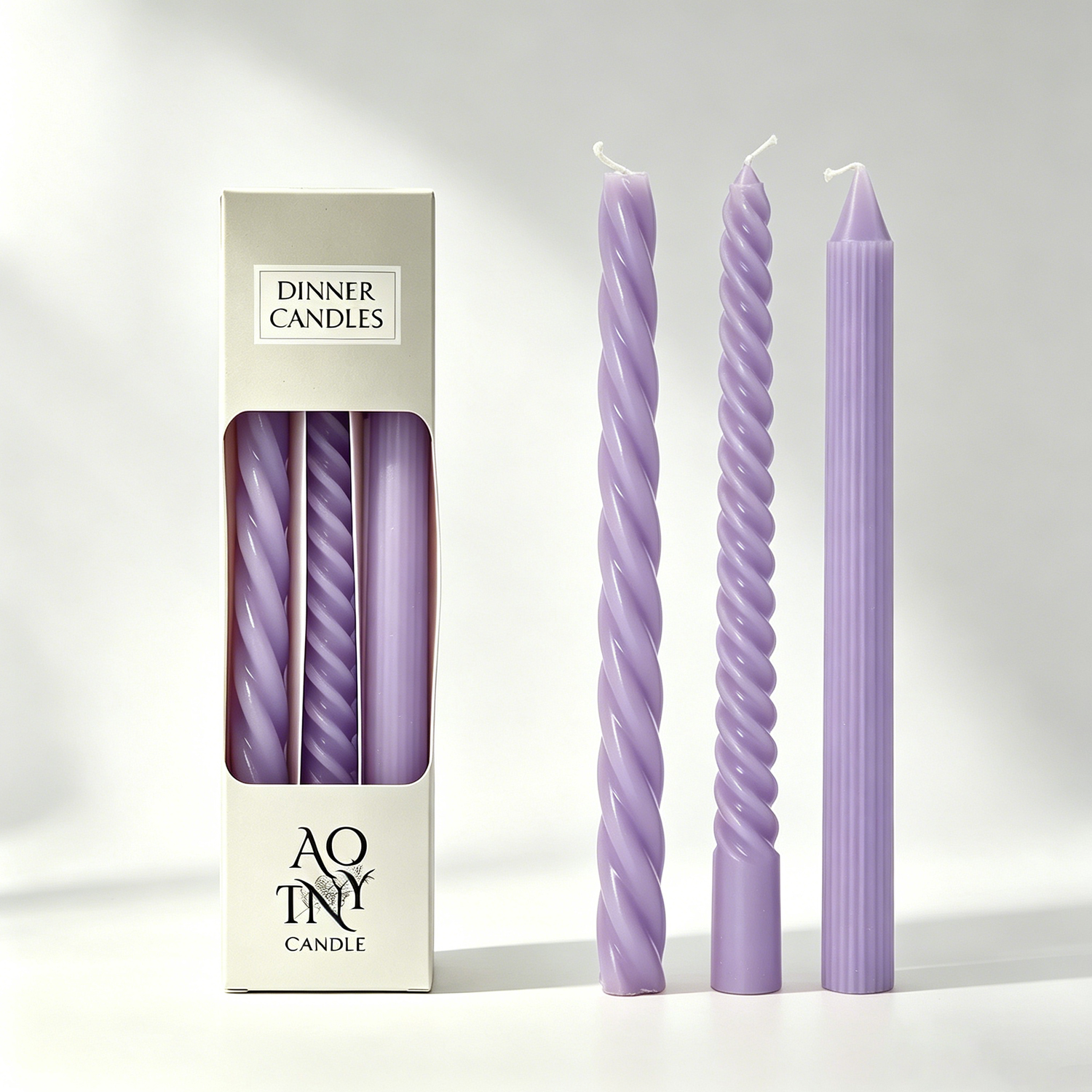
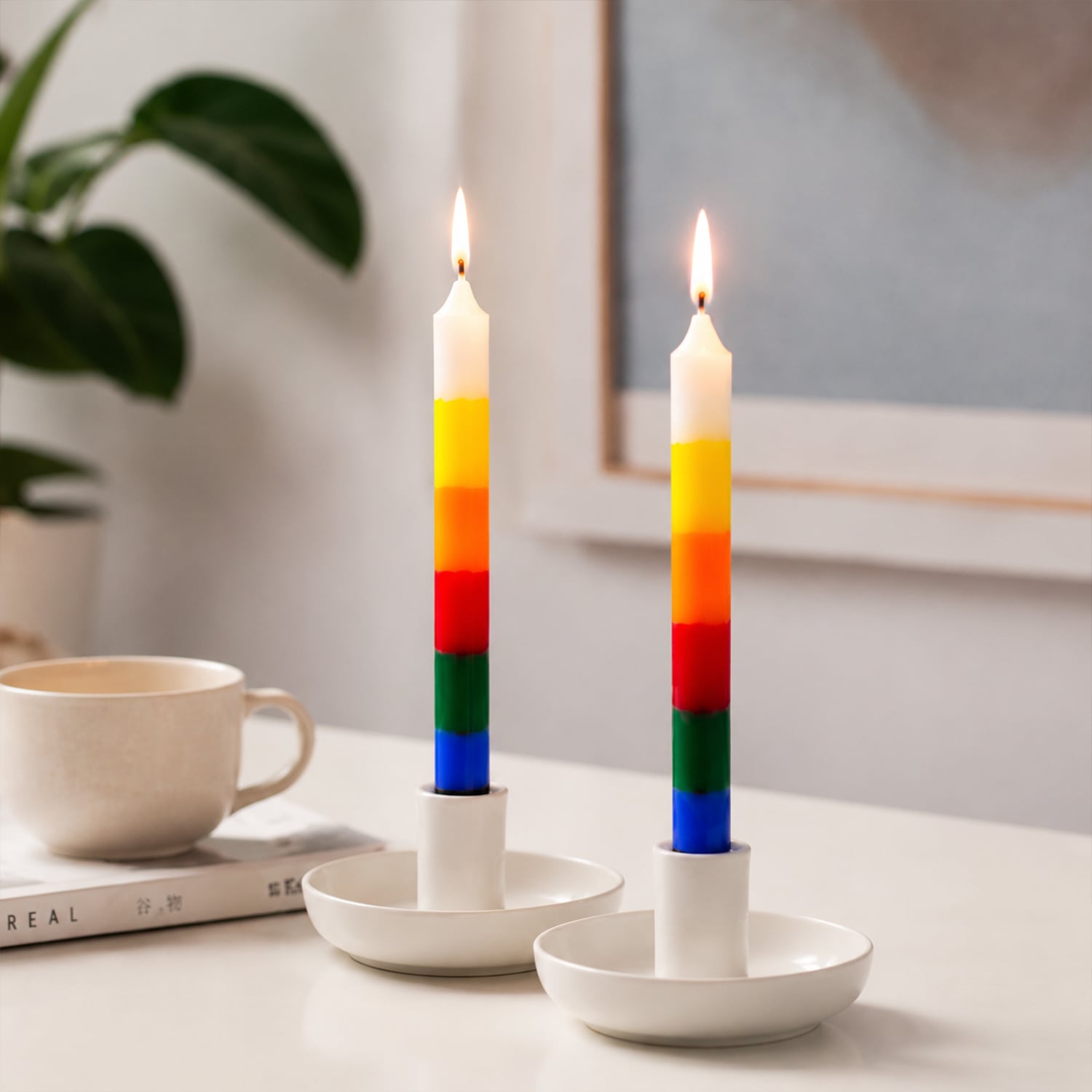
Large Candle sourcing for global buyers also depends on export experience. An export candle manufacturer must understand not only how to produce candles, but also how to protect them during long-distance transportation. Glass jars, pillar candles, taper candles, and decorative shapes may need different packing methods. Carton strength, inner protection, labeling, marks, pallet requirements, and container loading all influence whether goods arrive in saleable condition.
Communication is another part of capacity that buyers sometimes underestimate. A candle supplier may have good equipment, but if the business team cannot confirm details quickly or explain production issues clearly, the project can become difficult. For private label candles and custom candles, professional communication helps prevent misunderstandings before they become production mistakes. An export candle manufacturer should support buyers with sample confirmation, specification records, progress updates, and after-sales response.
Large Candle purchasing should be viewed as a long-term supply decision rather than a one-time price comparison. A factory’s true value appears when it can handle repeat orders, maintain quality, adjust customization, support packaging changes, and deliver within agreed timelines. Candle factory capacity is therefore a combination of production scale, technical control, export experience, and communication reliability.
For global B2B buyers, the right candle manufacturer is the one that can turn approved samples into stable commercial goods. The right candle supplier is the one that understands both the product concept and the operational reality behind it. If buyers are preparing bulk candle orders, developing custom candles, or expanding private label candles, direct discussion with an experienced Large Candle factory can help clarify the next sourcing step.
 Hot News
Aoyin Xingtang Candle Co., Ltd., founded in January 2014, is situated Hebei Province. it features 5 production lines and over 400 machines, specializing in scented candles, tea lights, jar candles, pillar candles, and more.
Fengjiazuo Village West, Yuting Township, Shijiazhuang, Hebei, China
Copyright © Aoyin Xingtang Candle Co., Ltd. All Rights Reserved Privacy Policy
 EN
EN