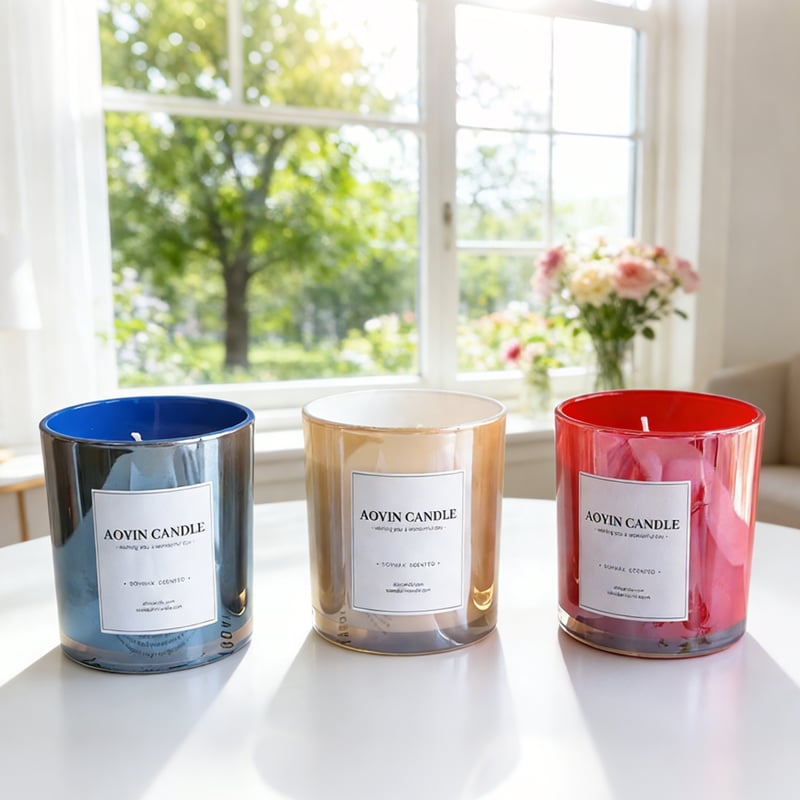
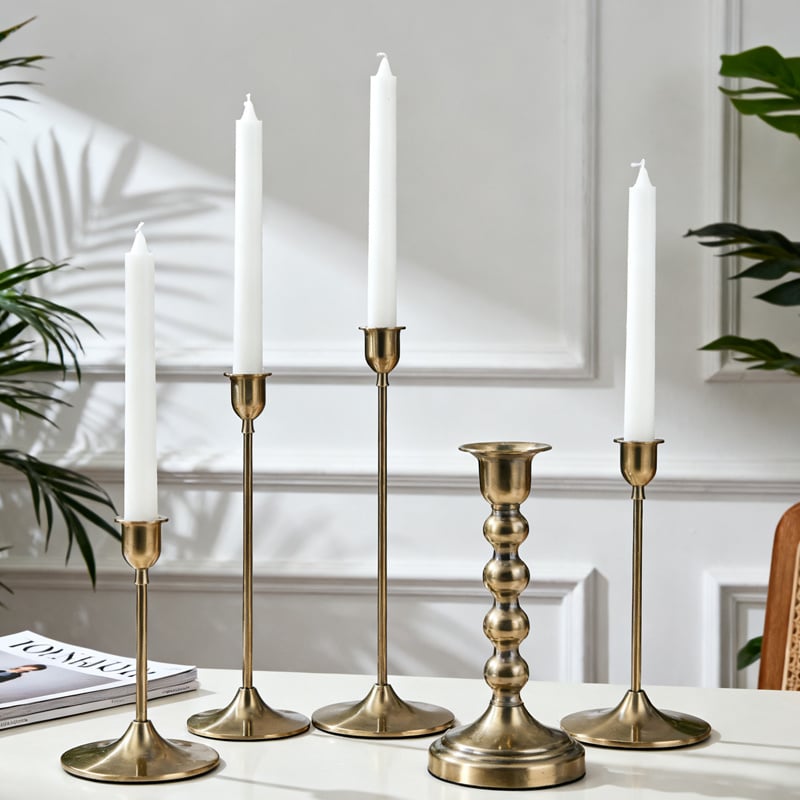
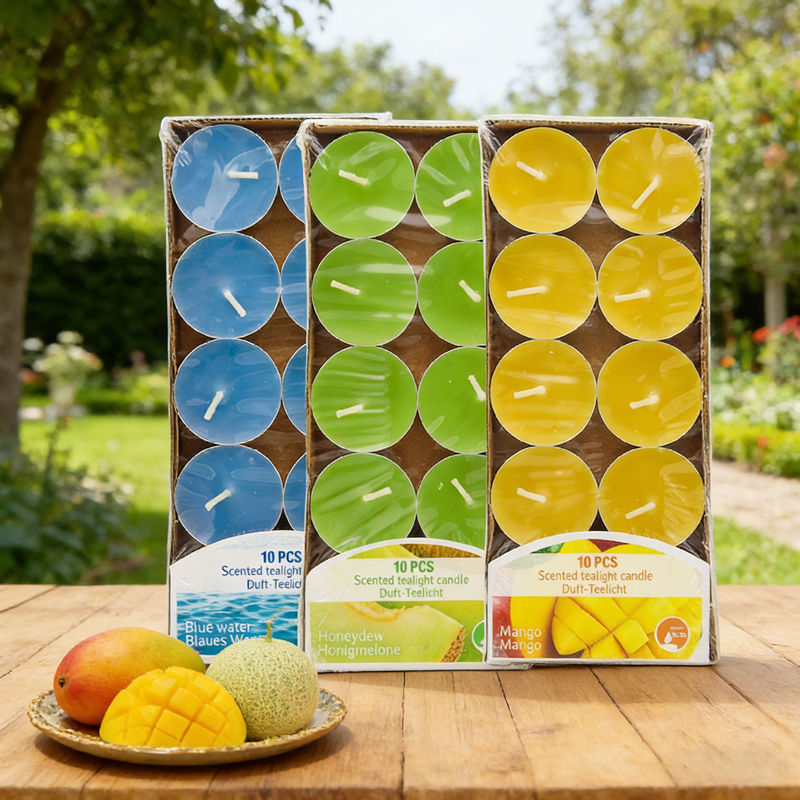
In the home lifestyle market, the simplest objects often carry the longest commercial life. Brands have watched consumers move between minimal interiors, seasonal styling, wellness routines, hospitality-inspired spaces, and ceremonial settings, while still returning to familiar forms that feel quiet, adaptable, and easy to understand. Candle products sit inside this wider movement because they connect atmosphere with habit, and they can shift meaning through size, texture, placement, packaging, and story. As retailers refine their own visual worlds, classic wax forms are being reconsidered not only as products, but as brand carriers. Within this context, White Pillar Candles, private label pillar candles, and home decor candles offer a useful lens for thinking about product concept, identity, and long-term assortment structure.
White Pillar Candles as a Brand Concept
White Pillar Candles are powerful because their meaning is not overly fixed. They can suggest calm, purity, ceremony, simplicity, hospitality, or quiet luxury depending on how a brand frames them. For brand owners, this flexibility matters. A White Pillar Candle can appear in a wedding scene, a spa corner, a dining table arrangement, or a seasonal window display without feeling out of place. The same product shape can move across emotional registers while keeping a stable visual identity.
This is why decorative candles in this format should not be treated as plain commodities too quickly. Their conceptual strength comes from restraint. Unlike highly colored or novelty designs, the white surface leaves room for context. In wedding candles, the meaning may lean toward softness and union. In church candles, it may connect with reverence and continuity. For brands, the challenge is to decide which of these associations should lead the story, rather than allowing the product to remain anonymous.
A strong concept begins with understanding silence as a design language. White wax, a clean cylinder, and a steady flame can communicate more than complex decoration when the surrounding brand system is clear. White Pillar Candles can therefore become a foundation product that supports other seasonal, scented, or gift-oriented extensions.
Private Label Pillar Candles and Visual Identity
Private Label Pillar Candles give brands the opportunity to turn a familiar object into a recognizable signature. The private label process should not be reduced to adding a logo. It is better understood as a complete alignment between product proportion, surface finish, packaging tone, and retail narrative. When these details are coherent, White Pillar Candles can feel specific to a brand even if the basic form is widely known.
In concept development, custom pillar candles allow a brand to define its own rhythm. A taller form may feel ceremonial and architectural, while a shorter form may feel intimate and domestic. Pillar candle sets can create visual layering for shelves, photography, and interior styling. The design does not need to be complicated, but it does need to be deliberate. A brand that focuses on home decor candles may prefer soft packaging, neutral typography, and calm lifestyle imagery, while another brand may choose a more formal, event-oriented presentation.
The idea of identity also extends to touch. A smooth wax surface, a slightly matte appearance, a clean edge, and a stable base all influence how customers perceive the brand. Even before lighting, the product communicates standards. For brand owners, concept and manufacturing quality are inseparable because the physical object is the first proof of the brand’s promise.
Custom Pillar Candles Across Retail and Ceremony
Custom Pillar Candles are especially useful because they can serve both everyday and ceremonial markets. In retail, they may sit near ceramics, table linens, fragrance products, or seasonal displays. In events, they may be used for atmosphere, repetition, and visual structure. Event candles often need consistency across larger quantities, while restaurant candles must fit the mood of the room without becoming intrusive. Hotel candles may need to express calm refinement and match interior design standards.
The same product can shift meaning through placement. On a dining table, it can suggest warmth and hospitality. In a reception area, it can suggest care and atmosphere. In a ceremony, it can suggest continuity and presence. White Pillar Candles work well in these situations because they do not compete strongly with surrounding colors or materials. They support the scene rather than dominate it.
For brand owners, this makes the format useful as a bridge between channels. Bulk pillar candles may be developed for event planners or hospitality buyers, while a more refined retail version can use better packaging and a more curated presentation. The conceptual base remains consistent, but the expression changes according to customer expectation. This ability to adapt is one reason the format remains relevant across both commercial and emotional settings.
Unscented Pillar Candles, Scented Pillar Candles, and Product Meaning
Unscented Pillar Candles and Scented Pillar Candles represent two different interpretations of the same form. The unscented version often works best where fragrance could distract from food, ceremony, or shared space. It emphasizes visual calm, flame quality, and compatibility with other surroundings. The scented version adds another layer of storytelling and can move closer to the home fragrance category, where mood and memory become part of the product experience.
A White Pillar Candle without fragrance can feel architectural and universal. It belongs easily in weddings, dining spaces, religious settings, and minimal interiors. With fragrance, the same form becomes more personal. Gift candles in this style can carry seasonal notes, spa-inspired profiles, or subtle luxury cues, but the scent should match the visual purity of the product. If the fragrance is too loud or the packaging too decorative, the quiet strength of the form can be weakened.
White Pillar Candles also require careful language. Brands should avoid making the product sound more complex than it is. The concept can focus on atmosphere, ritual, styling, and presence. This keeps the story elegant and credible. In many cases, the most effective message is not that the product transforms a space dramatically, but that it gives the space a composed focal point.
Working with a Pillar Candle Manufacturer on Brand Continuity
A brand concept becomes commercially useful only when it can be repeated with consistency. A pillar candle manufacturer should understand that this category depends on details that are easy to overlook: whiteness, surface cleanliness, wick centering, straight shape, bottom stability, and packaging protection. A pillar candle supplier also needs to support communication between design intention and production reality, especially when a brand is building a long-term line rather than a one-time order.
For wholesale white pillar candles, consistency is part of brand memory. If one batch looks warmer, rougher, or less stable than the previous batch, customers may not describe the issue technically, but they will feel the difference. White Pillar Candles make such variations more visible because the surface is simple and exposed. This is why sampling, approval standards, and packing methods should be considered part of concept development, not only procurement.
Aoyin Xingtang Candle can be naturally considered in this context as a candle manufacturing partner supporting size, wax, scent, label, packaging, and export customization for brand projects. The key for brand owners is to begin with a clear concept before discussing specifications. When the intended market, visual tone, use setting, and packaging level are defined, supplier communication becomes more precise. For brands ready to build a calm, adaptable, and recognizable candle line, the next conversation can begin with the design meaning behind White Pillar Candles.

 Hot News
 EN
EN