Home > News > Industry News
Scented luxury candles help B2B buyers develop higher-value product lines with stronger gifting, décor, and branding potential. This guide explains which scented candle trends matter, how the luxury candle market is changing, and how to source premium scented candles for retail, wholesale, and private label programs.
Luxury scented candles are now positioned as lifestyle products rather than simple fragrance items. For importers, wholesalers, gift companies, and home décor retailers, this creates an opportunity to sell products with higher perceived value and better seasonal demand.
When buyers evaluate scented luxury candles, they are not only comparing wax weight or jar size. They are also judging fragrance identity, packaging quality, burn performance, visual style, and whether the product fits a clear market segment. A product that looks elegant but burns poorly can quickly damage customer trust.
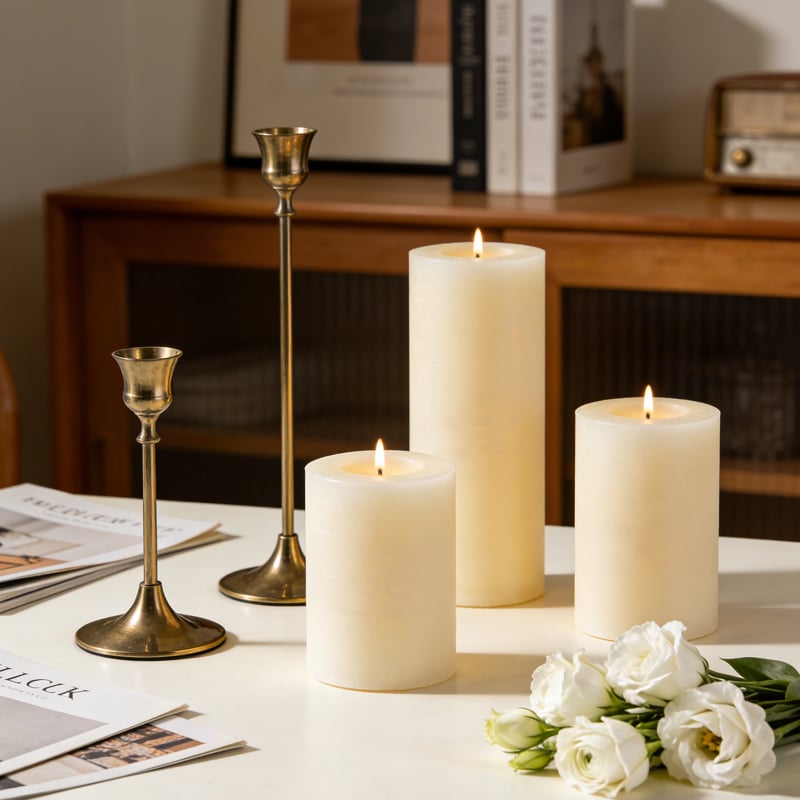
High-end scented candles are especially suitable for boutique retail, hotel amenities, spa collections, corporate gifts, and holiday sets. These channels often care about presentation and storytelling, so buyers should think beyond basic specifications.
The luxury candle market is becoming more competitive because many brands now offer similar shapes and scents. To stand out, buyers need clearer product positioning, better packaging decisions, and more reliable supply planning. Choosing the right scented candle supplier can help reduce trial-and-error costs during product development.
Natural wax scented candles are gaining attention as consumers show more interest in cleaner formulas and quality materials. Soy wax, coconut wax, beeswax, and blended wax formulas can support a more premium image, but each option affects melting point, surface appearance, scent release, and final cost.
Sustainable scented candles are also becoming more important in many markets. Buyers can improve product appeal by using recyclable glass jars, reusable containers, paper packaging, reduced plastic, or refill concepts. Sustainability does not always require expensive materials; it can also come from smarter design and practical packaging choices.
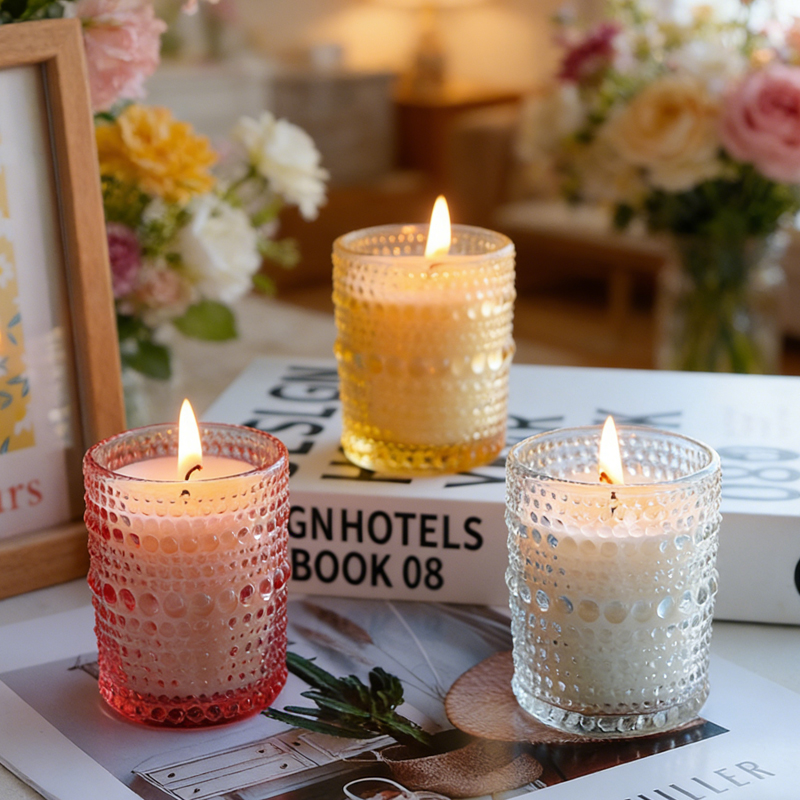
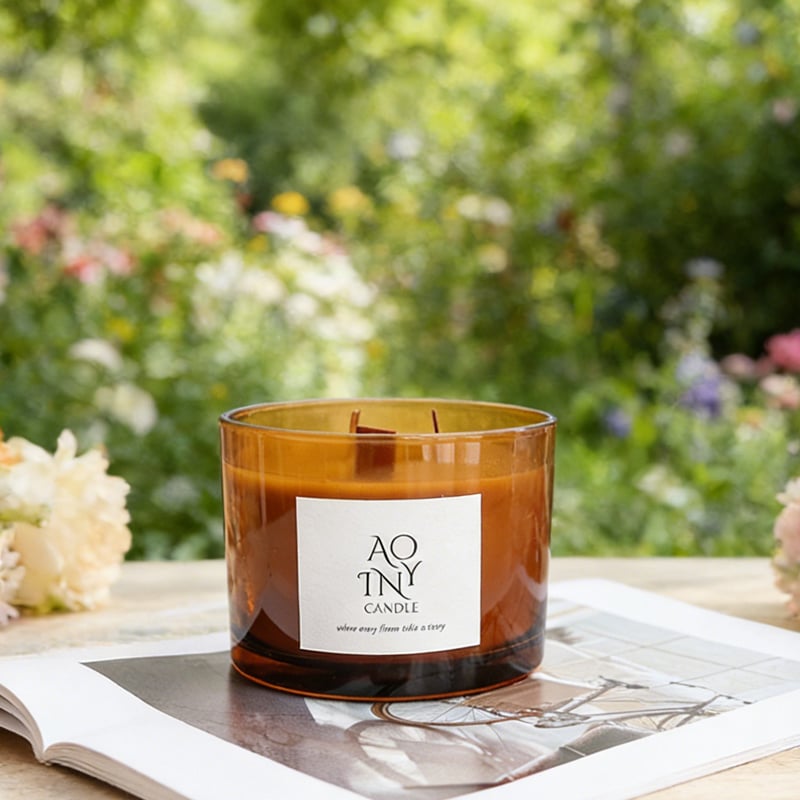
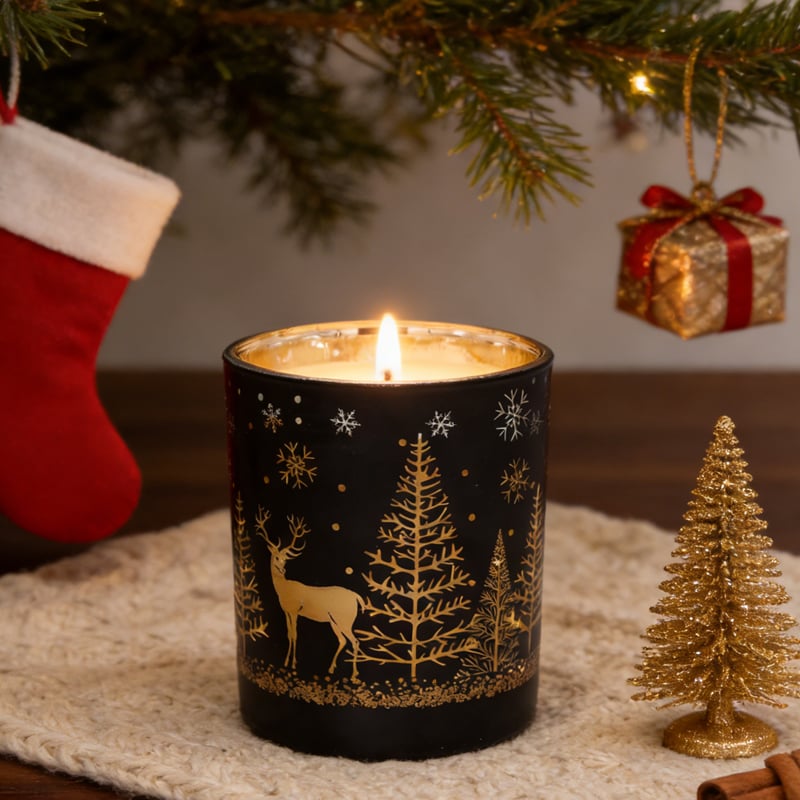
Luxury candle packaging is one of the strongest factors behind premium pricing. A matte glass jar, ceramic vessel, embossed label, metal lid, wooden lid, or rigid gift box can make a product more suitable for gift shops and online retail. However, better packaging must also survive international transport.
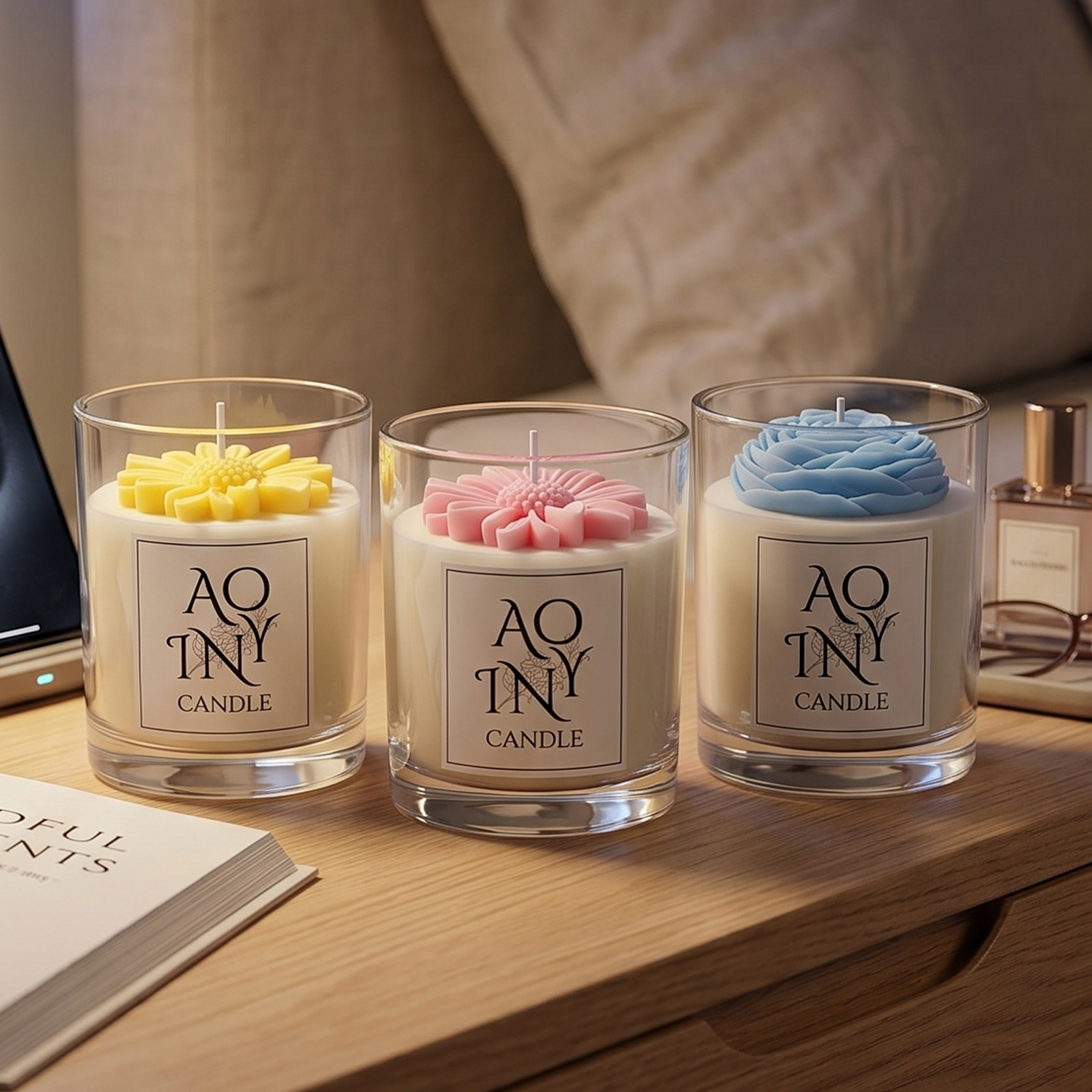
Private label scented luxury candles are growing because retailers and online brands want exclusive collections instead of generic catalog products. Buyers can create signature lines with unique fragrance names, custom colors, brand labels, and seasonal box designs.
Custom luxury scented candles allow buyers to build products around a target audience. For example, spa customers may prefer calm herbal notes, while gift retailers may need floral, vanilla, amber, or festive collections.
|
Development Area |
Market Direction |
Buyer Action |
|
Wax formula |
Natural wax scented candles |
Test burn time, surface finish, and fragrance release |
|
Packaging |
Luxury candle packaging |
Match box quality with retail price level |
|
Sustainability |
Sustainable scented candles |
Use recyclable jars and reduced plastic where possible |
|
Branding |
Private label scented luxury candles |
Build exclusive fragrance and label collections |
|
Wholesale planning |
Wholesale luxury scented candles |
Confirm carton strength, lead time, and reorder stability |
Premium scented candles should be developed according to the buyer’s sales channel. A supermarket buyer may need competitive price points and strong shelf impact, while a boutique retailer may focus more on fragrance complexity, container texture, and brand story. A hotel or spa buyer may prefer calm scents, clean labels, and a consistent atmosphere across rooms or service areas.
For luxury scented candles, fragrance selection is one of the most important decisions. Classic notes such as vanilla, lavender, rose, and citrus remain popular, but many higher-end collections now use layered scents such as sandalwood, amber, oud, fig, green tea, sea salt, white musk, or floral woody blends. Buyers should match fragrance families with local preferences and seasonal demand.
OEM scented candles are useful when buyers want products for specific campaigns, holidays, corporate gifts, hospitality projects, or retail collections. This model gives buyers more flexibility in fragrance, jar color, label design, lid material, and box structure.
Bulk luxury candles are better suited for distributors, event suppliers, and large seasonal orders. In this case, buyers should pay close attention to consistency, packing efficiency, and delivery schedules because large-volume products must be easy to store, ship, and reorder.
Wholesale scented candles can support core product lines with stable demand. Buyers may start with several classic fragrances and then expand into limited seasonal ranges after testing customer response.
A qualified custom scented candle manufacturer should help buyers test wax, wick, fragrance ratio, container compatibility, and packaging strength before production. This is especially important when using fragile glass, ceramic jars, or heavy gift boxes.
1. Define the target customer before developing scented luxury candles.
2. Choose fragrance families that match premium scented candles and local buying habits.
3. Decide luxury candle packaging early because it affects product cost and shipping volume.
4. Source wholesale luxury scented candles only after confirming samples and burn tests.
5. Use bulk luxury candles for event suppliers, distributors, and large seasonal programs.
6. Test sustainable scented candles for both appearance and real burning performance.
Choosing a luxury candle manufacturer is not only about comparing unit prices. B2B buyers should evaluate production capability, sampling speed, communication quality, export experience, quality control, and packaging support. These factors directly influence whether a product can move smoothly from idea to repeat order.
A good supplier should provide clear specifications, including wax type, fragrance ratio, wick size, burn time, jar dimensions, label method, box structure, carton details, and loading information. Buyers should also request samples and test them under realistic conditions before confirming large-volume production.
A reliable private label candle supplier can support brand owners with logo design, fragrance matching, color selection, packaging artwork, and product series planning. This is useful for buyers who want to create a recognizable collection instead of selling only standard items.
Aoyin Xingtang Candle can support international B2B buyers with customization in scent, size, logo, container style, and packaging. For buyers developing new retail or wholesale programs, this type of factory support can help make product development more efficient.
The best sourcing strategy is to connect market demand with practical product development. Buyers should start with target customers, select suitable fragrances, confirm packaging level, test samples, and then place orders based on realistic sales channels.
If your business is preparing a new home fragrance, gift, hotel, or private label collection, now is a good time to compare samples and plan production early. With the right design direction and manufacturing partner, scented luxury candles can become a profitable and repeatable category for B2B buyers.
 Hot News
Aoyin Xingtang Candle Co., Ltd., founded in January 2014, is situated Hebei Province. it features 5 production lines and over 400 machines, specializing in scented candles, tea lights, jar candles, pillar candles, and more.
Fengjiazuo Village West, Yuting Township, Shijiazhuang, Hebei, China
Copyright © Aoyin Xingtang Candle Co., Ltd. All Rights Reserved Privacy Policy
 EN
EN