Home > News > Industry News
The home fragrance market has developed from simple household scenting into a broader lifestyle category shaped by interior design, gifting culture, wellness language, and seasonal retail. Earlier candle sales often depended on local stores and limited scent choices, while modern buyers now compare visual identity, fragrance story, packaging style, and repeat supply across online and offline channels. Retailers, importers, gift shops, and lifestyle brands are also expected to manage collections rather than isolated products. In this wider commercial background, scented candles wholesale has become part of category planning, while home fragrance candles and gift candles reflect how buyers organize scent products for different consumer occasions.
Scented candles wholesale should be understood as a product-line decision rather than a simple bulk purchase. A buyer is not only selecting wax and fragrance; they are shaping how a category appears on the shelf, how it fits a price range, and how customers recognize the brand’s scent direction over time. This is why scented candles need to be considered together with container style, fragrance naming, color language, and display rhythm.
For B2B buyers, wholesale candles serve multiple roles. They can support daily retail sales, seasonal campaigns, hotel amenities, spa corners, gift programs, and online bundles. Home fragrance candles often work best when the collection has a clear structure, because customers usually compare scents by mood and setting. A clear scented candles wholesale plan helps the buyer move from random selection to a more coherent assortment logic.
Scented candles are strongly connected with emotion, memory, and atmosphere, so fragrance selection is the center of product positioning. A floral scent may suggest softness and familiarity, while citrus may feel bright and clean. Woody notes can create a more refined or mature image, and gourmand scents may suit seasonal gifting or cozy home settings. Fragrance candles are therefore not only scent carriers; they are also language tools for retail storytelling.
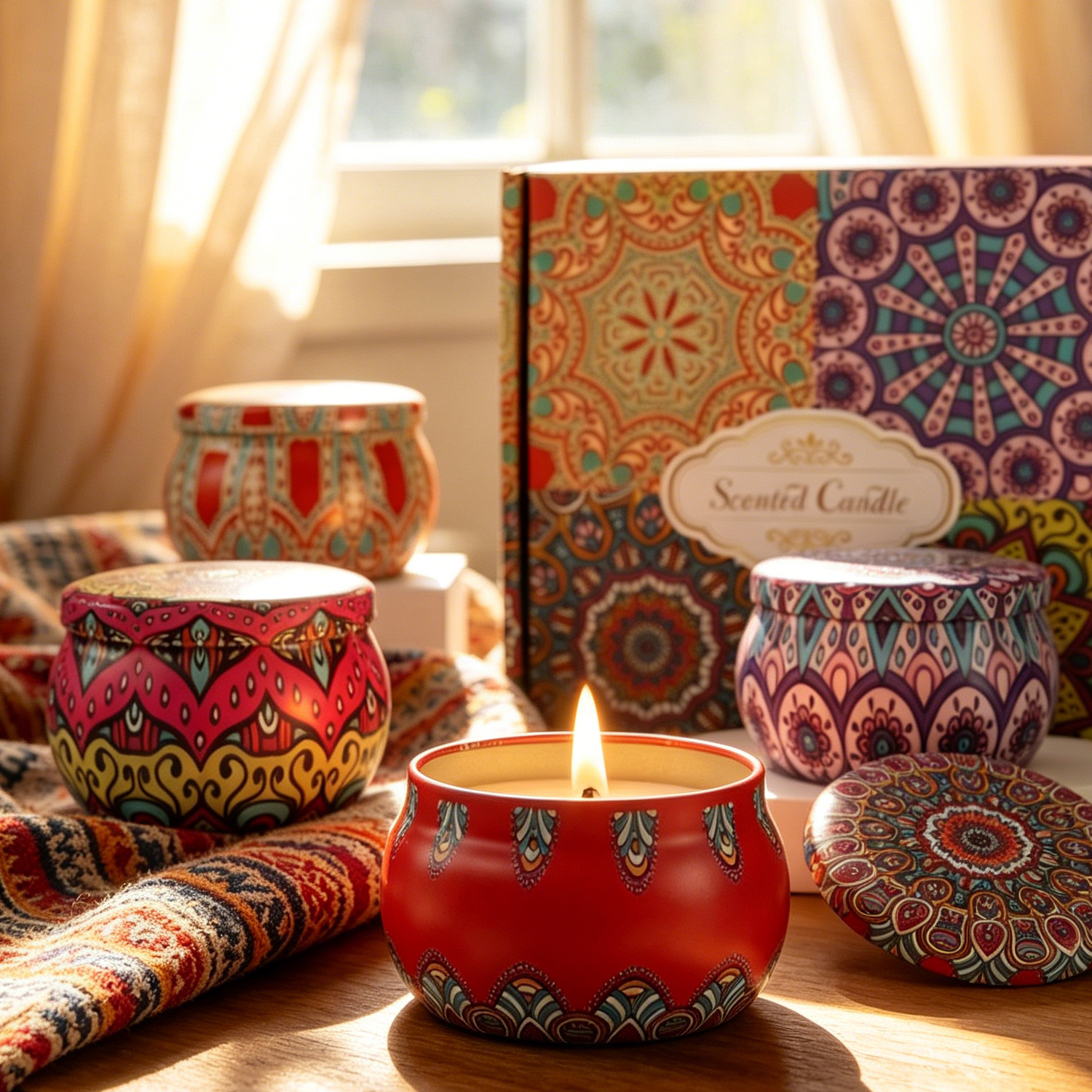
Scented candles should be selected according to the buyer’s customer group. A lifestyle boutique may prefer soft woody, amber, linen, or tea-inspired directions, while a gift store may need easier, more recognizable names. Aromatherapy candles can fit a relaxation-oriented product line when the wording stays focused on mood and atmosphere rather than medical effects. Luxury scented candles may rely more on layered fragrance, refined vessels, and restrained design. Gift candles usually need a clear occasion, because buyers often choose them for birthdays, holidays, housewarming, thank-you gifts, and seasonal displays.
Soy wax candles are widely used in B2B product planning because soy wax carries a plant-based and lifestyle-friendly material image. For many buyers, this image supports natural colors, simple labels, and calm fragrance themes. However, material identity should not replace performance review. Wax type, wick matching, fragrance load, and vessel shape all influence how the product burns and how the scent releases.
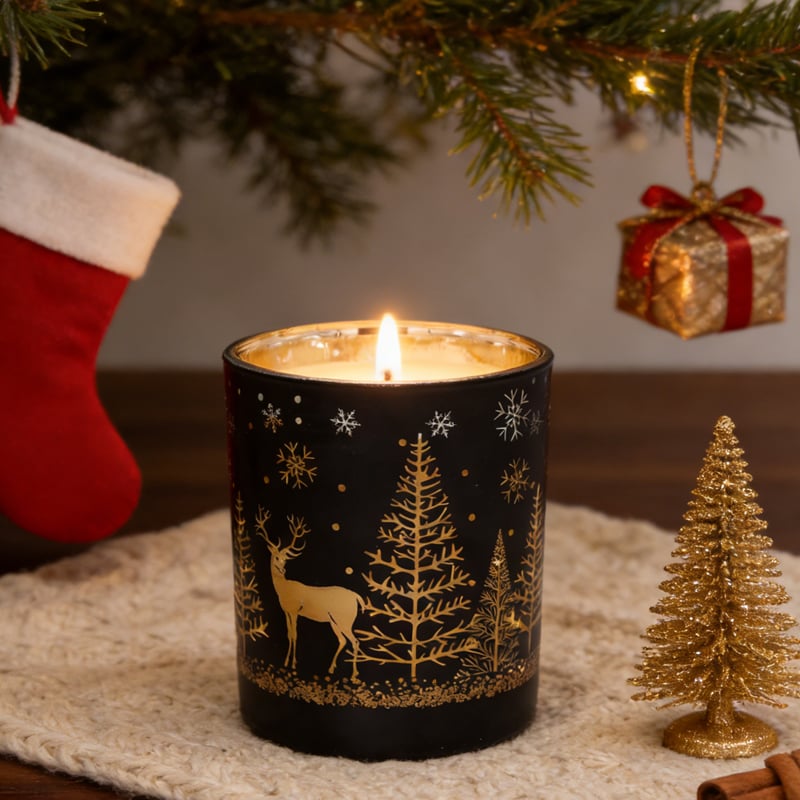
Glass jar candles remain one of the most common formats because they are easy to understand visually and convenient for retail presentation. The jar protects the wax, supports label placement, and allows the product to feel complete on a shelf or product page. Soy wax candles in glass containers can work well for minimalist, wellness-inspired, or everyday home lines, while glass jar candles with colored vessels or lids may suit more decorative collections.
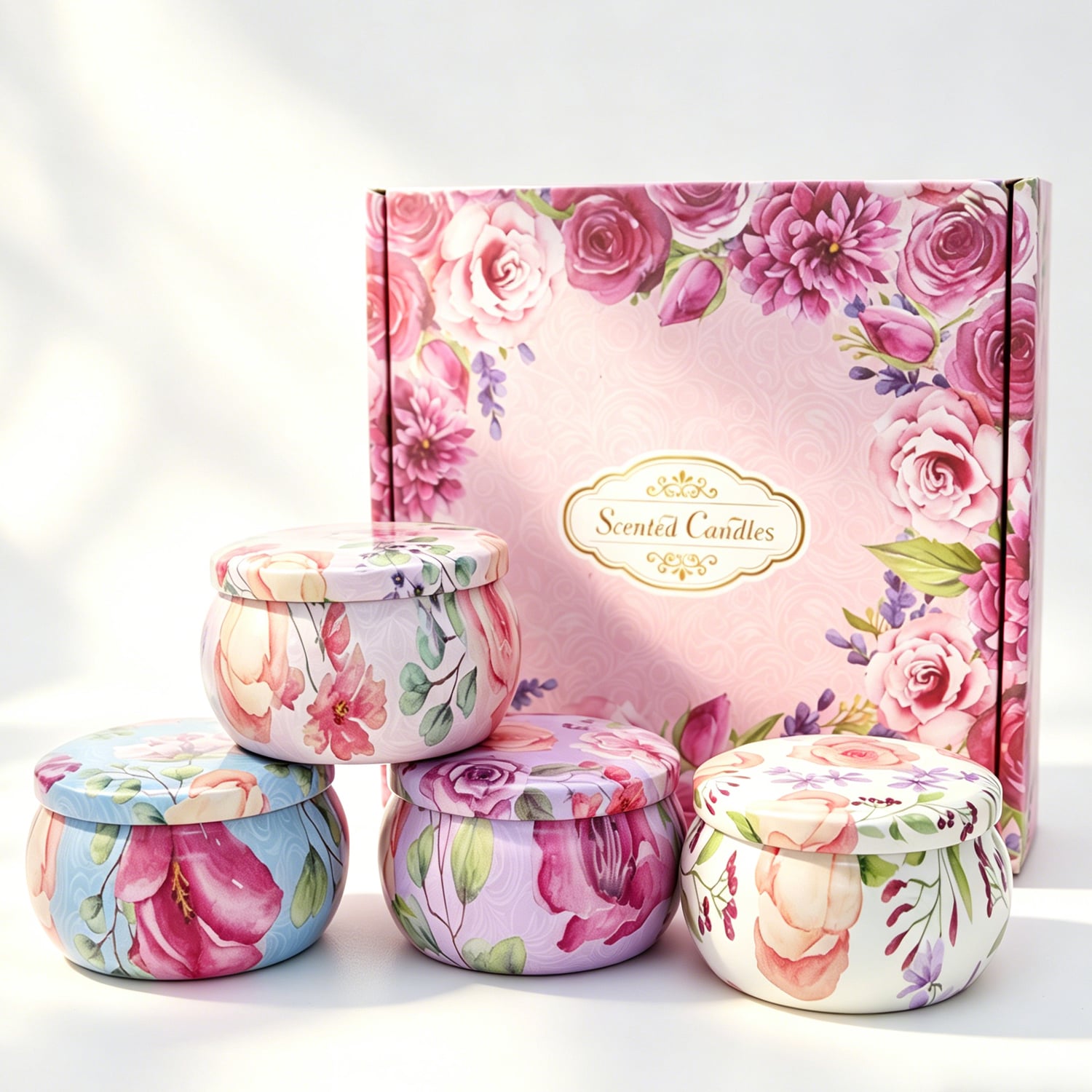
Candle packaging is part of the product concept, not only a protective layer. A box, label, lid, warning sticker, and carton structure all affect how the buyer perceives the item before lighting it. Scented candles may be purchased first through visual trust, especially online, so packaging should express the same tone as the fragrance.
Private label candles allow retailers and brand owners to enter the market with a controlled visual identity. The buyer can use an existing formula or base design while adding brand labels, outer boxes, scent names, and collection themes. This model is useful when a business wants to test the market without developing every detail from the beginning.
OEM candles support a deeper level of customization. A buyer may request a specific vessel, wax blend, color, fragrance direction, label material, lid style, or gift box structure. Custom candles can also help a brand build a more distinctive assortment when the market already contains many similar products. In this process, communication with a candle manufacturer should connect creative ideas with production limits, while a candle supplier should help translate the concept into repeatable sampling and order details.
Aoyin Xingtang Candle can be naturally mentioned in this context as a production partner supporting customized candle projects, packaging coordination, logo application, and export-ready supply for international buyers. The key is to keep customization aligned with the product line rather than adding decoration without a clear retail purpose.
Wholesale candles require planning beyond the first order. A buyer may start with a small selection, but the real test comes when the product needs replenishment, seasonal adjustment, or expansion into new channels. If the fragrance, wax color, label, carton, or vessel changes too much between batches, the retail line may lose consistency.
Bulk candles are especially sensitive to packaging and logistics. Glass containers can break, labels can scratch, lids can loosen, and wax can be affected by heat during storage or transport. Wholesale candles should therefore be reviewed as physical inventory, not only as product photos. Bulk candles also need clear carton labeling, inner protection, and practical storage expectations.
A reliable candle manufacturer should be able to explain sample development, wick testing, production control, and packaging protection in practical terms. A capable candle supplier should also understand market timing, especially before holiday seasons, gifting peaks, and large retail promotions. For B2B buyers, supplier coordination is part of product line stability.
Candle packaging connects product meaning with commercial function. In a retail store, packaging frames the fragrance before the customer smells it. In ecommerce, it becomes part of photography, shipping confidence, unboxing experience, and review quality. For B2B product line planning, packaging should match the price level, scent story, and sales channel.
A strong sourcing direction begins with a clear view of the intended collection. Buyers should define whether the line is everyday, seasonal, spa-inspired, luxury-oriented, gift-focused, or private brand-driven. From there, fragrance, wax, vessel, packaging, and supplier communication can follow the same concept. When the category is planned as a complete system, the next step is to discuss samples and specifications around scented candles wholesale.
 Hot News
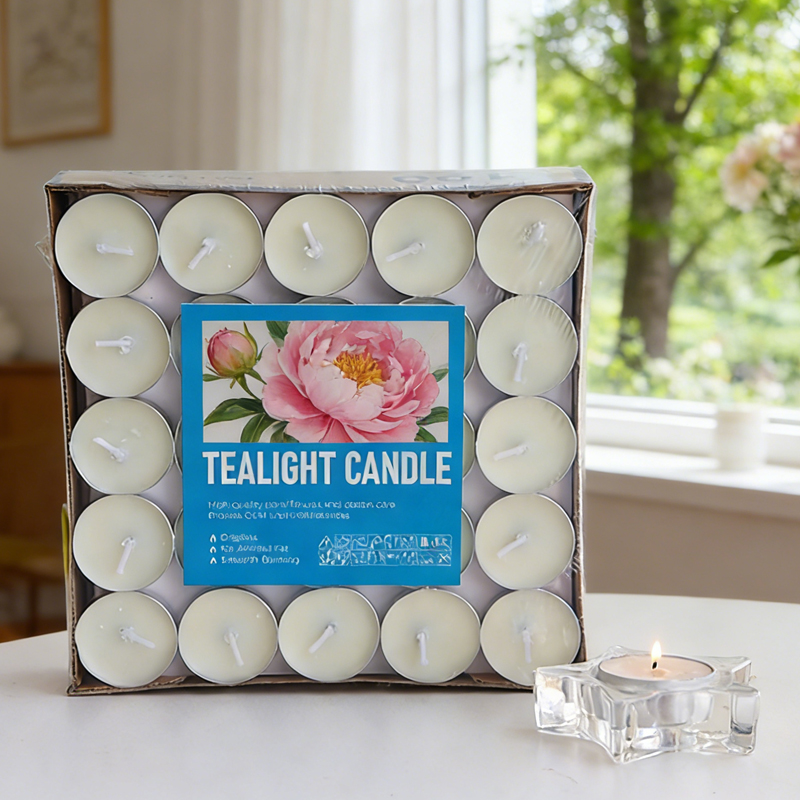
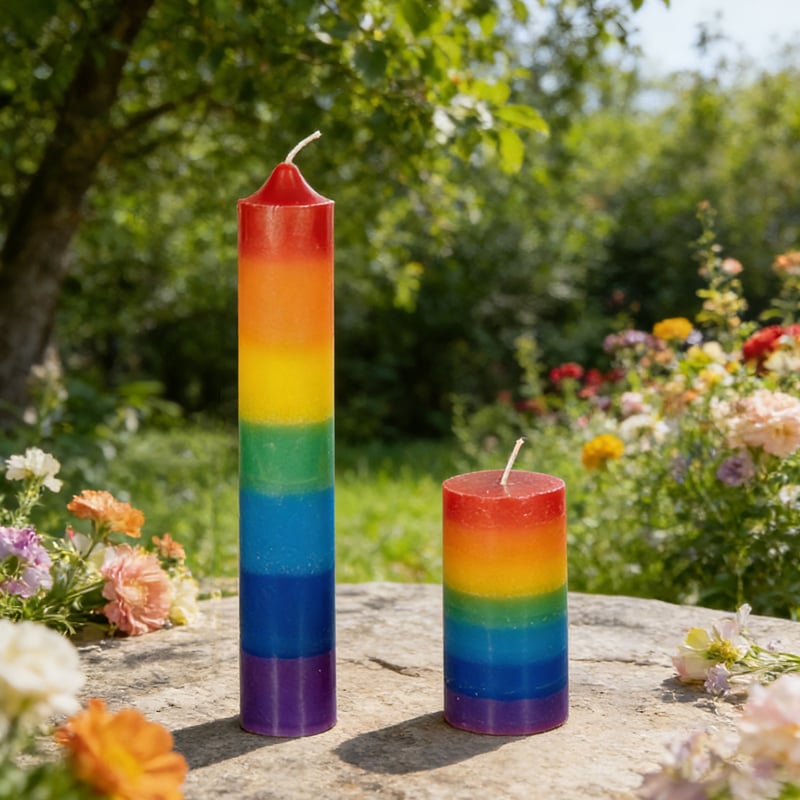
Aoyin Xingtang Candle Co., Ltd., founded in January 2014, is situated Hebei Province. it features 5 production lines and over 400 machines, specializing in scented candles, tea lights, jar candles, pillar candles, and more.
Fengjiazuo Village West, Yuting Township, Shijiazhuang, Hebei, China
Copyright © Aoyin Xingtang Candle Co., Ltd. All Rights Reserved Privacy Policy
 EN
EN