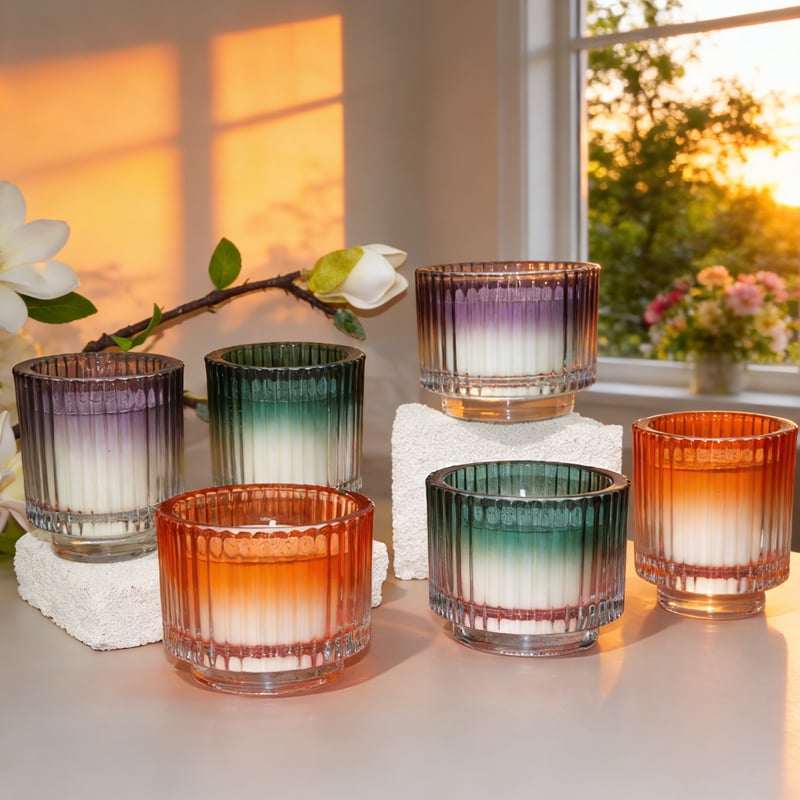
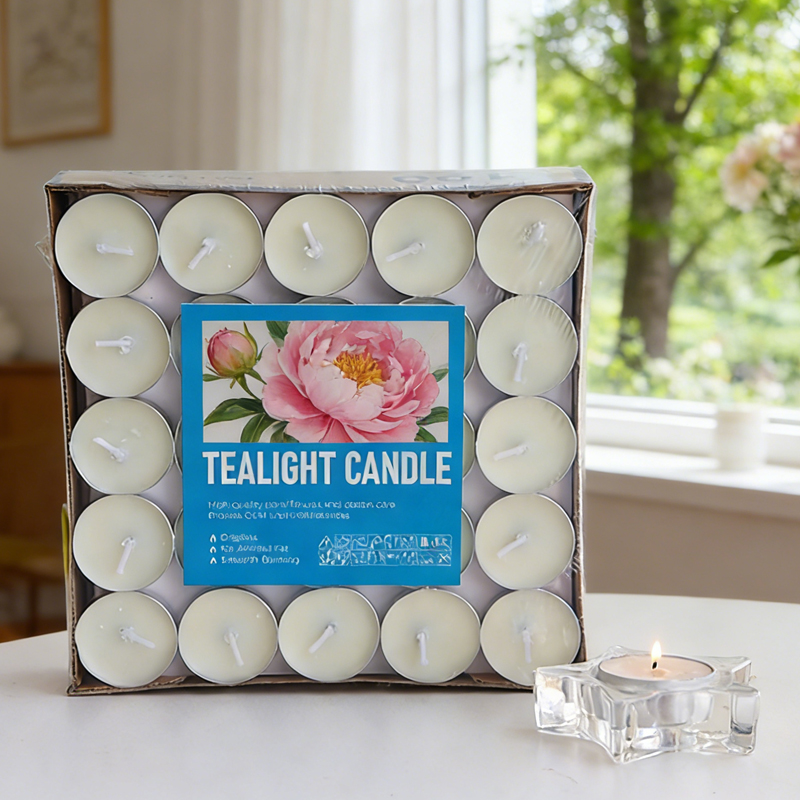
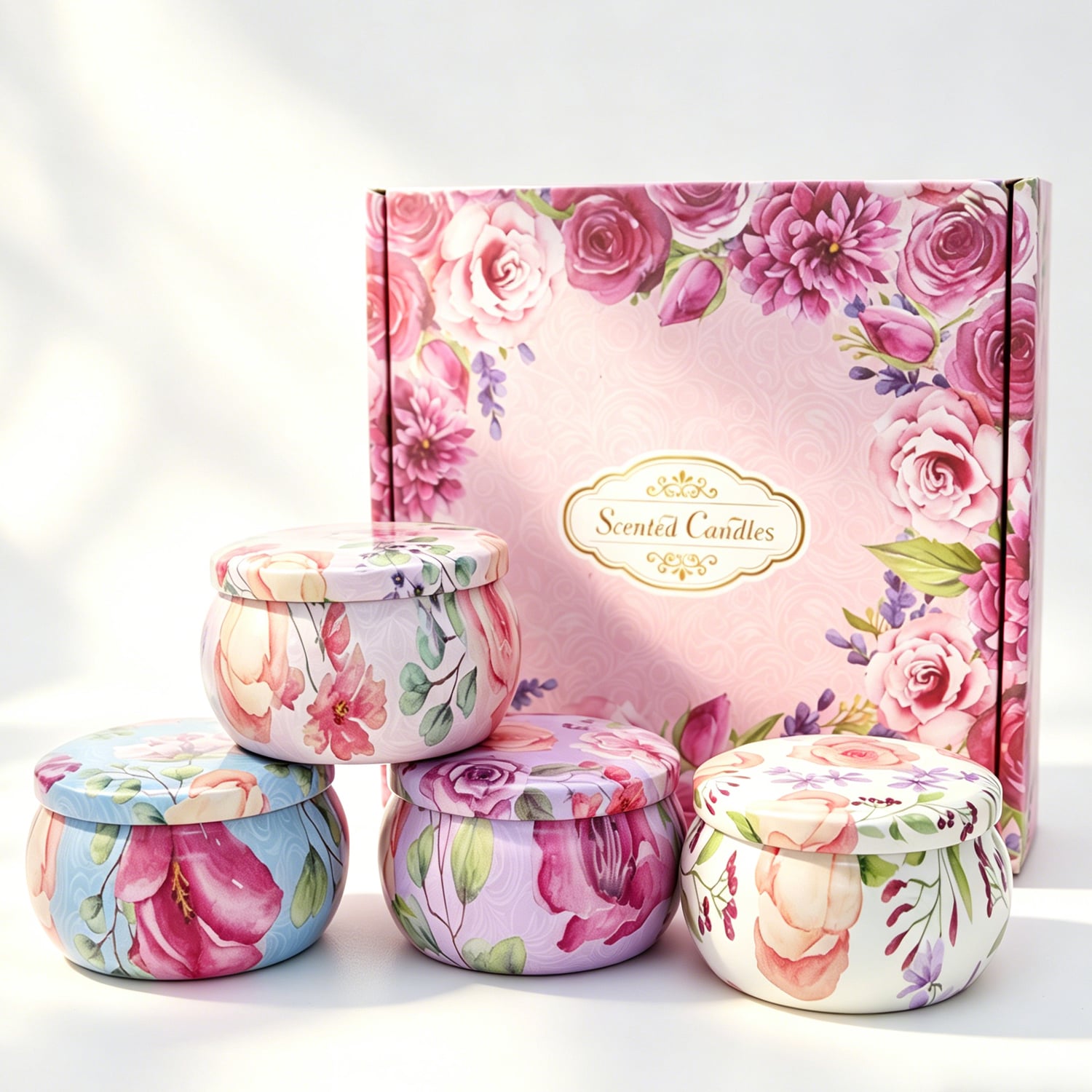
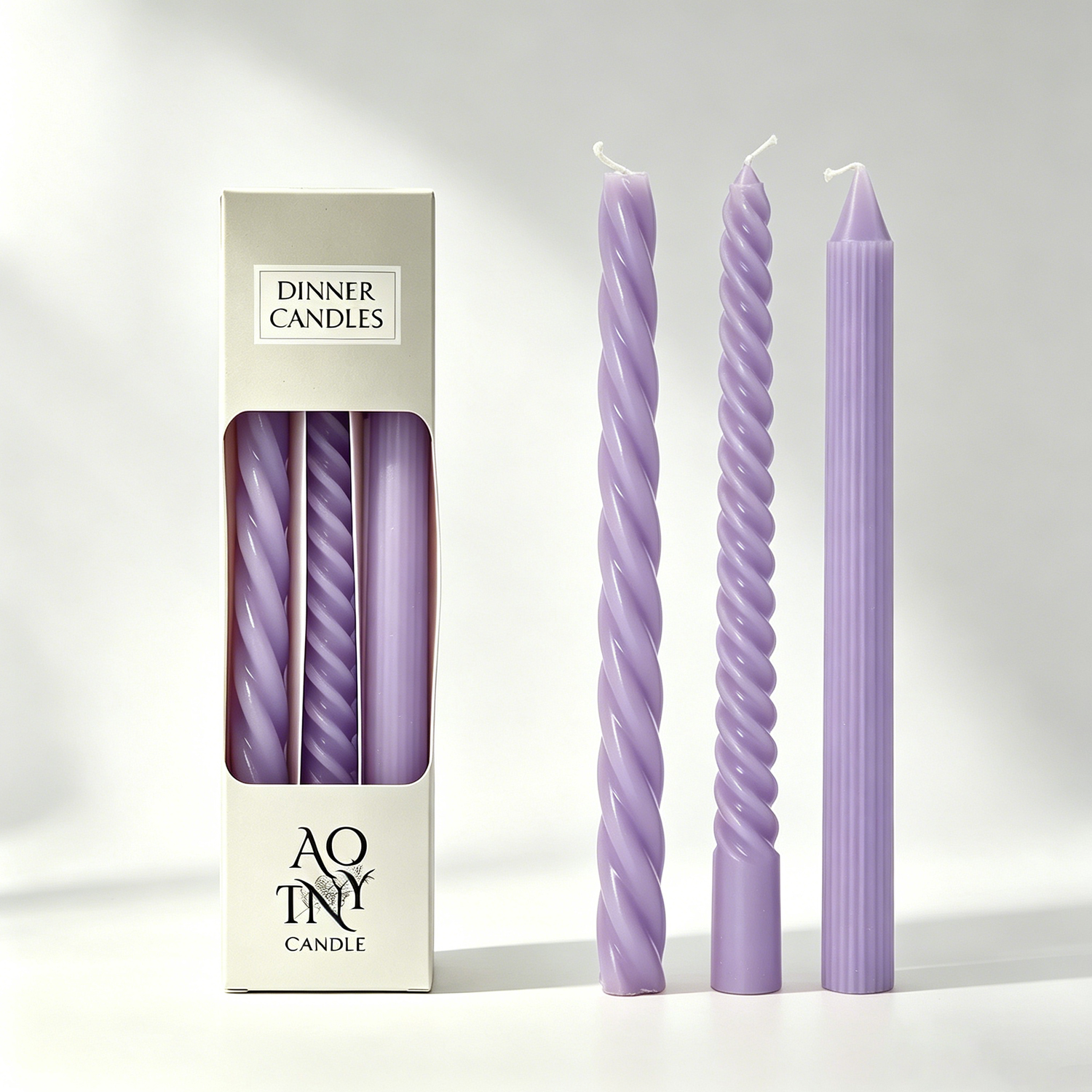
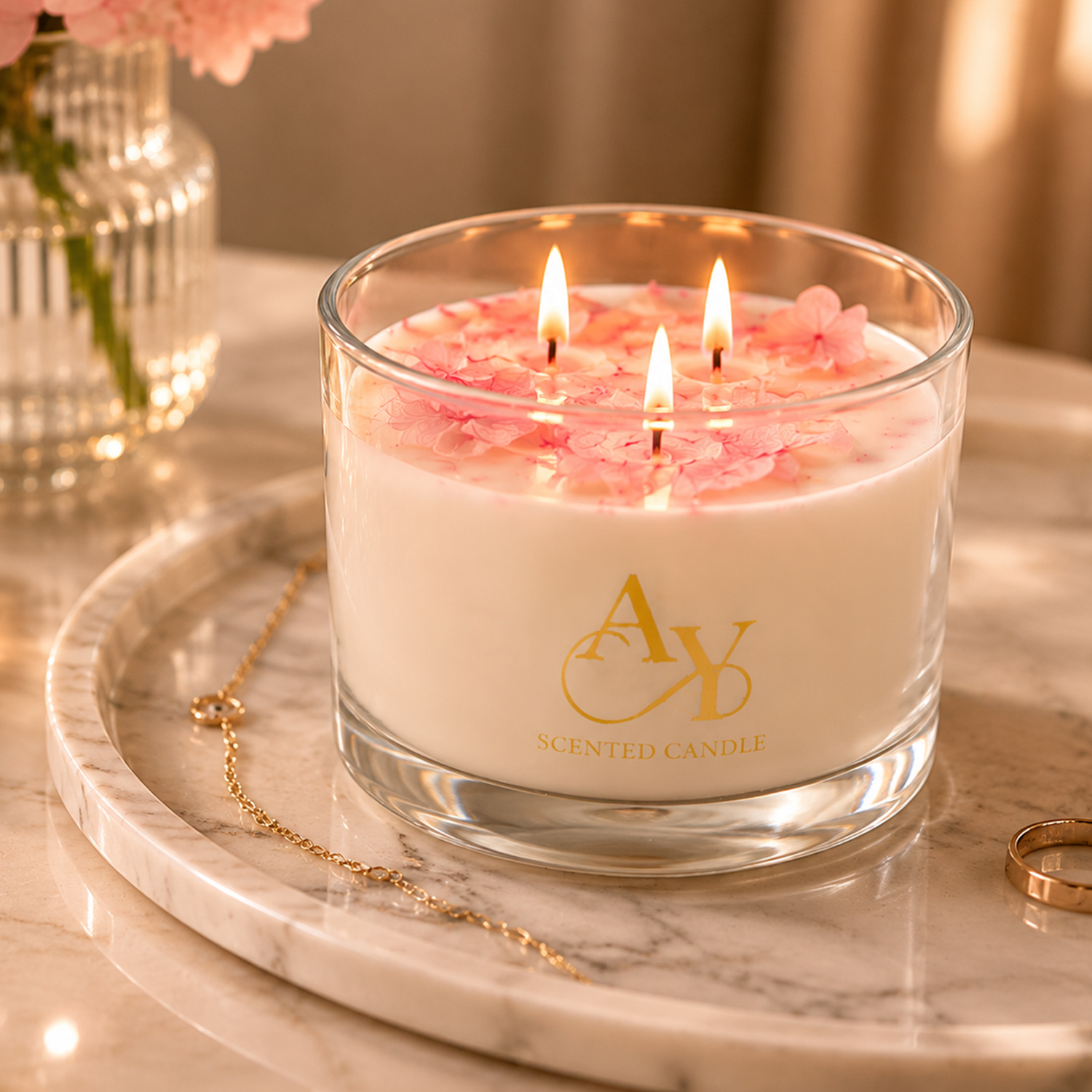
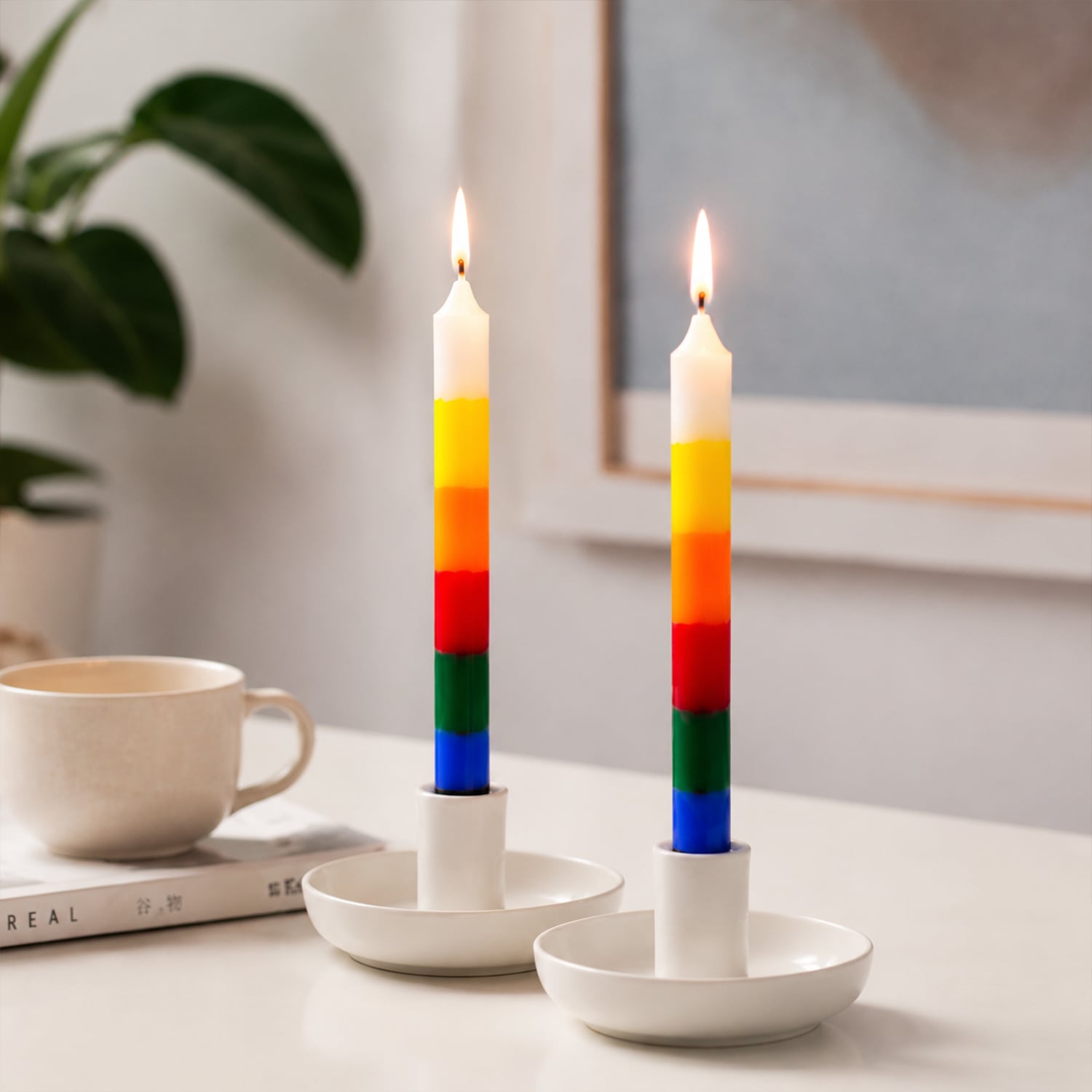
エッセンシャルオイル入りキャンドルは、スパやホテルの調達担当者が香り・パッケージ・サプライヤーを選定する際の試行錯誤を減らします。本ガイドでは、アロマセラピー用キャンドル、スパ向けキャンドル、ホテル向けキャンドルを、ゲスト体験・コスト・安全性・再購入のしやすさといった実務的な観点から具体的な判断材料へと変換します。
重視すべきは、誇大なウェルネス効果ではなく、あくまでゲストの快適さです。スパの施術室内では、アロマセラピー用キャンドルは落ち着いたサービス環境を支える存在であるべきで、客室ではリラクゼーションキャンドルが心地よい香りを放ちつつ、主張しすぎないことが大切です。また、ホテルチェーンでは、ウェルネスキャンドルをウェルカムギフトやVIP向けアメニティ、ロビーのディスプレイ、売店の商品などにも活用することで、付加価値を高めることができます。
ホテル用キャンドルは、宿泊客の好みや感度が多様であるため、家庭用製品よりも香りの管理を厳しく行う必要があります。 boutique店で好評だった香りでも、狭い客室では強すぎると感じられることがあります。スパ用キャンドルには別の課題があります。マッサージ、フェイシャル、ヨガ、入浴などのサービスと調和し、既に施術で使用されているエッセンシャルオイルと衝突しない香りを選ぶ必要があります。
エッセンシャルオイル入りキャンドルは、「気分」「空間づくり」「日常の儀式」を軸に提案するのが最も効果的です。たとえば、就寝前のリラクゼーション向けキャンドルは、ターンダウンサービスのギフトセットに組み込むことができますが、パッケージには「不眠を治す」など医療効果をうたう表現は避けなければなりません。「静かな夜のルーティンをサポートするように設計」や「柔らかな就寝前の雰囲気を演出」など、配慮のある表現が望まれます。
|
購入シナリオ |
製品の向き |
実用的な判断 |
|
トリートメントルーム |
スパ用キャンドル |
穏やかでハーブ系またはウッディ系の香り、かつ香りの強さは中程度のものを選ぶ |
|
ゲストルーム |
ホテル用キャンドル |
清潔で広く受け入れられている香りを用い、安全性に関する明確な表示を行う |
|
ロビーリテール |
リラクゼーション用キャンドル |
洗練されたパッケージと贈答品として映える外観を重視 |
|
ターンダウンギフト |
睡眠用キャンドル |
やさしい香りと落ち着いた色合いのデザインを選択 |
|
ヨガスタジオ |
瞑想用キャンドル |
サンダルウッドやフランキンセンスなどの「地に足のついた」香りを活用 |
|
ウェルネスパッケージ |
ウェルネスキャンドル |
アメニティ全体で一貫した香りのストーリーを構築 |
|
バスプログラム |
アロマセラピーキャンドル |
バスソルト、オイル、タオルなどと香りを合わせる |
|
エコを重視したホテル |
天然エッセンシャルオイルを使用したキャンドル |
ワックスの原料、パッケージ、成分表示を確認 |
最も効果的な香り戦略は、それぞれの空間に明確な利用目的を照らし合わせて選ぶことです。天然エッセンシャルオイルを使用したキャンドルは高級感を演出できますが、実際の部屋サイズでの香りの拡散性能は必ず検証する必要があります。アロマセラピー用キャンドルは、点火後の使用中にも心地よい香りであることが求められます。開封時の見た目や香りの印象だけではなく、実際に燃やしたときの体験が重要です。
スパやホテル向けの調達では、担当者の個人的好みだけで香りを選ばないでください。トリートメントルーム、バスルーム、ロビー、およびサンプル客室など、実際の設置場所で試験的に焚いて確認しましょう。また、「コールドスロー(未点火時の香り)」と「ホットスロー(点火後の香り)」の両方を評価してください。コールドスローは顧客が箱を開けた瞬間の第一印象を左右し、ホットスローは点火後の実際の空間体験に影響します。
|
空間・サービス別 |
適した製品表記 |
推奨ポイント |
判断のヒント |
|
マッサージルーム |
スパ用キャンドル |
ラベンダー、ユーカリ、レモングラス |
マッサージオイルの香りと競合しないよう、香りは控えめに保つ |
|
客室備品 |
ホテル用キャンドル |
ホワイトティー、シダーウッド、コットン、さわやかな柑橘系 |
受け入れられやすいニュートラルな香りを選ぶ |
|
リラクゼーションラウンジ |
リラクゼーション用キャンドル |
アンバー、バニラ、サンダルウッド |
夜のくつろぎには、より温かみのある香りを活用 |
|
就寝用セット |
睡眠用キャンドル |
ラベンダー、カモミール、ソフトなムスク |
刺激が強すぎたり甘すぎたりする香りは避ける |
|
ヨガ・瞑想スペース |
瞑想用キャンドル |
フランキンセンス、サンダルウッド、グリーンティー |
清潔で落ち着いた香りを重視 |
香りの方向性によってコストも変動します。希少な精油、複雑なブレンド、あるいは高濃度の香料配合は単価を引き上げる要因となります。ラグジュアリーホテルでは、こうした製品がゲスト体験の付加価値として位置づけられるため、コスト増を容認する場合がありますが、大手チェーンホテルでは安定した補充供給のため、よりシンプルな処方を求める傾向があります。実用的な選択肢は必ずしも最も高価な香りではなく、客室の種類、価格帯、および再注文計画に最も適した香りです。
成功する調達は、装飾よりもまず仕様から始まります。オリジナルエッセンシャルオイルキャンドルは、購入者が客室タイプ、使用頻度、宿泊客層、目標価格、安全基準を明確に確認したうえで開発すべきです。プライベートブランドのエッセンシャルオイルキャンドルについては、ラベル、蓋、箱、段ボールまで、一貫したブランド表現が不可欠です。
スパやホテル向けのエッセンシャルオイルキャンドルは、通常、一般小売向け製品よりも多くの試験を必要とします。バイヤーは、サプライヤーに対し、ワックスの種類、芯のサイズ、香料の配合比率、燃焼時間、容器の材質、ジャーや瓶の耐熱温度、ラベルの材質、外箱の強度などを確認するよう依頼すべきです。これらの要素は、宿泊客の安全および苦情発生率に直接影響します。
量産確定前に、以下のチェックリストをご活用ください:
1. ソイワックスのエッセンシャルオイルキャンドルを、表面仕上げ、香りの放出、クリーンな燃焼性能についてテストします。
2. 単価、箱単位の価格、カートンサイズ、輸送費をもとに、卸売用エッセンシャルオイルキャンドルの価格を確認します。
3. バルク注文は、需要ピーク時期、祝祭日、ホテルの開業日などを考慮して計画します。
4. エッセンシャルオイルキャンドルのサプライヤーに、実際のジャーや香り、ラベル、梱包箱を含む最終サンプルを依頼します。
5. 注意書きラベル、使用方法、バーコードの配置、およびその地域で義務付けられている情報の有無を確認します。
6. 破損リスク、保管コスト、関税、補充タイミングなども含めた総合到着原価を比較検討します。
7. パッケージは、見た目だけでなく、耐久性も確認したうえで承認します。
包装の仕様は販売チャネルごとに最適化する必要があります。SPAの店舗陳列棚向けには高級感のある箱と香りカードが必要になる場合があります。ホテル客室のアメニティ向けには、ハウスキーピングスタッフが収納しやすいコンパクトな包装が求められます。VIP向けギフトには堅牢な箱やリボン、ブランドロゴ入りインサートが妥当ですが、大量導入を想定したチェーン店向けプログラムでは、シンプルでリサイクル可能な箱の方が実用的です。
最もよくある誤りは、見た目が美しいサンプルのみを確認して承認してしまうことです。蓋が開けにくかったり、湿度の高いバスルームでラベルが剥がれたり、段ボール箱がスタッフの持ち運びに重すぎたりすると、知らぬ間に隠れたコストが発生します。調達担当者は、最終承認前に必ず運用部門、ハウスキーピング部門、および小売店マネージャーを関与させるべきです。
適切な工場を選ぶ際には、単に見積もりを提示するだけでなく、開発リスクを低減できることが重要です。エッセンシャルオイルキャンドルのメーカーは、香りのマッチング、ワックスの選定、芯のテスト、パッケージの調整、品質検査、輸出用梱包のサポートなど、一連のサービスを提供すべきです。特にスパやホテルのバイヤーにとって、ロット間で品質が安定していることは極めて重要です。なぜなら、同じ香りが複数の施設で使用される可能性があるからです。
適格なエッセンシャルオイルキャンドルサプライヤーは、実務的な質問に明確に答えられる必要があります。たとえば、「最小発注数量はいくらですか?」「サンプル製作にはどのくらいの期間がかかりますか?」「香りのテスト後に微調整は可能ですか?」「ガラス破損を抑えるための最適な梱包方法は何ですか?」「6か月後に同じ香りを再注文できますか?」「出荷前のラベルや段ボール箱の検品はどのように行いますか?」などです。
Aoyin Xingtang Candleは、香りのカスタマイズ、容器の選択、ロゴの印刷、パッケージ開発、迅速な対応、安定した生産品質など、スパ、ホテル、ホスピタリティ業界のバイヤーを幅広くサポートします。このようなサプライヤー支援は、ブランドイメージの確立と信頼性の高い大量納品の両方を求めるバイヤーにとって非常に有効です。
大量発注の前に、新規の香り・新規のジャーやパッケージを採用する場合は、まず試作ロットの納入を依頼してください。施術室、客室、倉庫、小売店のディスプレイなど、実際のサービス環境で製品をテストし、スタッフや利用者からのフィードバックを記録してから量産に移ります。このステップにより、フル生産後の高額な変更を回避できます。
エッセンシャルオイルキャンドルのプロジェクトを始める際は、使用目的(客室用など)を明確にし、最終サンプルによる検証を行い、ホスピタリティ業界の品質基準を理解しているサプライヤーと連携しましょう。スパ、ホテル、ウェルネス関連のアメニティ製品ラインを開発する場合は、香りの方向性やパッケージング要件を事前に整理したうえで、比較用サンプルを依頼してください。明確な調達計画を立てることで、より安全で印象深いゲスト体験の実現が可能になります。
 最新ニュース
Aoyin Xingtang Candle Co., Ltd. は2014年1月に設立され、中国河北省に位置しています。5つの生産ラインと400台以上の機械を備え、香り付きキャンドル、ティーライト、ジャー(容器)キャンドル、ピラー(柱型)キャンドルなどを専門に製造しています。
Fengjiazuo Village West, Yuting Township, Shijiazhuang, Hebei, China
Copyright © Aoyin Xingtang Candle Co., Ltd. All Rights Reserved プライバシーポリシー
 EN
EN