বৈশ্বিক জীবনযাপন-সংক্রান্ত খুচরা বিক্রয় ক্ষেত্রে, পণ্য ডিজাইন এখন শুধুমাত্র কার্যকারিতা ও মূল্যের ওপর নয়, বরং আবেগ, পরিচয় এবং পুনরাবৃত্তিক্ষম দৃশ্যমান ভাষার দিকে সরে এসেছে। মোমবাতি দীর্ঘদিন ধরে ঘরোয়া অনুষ্ঠান, ধর্মীয় পরিবেশ, ঋতুভিত্তিক উৎসব এবং সজাবার জন্য ব্যবহৃত অভ্যন্তরীণ স্থানে উপস্থিত হয়ে আসছে, যা এই শ্রেণির গভীর সাংস্কৃতিক স্মৃতিকে প্রতিফলিত করে। সম্প্রতি, অনলাইন সম্প্রদায়, ছোটখাটো উপহারের দোকান, স্বাস্থ্যসেবা-সংক্রান্ত প্রদর্শনী এবং থিমভিত্তিক ঋতুভিত্তিক বাণিজ্যিক প্রচার প্রতীকী পণ্য ডিজাইনকে আরও দৃশ্যমান করেছে। এখন ক্রেতারা এমন পণ্য খোঁজেন যা জটিল ব্যাখ্যা ছাড়াই অর্থ বহন করতে পারে, অন্যদিকে ব্র্যান্ডগুলোকে বাতাসের মতো অনুভূতিকে নিরাপদ, বিক্রয়যোগ্য এবং স্কেলযোগ্য ডিজাইনে রূপান্তরিত করতে হয়। এই পটভূমি আধুনিক B2B পণ্য সংগ্রহের মধ্যে থিমভিত্তিক মোম পণ্যের বিকাশ নিয়ে গবেষণা করার জন্য একটি উপযোগী প্রেক্ষাপট তৈরি করে। একটি স্পেল ক্যান্ডেল ধারণা এই বৃহত্তর পণ্য ভাষার অংশ হিসেবে অনুষ্ঠানিক মোমবাতি, উদ্দেশ্য-ভিত্তিক মোমবাতি, রঙিন মোমবাতি, আধ্যাত্মিক মোমবাতি এবং প্রতীকী মোমবাতির পাশে অবস্থান করতে পারে।
একটি স্পেল ক্যান্ডেলকে একটি প্রতীকী পণ্য হিসেবে বোঝা উচিত, যা অতিপ্রাকৃতিক ফলাফলের প্রতিশ্রুতি দেয় না। বি-টু-বি ডিজাইনে, স্পেল ক্যান্ডেলের মূল্য এই ব্যাপারে নির্ভর করে যে কীভাবে এটি উদ্দেশ্য, মেজাজ, রং এবং অনুষ্ঠান-অনুপ্রাণিত পরিবেশ প্রকাশ করে। খুচরো বিক্রেতারা এই ধরনের অনুষ্ঠান-সংক্রান্ত ক্যান্ডেল ও উদ্দেশ্য-ভিত্তিক ক্যান্ডেলগুলি উপহারের দোকান, সুস্থতা কোণ, ঋতুভিত্তিক প্রদর্শনী বা জীবনযাত্রা-ভিত্তিক দোকানে রাখতে পারেন, কারণ এই পণ্যগুলি গ্রাহকদের একটি বস্তুর মাধ্যমে নিজস্ব অনুভূতি প্রকাশ করার সুযোগ দেয়।
প্রতীকী ক্যান্ডেলগুলি তখনই সবচেয়ে ভালোভাবে কাজ করে যখন ডিজাইনে অত্যধিক ব্যাখ্যা এড়ানো হয়। একজন গ্রাহককে দীর্ঘ বর্ণনা পড়ার আগেই রং, সুগন্ধ, লেবেল এবং প্যাকেজিং থেকে মেজাজটি বুঝতে সক্ষম হওয়া উচিত। তাই একটি স্পেল ক্যান্ডেল লাইন শান্তি, মনোযোগ, সাহস, নবজাগরণ বা কৃতজ্ঞতা প্রকাশ করার জন্য সরল নাম, মৃদু দৃশ্যমান সংকেত এবং সংক্ষিপ্ত ভাষা ব্যবহার করতে পারে। পণ্যটি অর্থপূর্ণ বোধ করা উচিত, কিন্তু এটি ফলাফল সম্পর্কে চূড়ান্ত দাবি করা উচিত নয়।
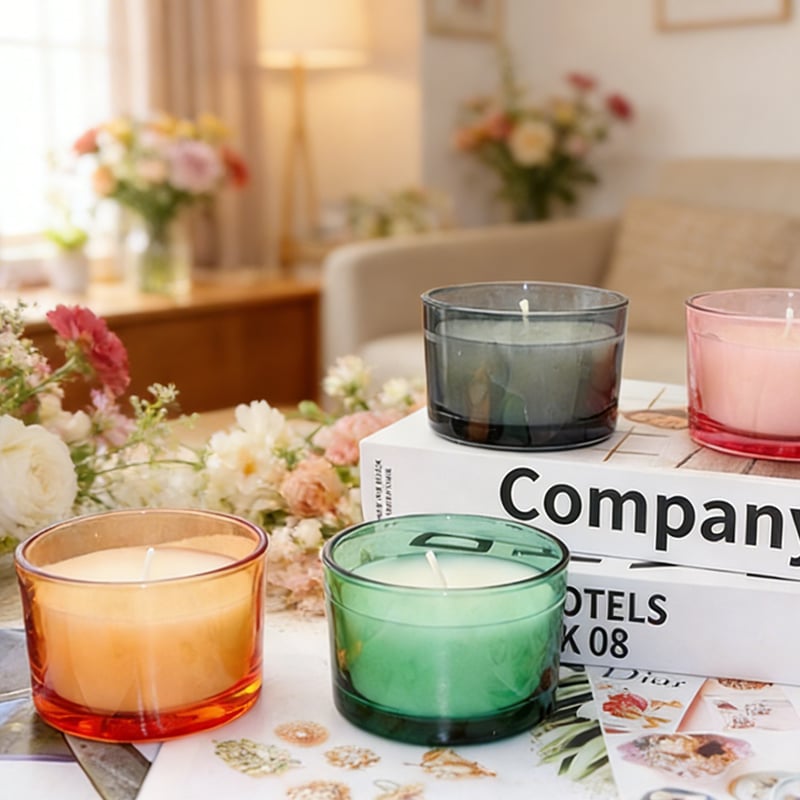
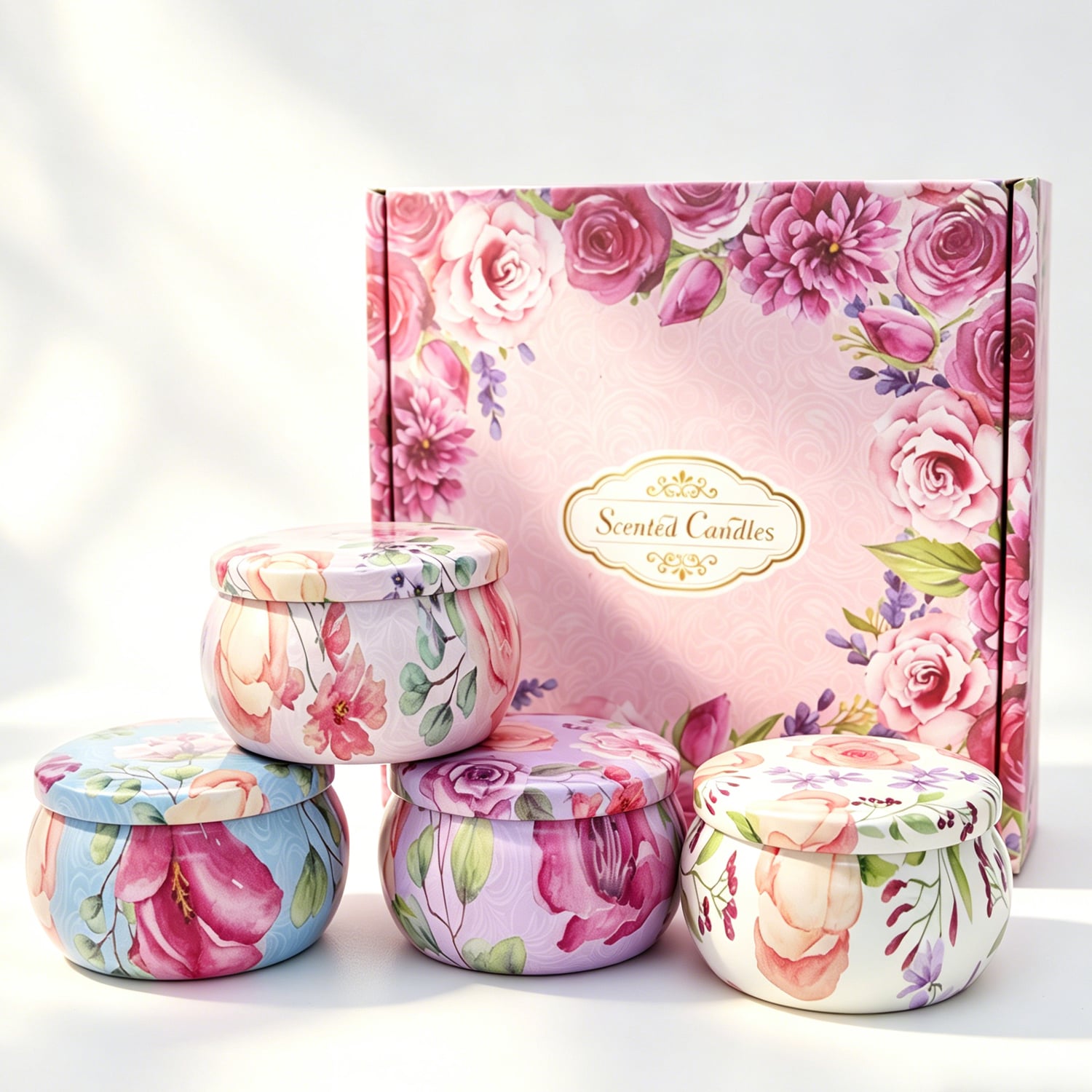
রং স্পেল ক্যান্ডেল সিরিজের মধ্যে সবচেয়ে শক্তিশালী ডিজাইন উপাদানগুলির মধ্যে একটি। রঙিন মোমবাতি ব্র্যান্ডগুলিকে তৎক্ষণাৎ চিহ্নিত করার সুযোগ দেয়, বিশেষ করে যখন একাধিক আইটেম একটি সেট হিসাবে বিক্রি করা হয়। মোমবাতির রঙের অর্থ সংগ্রহটিকে গঠন করতে সাহায্য করতে পারে, কিন্তু এগুলিকে চিরস্থায়ী নিয়ম হিসাবে না দেখিয়ে প্রতীকী ব্যাখ্যা হিসাবে উপস্থাপন করা উচিত। সাদা রং স্পষ্টতা বা শান্তির প্রতীক হতে পারে, সবুজ রং বৃদ্ধির প্রতীক হতে পারে, নীল রং শান্তির প্রতীক হতে পারে এবং বেগুনি রং সৃজনশীলতা বা অন্তর্দৃষ্টির প্রতীক হতে পারে—এটি ব্র্যান্ডের গল্পের উপর নির্ভর করে।
বি-টু-বি ক্রেতাদের জন্য চ্যালেঞ্জ হলো রঙিন মোমবাতিগুলিকে এলোমেলো না করে উদ্দেশ্যপূর্ণ দেখানো। মোমবাতির রঙের অর্থ সুগন্ধ, নাম, লেবেলের টোন এবং বাক্সের ডিজাইনের সাথে মিলে যাওয়া উচিত। আধ্যাত্মিক মোমবাতি এবং অনুষ্ঠানিক মোমবাতিগুলি প্রায়শই তখনই আকর্ষণীয় হারায় যখন রঙের ব্যবস্থা অত্যধিক জটিল বা দৃশ্যগতভাবে অসংগত হয়। প্রতিটি রঙের সংগ্রহে একটি স্পষ্ট ভূমিকা থাকলে এবং এটি একটি বৃহত্তর ডিজাইন থিমকে সমর্থন করলে প্রতীকী মোমবাতিগুলি বাণিজ্যিকভাবে ব্যবহার করা সহজ হয়ে যায়।
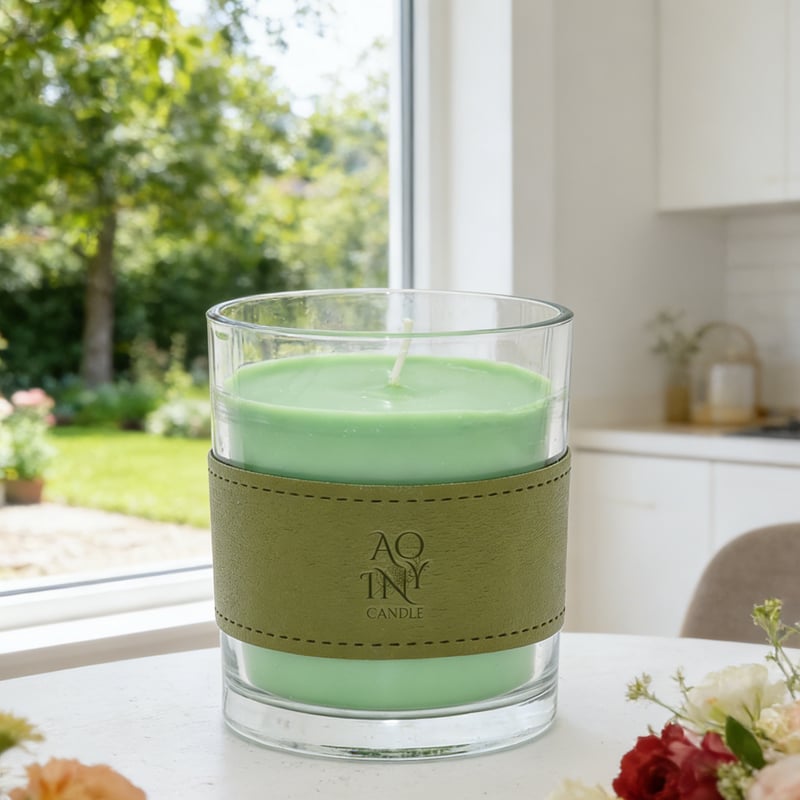
কাস্টম স্পেল ক্যান্ডেলগুলি ব্র্যান্ডগুলিকে একটি আরও বিশিষ্ট পণ্য পরিচয় গড়ার জন্য স্থান প্রদান করে। প্রাইভেট লেবেল স্পেল ক্যান্ডেলগুলিতে সুগন্ধি নির্বাচন, মোমের রঙ, আকার, লেবেলের শিল্পকর্ম, ঢাকনা-শৈলী, বাহ্যিক বাক্স এবং নির্দেশনা কার্ড অন্তর্ভুক্ত করা যেতে পারে। এই প্রেক্ষিতে, একটি স্পেল ক্যান্ডেল কেবল একটি ছোট মোমের বস্তু নয়; এটি একটি প্যাকেজড অভিজ্ঞতা যা দৃশ্যমান, সংবেদনশীল এবং আবেগগত সংকেতগুলি দ্বারা গঠিত।
উদাহরণস্বরূপ, উদ্দেশ্য-ভিত্তিক ক্যান্ডেলগুলি সংক্ষিপ্ত সমর্থনকারী নাম এবং মৃদু সুগন্ধি প্রোফাইল ব্যবহার করতে পারে, যখন ধ্যান-ভিত্তিক ক্যান্ডেলগুলি শান্ত রঙের উপর ফোকাস করতে পারে, সরল লেবেল এবং শামক সুগন্ধি সংমিশ্রণ। একটি বুটিক গ্রাহকদের জন্য আধ্যাত্মিক ক্যান্ডেলগুলি সমৃদ্ধ টোন, উদ্ভিদ-চিত্রকলা বা মহাকাশীয় ডিজাইন বিশদ ব্যবহার করতে পারে। কাস্টম স্পেল ক্যান্ডেলগুলি লক্ষ্য চ্যানেলের কথা মাথায় রেখে উন্নয়ন করা উচিত, কারণ একটি অনলাইন আধ্যাত্মিক দোকান, একটি উপহার বিক্রেতা এবং একটি মৌসুমি সজ্জা ক্রেতা রহস্য, মার্জিততা এবং সহজলভ্যতার বিভিন্ন স্তর আশা করতে পারে।
একটি স্পেল ক্যান্ডেল নিবন্ধ বা পণ্য পৃষ্ঠায় সতর্কভাবে ভাষা ব্যবহার করতে হবে। ধ্যান ক্যান্ডেল, অনুষ্ঠানিক ক্যান্ডেল এবং উদ্দেশ্য-ভিত্তিক ক্যান্ডেলগুলি প্রায়শই ব্যক্তিগত চিন্তনের সাথে যুক্ত, কিন্তু পণ্যের বর্ণনায় আরোগ্য, রক্ষা, সম্পদ, প্রেম বা নিশ্চিত রূপান্তরের প্রতিশ্রুতি দেওয়া উচিত নয়। দায়িত্বশীল ভাষা ব্যবহার করলে পণ্যটি বিস্তৃত খুচরা চ্যানেলের জন্য উপযুক্ত থাকে এবং ভুল তথ্য প্রদানের ঝুঁকি কমে।
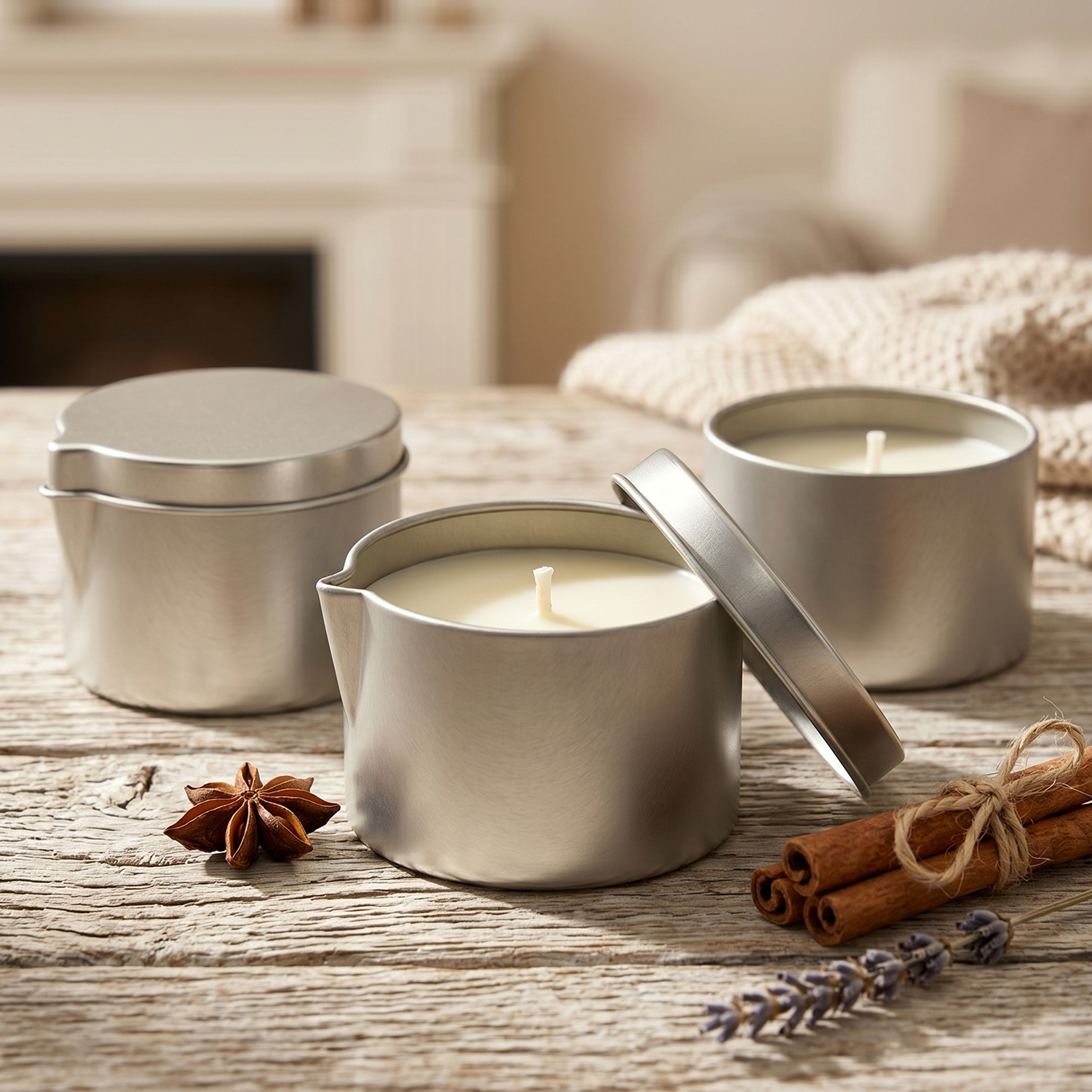
ডিজাইনটিও ব্যবহারকারীদের মনে করিয়ে দেবে যে এই পণ্যগুলি এখনও খোলা শিখা সম্পন্ন পণ্য। আধ্যাত্মিক ক্যান্ডেলগুলি শান্ত ঘরে, ব্যক্তিগত অনুষ্ঠানে বা সজ্জামূলক পরিবেশে ব্যবহার করা যেতে পারে, কিন্তু নিরাপত্তা সংক্রান্ত তথ্য স্পষ্ট রাখা আবশ্যিক। পণ্য ডিজাইনারদের স্থিতিশীল ভিত্তি, উপযুক্ত বাতি নির্বাচন, দৃশ্যমান সতর্কতা লেবেল, তাপ-প্রতিরোধী ব্যবহার নির্দেশনা এবং পরিবহনকালীন ক্যান্ডেলকে রক্ষা করে এমন প্যাকেজিং বিবেচনা করা উচিত। একটি সুন্দর ধারণা বাণিজ্যিক মূল্য হারাতে পারে যদি ক্রয়ের পরে পণ্যটি নিরাপদ বা স্পষ্ট বলে মনে না হয়।
একটি স্পেল ক্যান্ডেল রেঞ্জ ধারণা পর্যায়ে সহজ দেখতে হতে পারে, কিন্তু উৎপাদনের জন্য সাবধানতার সঙ্গে সমন্বয় প্রয়োজন। একজন ক্যান্ডেল নির্মাতাকে রংয়ের সামঞ্জস্য, সুগন্ধের ভারসাম্য, মোমের সমাপ্তি, ফিটিংয়ের অবস্থান, লেবেলের সঠিক সারিবদ্ধতা এবং প্যাকিং নিশ্চিত করতে হবে। একজন ক্যান্ডেল সরবরাহকারীকে ছোট থিমযুক্ত আইটেমগুলি কীভাবে গণনা করা হয়, কীভাবে প্যাক করা হয় এবং কীভাবে পরীক্ষা করা হয়—এই বিষয়গুলি বোঝা উচিত, বিশেষ করে যখন একটি রিটেইল বক্সে একাধিক রং বা অর্থ অন্তর্ভুক্ত থাকে।
এই প্রেক্ষিতে অয়িন শিংটাং ক্যান্ডেলকে স্বাভাবিকভাবেই বিবেচনা করা যেতে পারে, কারণ এটি ক্যান্ডেল কাস্টমাইজেশন, রপ্তানি উৎপাদন এবং আন্তর্জাতিক B2B ক্রেতাদের জন্য বিভিন্ন পণ্য বিভাগে অভিজ্ঞতা রাখে। ব্র্যান্ডগুলির জন্য গুরুত্বপূর্ণ বিষয় হলো এমন একজন অংশীদারের সঙ্গে কাজ করা, যিনি প্রতীকী ডিজাইন এবং পুনরাবৃত্তিযোগ্য উৎপাদন—উভয়কেই বোঝেন। একটি স্পেল ক্যান্ডেল প্রকল্প ধারণা থেকে নমুনা পর্যন্ত রং, সুগন্ধ, আকার, প্যাকেজিং এবং শব্দচয়ন সম্পর্কে স্পষ্ট সিদ্ধান্ত নিয়ে এগিয়ে যাওয়া উচিত।
নতুন থিমের সংগ্রহ তৈরি করছেন এমন ক্রেতাদের জন্য পরবর্তী ধাপ হলো প্রযুক্তিগত বিশদ আলোচনার আগে আবেগগত দিকনির্দেশ নির্ধারণ করা। একবার ব্র্যান্ড সিদ্ধান্ত নেয় যে সংগ্রহটি রহস্যময়, ন্যূনতমবাদী, ঋতুভিত্তিক, সুস্থতা-অনুপ্রাণিত না উপহার-কেন্দ্রিক অনুভূতি দেবে, তখন ডিজাইন প্রক্রিয়াটি আরও সুসংগত হয়ে ওঠে। এরপর একটি সুনির্দিষ্টভাবে পরিকল্পিত স্পেল ক্যান্ডেল একটি বৃহত্তর খুচরা সংগ্রহের অর্থপূর্ণ অংশ হয়ে ওঠে।
 হট নিউজ
জানুয়ারি 2014 এ প্রতিষ্ঠিত আওয়েইন ঝিংটাং ক্যান্ডেল কোং, লিমিটেড হেবেই প্রদেশে অবস্থিত। এতে 5টি উৎপাদন লাইন এবং 400টির বেশি মেশিন রয়েছে, যা সুগন্ধি মোমবাতি, চা আলো, জার মোমবাতি, স্তম্ভ মোমবাতি ইত্যাদি তৈরিতে বিশেষজ্ঞ।
Fengjiazuo Village West, Yuting Township, Shijiazhuang, Hebei, China
Copyright © Aoyin Xingtang Candle Co., Ltd. All Rights Reserved গোপনীয়তা নীতি
 EN
EN