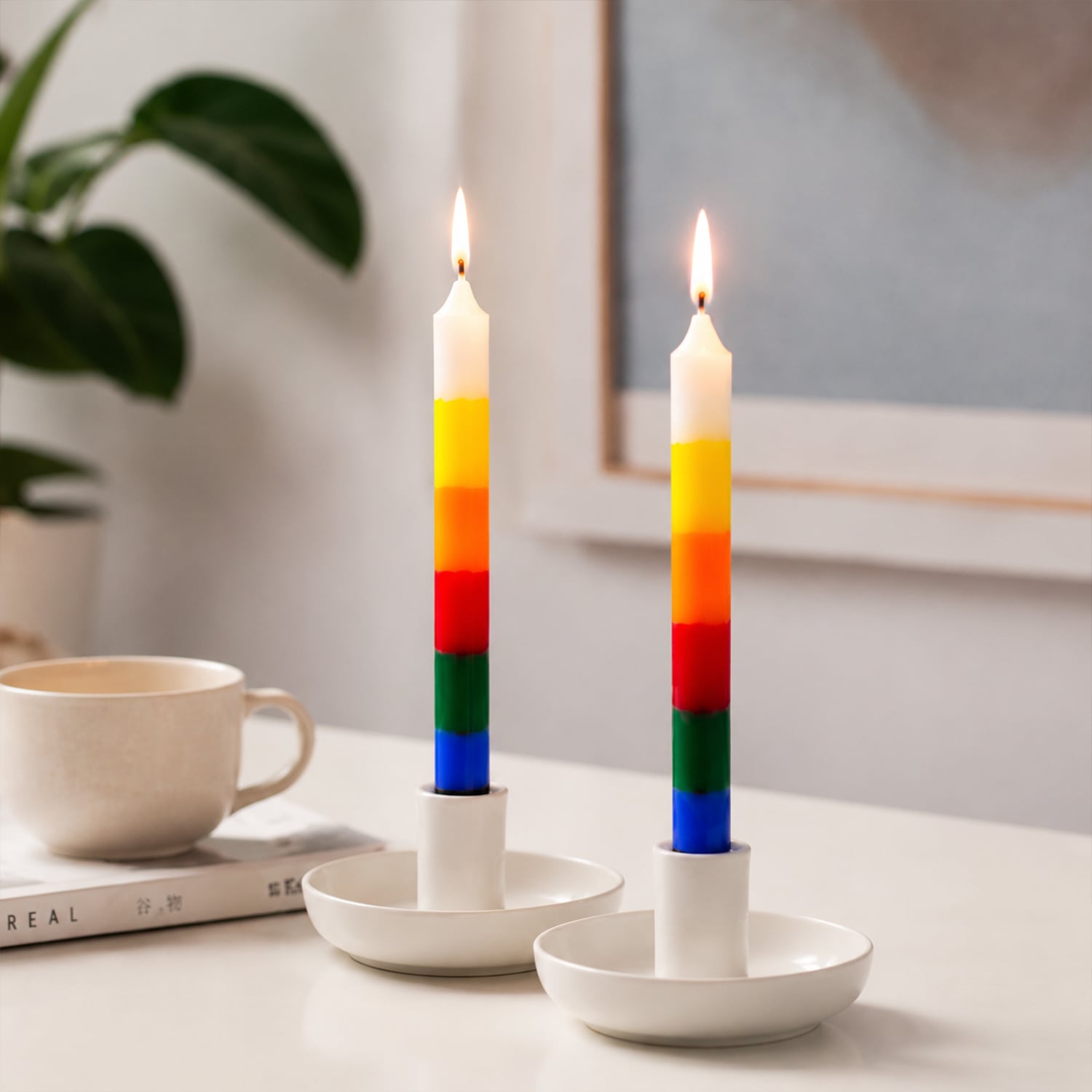
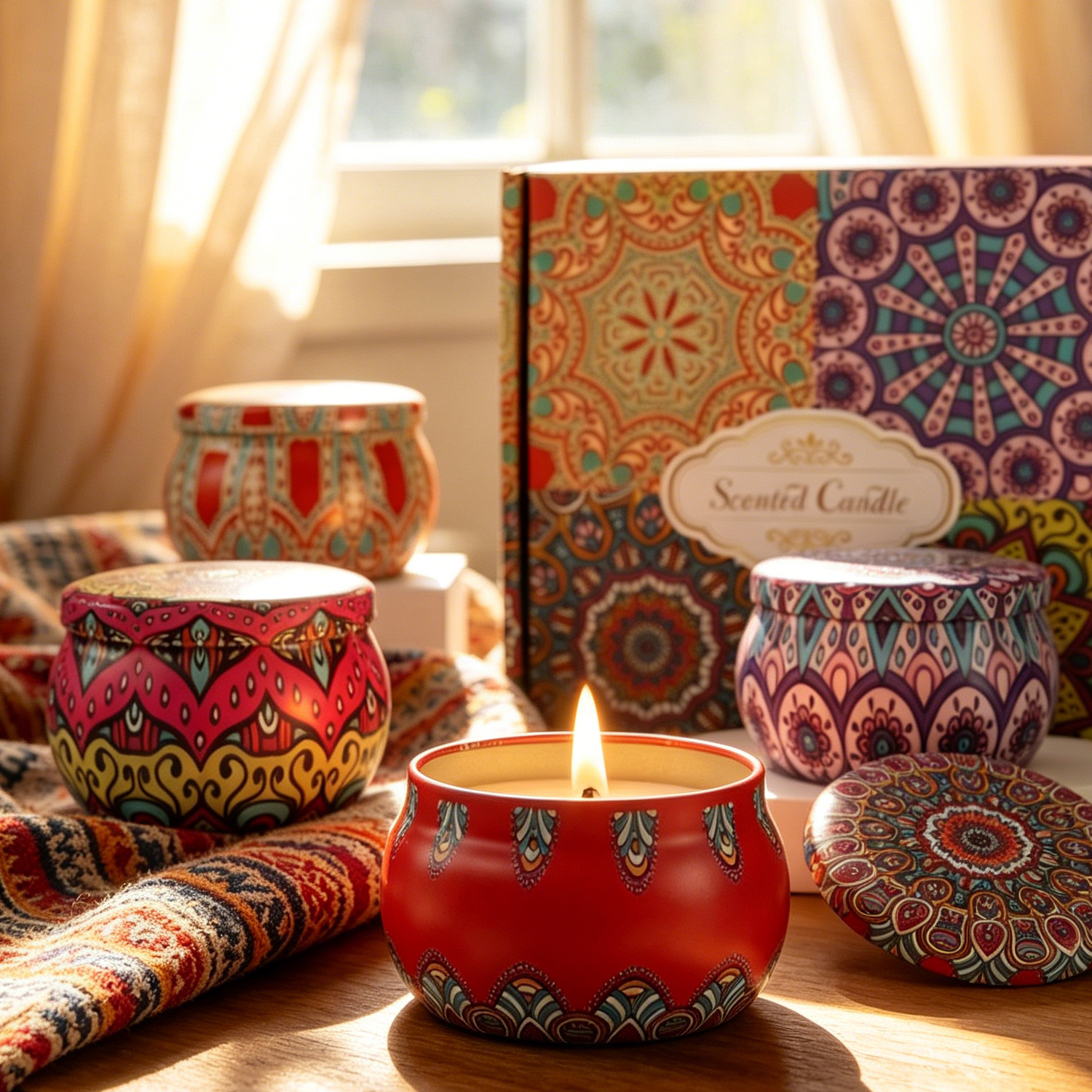
একটি মৌমাছির মোমের স্তম্ভ মোমবাতি হল ব্র্যান্ডগুলির জন্য সেরা বিকল্প, যারা প্রিমিয়াম, প্রাকৃতিক বা উপহার-কেন্দ্রিক মোমবাতি লাইন তৈরি করবেন কিনা তা সিদ্ধান্ত নিচ্ছেন। এই গাইডে মৌমাছির মোমের স্তম্ভ মোমবাতি, প্রাকৃতিক মৌমাছির মোমের মোমবাতি, বিশুদ্ধ মৌমাছির মোমের মোমবাতি এবং প্রাইভেট লেবেল মৌমাছির মোমের মোমবাতির তুলনা করা হয়েছে, যাতে ক্রেতারা উন্নয়নের আগে খরচ, বাজারের সাথে মেলানো এবং সরবরাহের ঝুঁকি মূল্যায়ন করতে পারেন।
কেন একটি মৌমাছির মোমের স্তম্ভ মোমবাতি প্রিমিয়াম অবস্থানের জন্য কাজ করে
প্রধান মূল্য কম দাম নয়, বরং শক্তিশালী প্রাকৃতিক আকর্ষণ এবং উচ্চতর ধারণাগত মূল্য। ভর বাজারের মোমের বিকল্পগুলির তুলনায়, মৌমাছির মোমের মোমবাতিগুলি প্রাকৃতিক মোমবাতি, প্রিমিয়াম মোমবাতি, হোম ডেকোর মোমবাতি এবং উপহার মোমবাতির সাথে সংযুক্ত করা সহজ, কারণ এদের উষ্ণ টোন, মধুর মতো সূক্ষ্ম সুগন্ধ এবং ঐতিহ্যবাহী উপাদানের গল্প রয়েছে।
ব্র্যান্ড মালিকদের জন্য, মৌমাছির মোমের স্তম্ভ মোমবাতি শেল্ফগুলিতে আরও সূক্ষ্ম দেখানোর জন্য এবং উপহার প্যাকেজিংয়ে আরও মূল্যবান অনুভূতি তৈরি করার জন্য একটি পণ্য লাইন তৈরি করতে সাহায্য করতে পারে। এটি বিশেষভাবে বুটিক, স্বাস্থ্যসেবা দোকান, গৃহ সুগন্ধি বিক্রেতা, চার্চ সরবরাহ চ্যানেল এবং পরিবেশ-কেন্দ্রিক জীবনযাপন ব্র্যান্ডগুলির জন্য উপযুক্ত। তবে, এটিকে সাবধানে অবস্থান করা আবশ্যক: যদি আপনার প্রধান বিক্রয় বিন্দু কম মূল্য হয়, তবে মৌমাছির মোম সম্ভবত সর্বোত্তম মোম পছন্দ নয়।
|
|
|
| পণ্য দিকনির্দেশনা |
পণ্য দিকনির্দেশনা |
ক্রেতার সিদ্ধান্ত |
| প্রাকৃতিক মৌমাছির মোমের মোমবাতি |
প্রাকৃতিক জীবনযাপন ও স্বাস্থ্যসেবা খুচরা বিক্রয় |
উপাদানের উৎস এবং উষ্ণ চেহারা হাইলাইট করুন |
| হাতে তৈরি মৌমাছির মোমের মোমবাতি |
বুটিক এবং শিল্পকর্ম-শৈলীর সংগ্রহ |
টেক্সচার, ছোট ব্যাচের অনুভূতি এবং প্যাকেজিংয়ের উপর ফোকাস করুন |
| গন্ধহীন মৌমাছির মোমের মোমবাতি |
পরিষ্কার গৃহ, অনুষ্ঠান এবং ডাইনিং ব্যবহার |
সূক্ষ্ম প্রাকৃতিক সুগন্ধ এবং সরল সূত্রের উপর জোর দিন |
| সুগন্ধিযুক্ত মৌমাছির মোমের মোমবাতি |
উচ্চমানের সুগন্ধি উপহার |
সুগন্ধি সামঞ্জস্য এবং দহন কর্মক্ষমতা পরীক্ষা করুন |
| গির্জার মোমবাতি |
অনুষ্ঠান এবং ঐতিহ্যগত ব্যবহার |
দহন সময়, ব্যাস এবং শিখা স্থিতিশীলতা নিশ্চিত করুন |
| উপহার মোমবাতি |
উচ্চমানের মৌসুমি বা কর্পোরেট উপহার |
বাক্সের গঠন এবং দৃশ্যমান উপস্থাপনায় বিনিয়োগ করুন |
মৌমাছির মোমের স্তম্ভাকার মোমবাতি পণ্যের প্রধান সুবিধাগুলি
সবচেয়ে বড় সুবিধাগুলি হলো প্রাকৃতিক পরিচয়, উষ্ণ দৃশ্যমান প্রভাব এবং শক্তিশালী উপহার মূল্য। বিশুদ্ধ মৌমাছির মোমের মোমবাতিগুলি সাধারণত স্বাভাবিকভাবে সোনালি টোন এবং মধুর মতো মৃদু সুগন্ধি বহন করে, যা এগুলিকে সাধারণ সাদা মোমের পণ্যগুলি থেকে আলাদা করে। এটি মৌমাছির মোমের মোমবাতিগুলিকে আরও প্রামাণিক এবং প্রকৃতি-অনুপ্রাণিত লাইন চাওয়া ব্র্যান্ডগুলির জন্য আকর্ষণীয় করে তোলে।
যেহেতু স্তম্ভ মোমবাতির কাচের পাত্রের প্রয়োজন হয় না, এগুলি সরল ও শাস্ত্রীয় চেহারা প্রদান করতে পারে। প্রাকৃতিক বা পরিবেশ-বান্ধব মোমবাতি বিক্রয়কারী ব্র্যান্ডগুলির জন্য এই ফরম্যাটটি ক্রাফট বাক্স, কাগজের মোড়ক, সূতির থলে বা ন্যূনতম খুচরা প্যাকেজিংয়ে ভালোভাবে কাজ করে। পণ্যটি নিজেই দৃশ্যমান উষ্ণতা বহন করে, তাই প্যাকেজিংয়ের অত্যধিক জটিল হওয়ার প্রয়োজন নেই।
একটি ভালোভাবে উন্নয়নশীল মৌমাছির মোমের স্তম্ভ মোমবাতি যখন মোমের সূত্র, ব্যাস এবং মোমবাতির সূতা সঠিকভাবে মিলিয়ে তৈরি করা হয়, তখন এটি দীর্ঘ দহনকাল প্রদান করতে পারে। এটি গুরুত্বপূর্ণ, কারণ উচ্চ মূল্য প্রদানকারী গ্রাহকরা পণ্যটিকে স্থূল ও মূল্যবান অনুভব করতে আশা করেন। বি-টু-বি ক্রেতাদের জন্য, দীর্ঘ দহনকাল খুচরা বর্ণনা এবং ক্যাটালগ তালিকায় শক্তিশালী মূল্য গল্প সমর্থন করতে পারে।
অন্য একটি সুবিধা হলো বহুমুখিতা। মৌমাছির মোমের পণ্যগুলি গৃহ সজ্জা, আধ্যাত্মিক ব্যবহারের জিনিস, উচ্চ-মানের উপহার, বিয়ের স্মৃতিস্থল বা স্বাস্থ্যসেবা সংক্রান্ত সামগ্রী হিসেবে বিক্রি করা যেতে পারে। এটি ব্রান্ডগুলিকে একটি পণ্য পরিবার দিয়ে একাধিক চ্যানেল পরিষেবা দেওয়ার সুযোগ দেয়, যদিও একইসাথে একটি সামঞ্জস্যপূর্ণ উচ্চ-মানের ছবি বজায় রাখে।
মৌমাছির মোমের স্তম্ভ মোমবাতি পণ্যের প্রধান অসুবিধাগুলি
প্রধান অসুবিধাগুলি হলো উচ্চ খরচ, প্রাকৃতিক ভিন্নতা এবং কঠোর উৎপাদন নিয়ন্ত্রণ। মৌমাছির মোমের স্তম্ভ মোমবাতি সাধারণত প্যারাফিন বা সয়া ভিত্তিক বিকল্পগুলির তুলনায় বেশি দামি, কারণ কাঁচামাল হিসেবে মৌমাছির মোমের যোগান সীমিত এবং এর দাম ঋতু, বিশুদ্ধতা এবং সংগ্রহের শর্তাবলী অনুযায়ী পরিবর্তিত হতে পারে।
প্রাকৃতিক রঙের ভিন্নতা আরেকটি ব্যবহারিক সমস্যা। মৌমাছির মোম একটি প্রাকৃতিক উপাদান হওয়ায়, ব্যাচ অনুযায়ী মৌমাছির মোমের স্তম্ভ মোমবাতিগুলির রঙ বা গন্ধে সামান্য পার্থক্য হতে পারে। হাতে তৈরি বা প্রাকৃতিক অবস্থানের ব্রান্ডগুলির জন্য এটি একটি গল্পের অংশ হতে পারে। কিন্তু শেলফে কঠোর সামঞ্জস্য প্রয়োজন এমন রিটেইলারদের জন্য এটি অনুমোদিত রঙের নমুনা এবং ব্যাচ নিশ্চিতকরণের মাধ্যমে নিয়ন্ত্রণ করতে হবে।
ব্র্যান্ডগুলিকে দাবির বিষয়েও সতর্ক থাকতে হবে। চিকিৎসা সংক্রান্ত বা অতিমাত্রায় বায়ু পরিশোধনের দাবি এড়ানো ভালো। নিরাপদ ভাষায় বলা যায়, “প্রাকৃতিক মৌমাছির মোম”, “উষ্ণ আলো”, “মৃদু মধুর মতো সুগন্ধ”, এবং “শান্ত গৃহ পরিবেশের জন্য নকশা করা”। এটি ব্র্যান্ডকে রক্ষা করে এবং একইসাথে মূল্য যোগাযোগ করে।
প্রিমিয়াম মোমবাতির ক্ষেত্রে পৃষ্ঠের চেহারা গুরুত্বপূর্ণ। আঁচড়, ধাক্কা, ফ্রস্টিং, ফাটল, মোমবাতির বাতির অফসেট, বা প্রান্তের ক্ষতি—সবগুলোই ধারণাগত মানের হ্রাস ঘটায়। যেহেতু পিলার ফরম্যাটগুলি কোনো জার ছাড়াই সরাসরি দৃশ্যমান, তাই পৃষ্ঠের প্রতিটি ত্রুটি গ্রাহকদের কাছে সহজেই লক্ষ্য করা যায়।
মৌমাছির মোমের পিলার মোমবাতি বনাম সয়া ও প্যারাফিন মোম
সঠিক মোম নির্ভর করে মূল্য স্তর, ব্র্যান্ড বার্তা এবং বিক্রয় চ্যানেলের উপর। যখন কোনো ব্র্যান্ড প্রাকৃতিক প্রিমিয়াম ছবি তৈরি করতে চায়, তখন মৌমাছির মোমের পিলার মোমবাতি আদর্শ। কিন্তু এটি সবসময় মূল্য-সংবেদনশীল হোলসেল প্রোগ্রামের জন্য সবচেয়ে ব্যবহারিক বিকল্প নয়।
|
|
|
|
| মোমের প্রকার |
শক্তি |
সীমাবদ্ধতা |
সর্বোত্তম ব্র্যান্ড ফিট |
| মৌমাছির মোমের পিলার মোমবাতি |
প্রাকৃতিক চেহারা, উষ্ণ টোন, প্রিমিয়াম আকর্ষণ |
উচ্চ খরচ এবং ব্যাচ ভ্যারিয়েশন |
বুটিক, ওয়েলনেস, উপহার, অনুষ্ঠান |
| সয়া জেল |
উদ্ভিদ-ভিত্তিক ছবি এবং নরম চেহারা |
শীতকালীন ফ্রস্ট হতে পারে অথবা নরম সুগন্ধি বিস্তার করতে পারে |
গৃহ সুগন্ধি এবং জীবনযাপন খুচরা বিক্রয় |
| প্যারাফিন মোম |
কম খরচ এবং শক্তিশালী সুগন্ধি কার্যকারিতা |
দুর্বল প্রাকৃতিক অবস্থান |
ভর্তি খুচরা বিক্রয় এবং প্রচারমূলক পণ্য |
| মিশ্রিত মোম |
খরচ ও কার্যকারিতার ভারসাম্য |
স্পষ্ট লেবেলিং এবং পরীক্ষা প্রয়োজন |
কাস্টম পণ্য লাইন এবং মিশ্র চ্যানেল |
প্রাকৃতিক মৌমাছির মোমের মোমবাতির জন্য, ক্রেতাদের উপাদানের প্রামাণিকতা এবং দৃশ্যমান সামঞ্জস্যতা উপর মনোযোগ দেওয়া উচিত। স্ট্যান্ডার্ড পিলার মোমবাতির জন্য, খরচ এবং দহন সময় আরও গুরুত্বপূর্ণ হতে পারে। পরিবেশবান্ধব মোমবাতির জন্য, প্যাকেজিং উপাদান এবং দাবির সঠিকতা মোমের সঙ্গে একসঙ্গে পরীক্ষা করা উচিত।
যদি আপনার বাজার মূলত উচ্চ-মানের উপহারের দোকান, প্রাকৃতিক বৌটিক বা সুস্থতা দোকানের মাধ্যমে বিক্রয় করে, তবে মৌমাছির মোম একটি উচ্চতর মূল্য সমর্থন করতে পারে। যদি আপনার বাজার মূলত ডিসকাউন্ট প্রচারের উপর প্রতিযোগিতা করে, তবে প্যারাফিন বা মিশ্র মোম স্কেল করা সহজ হতে পারে। সয়া একটি মধ্যবর্তী বিকল্প হতে পারে যখন ক্রেতারা একটি উদ্ভিদ-ভিত্তিক গল্প চান কিন্তু আরও মাঝারি খরচে।
ব্র্যান্ডগুলির জন্য পণ্য অবস্থান সিদ্ধান্ত
ব্র্যান্ডগুলির পণ্য উন্নয়নের আগে বিক্রয় ভূমিকা নির্ধারণ করা উচিত। মৌমাছির মোমের লাইনটি একটি হিরো পণ্য, একটি মৌসুমি উপহার, একটি অনুষ্ঠানের জিনিস বা বিদ্যমান মোমবাতি সিরিজের একটি প্রিমিয়াম সম্প্রসারণ হতে পারে। প্রতিটি ভূমিকার জন্য ভিন্ন ভিন্ন বিশেষীকরণ প্রয়োজন।
নমুনা তৈরির আগে এই সিদ্ধান্ত গ্রহণ প্রক্রিয়াটি ব্যবহার করুন:
১. লক্ষ্য চ্যানেলটি বেছে নিন: রিটেইল বুটিক, ওয়েলনেস স্টোর, চার্চ সাপ্লাই, হোটেল গিফট শপ অথবা অনলাইন স্টোর।
২. আকার, ওজন এবং প্যাকেজিং বেছে নেওয়ার আগে দামের স্তর নির্ধারণ করুন।
৩. গ্রাহকরা সরল প্যাকেজিংয়ে হোলসেল মৌমাছির মোমের স্তম্ভ মোমবাতি নাকি প্রিমিয়াম বক্স সেটগুলি পছন্দ করে কিনা তা পরীক্ষা করুন।
৪. শুধুমাত্র তখনই কাস্টম মৌমাছির মোমের স্তম্ভ মোমবাতি ব্যবহার করুন যখন রং, আকার অথবা পৃষ্ঠতলের শৈলী স্পষ্টভাবে ব্র্যান্ড পরিচয়কে সমর্থন করে।
৫. যখন আপনার লোগো লেবেল, কাস্টম বক্স, বারকোড এবং পুনরাবৃত্তিযোগ্য ব্র্যান্ড উপস্থাপনা প্রয়োজন হয়, তখন প্রাইভেট লেবেল মৌমাছির মোমের মোমবাতি বেছে নিন।
৬. মৌমাছির মোমের মোমবাতির সরবরাহকারীকে জ্বলন পরীক্ষা, বাতির দগদগ মেলানো এবং পৃষ্ঠতলের গুণগত মানের মানদণ্ড জানতে অনুরোধ করুন।
৭. নমুনা সামঞ্জস্যতা, লিড টাইম এবং প্যাকেজিং সুরক্ষা নিয়ে কমপক্ষে একজন মৌমাছির মোমের মোমবাতি নির্মাতার তুলনা করুন।
অনেক ব্র্যান্ডের জন্য সবচেয়ে ভালো প্রথম ধাপ হলো অত্যধিক আকারের পণ্য চালু না করা। এক বা দুটি মূল ব্যাসার্ধ, একটি গন্ধহীন সংস্করণ এবং একটি উপহার-প্রস্তুত প্যাকেজ নিয়ে শুরু করুন। বিক্রয় প্রতিক্রিয়া স্পষ্ট হলে পরে গন্ধযুক্ত সংস্করণ, মৌসুমি রং বা বাক্স করা সেটগুলি যোগ করুন।
কম ঝুঁকির সাথে মৌমাছির মোমের মোমবাতি সংগ্রহ করার পদ্ধতি
সবচেয়ে নিরাপদ সংগ্রহ কৌশল হলো শুধুমাত্র একটি সমান রেফারেন্স পণ্য নয়, বরং চূড়ান্ত নমুনা অনুমোদন করা। মৌমাছির মোমের কার্যকারিতা ব্যাসার্ধ, বাতি, ছাঁচ, সুগন্ধি মিশ্রণের পরিমাণ এবং এমনকি প্যাকেজিংয়ের চাপের সাথে পরিবর্তিত হয়। চূড়ান্ত আকার ও চূড়ান্ত প্যাকেজিংয়ে নমুনা ক্রেতাদের বৃহৎ উৎপাদনের একটি আরও সঠিক ধারণা দেয়।
অয়িন শিংটাং মোমবাতি ব্র্যান্ড মালিকদের কাস্টম মধুমক্ষিক মোমের স্তম্ভ মোমবাতি, রং ও আকার উন্নয়ন, প্যাকেজিং বিকল্প, স্থিতিশীল মান নিয়ন্ত্রণ এবং দ্রুত প্রতিক্রিয়াশীল সেবা প্রদান করতে সক্ষম। যারা নিজস্ব লেবেলের মধুমক্ষিক মোমের মোমবাতি তৈরি করছেন, তাদের জন্য এই ধরনের সহায়তা নমুনা পরীক্ষার সময় পারস্পরিক যোগাযোগ কমিয়ে দেয় এবং পুনরাবৃত্তি অর্ডারগুলিতে সামঞ্জস্য বৃদ্ধি করে।
বাল্ক উৎপাদন নিশ্চিত করার আগে জ্বলন সময়, শিখা উচ্চতা, মোমের পৃষ্ঠ, প্যাকেজিংয়ের ফিট, কার্টনের শক্তি এবং পরিবহনের সময় তাপমাত্রা সংবেদনশীলতা পরীক্ষা করুন। যদি পণ্যটি প্রিমিয়াম হিসাবে অবস্থান করা হয়, তবে দাগ এবং পৃষ্ঠের চিহ্ন রোধ করতে সুরক্ষামূলক মোড়ানো বা পৃথক বাক্স অনুরোধ করুন।
আপনার মধুমক্ষিক মোমের স্তম্ভ মোমবাতি প্রকল্পটি স্পষ্ট দাম নির্ধারণ, লক্ষ্য চ্যানেল এবং চূড়ান্ত প্যাকেজিং ধারণা দিয়ে শুরু করুন। আপনার আকার, মোমের বিশুদ্ধতা, ব্র্যান্ডিং এবং পরিমাণের প্রয়োজনীয়তা শেয়ার করুন যাতে উপযুক্ত নমুনা অনুরোধ করা যায়। একটি ফোকাসড উন্নয়ন পরিকল্পনা আপনার ব্র্যান্ডকে প্রাকৃতিক উপাদানের মূল্যকে লাভজনক পণ্য লাইনে রূপান্তরিত করতে সাহায্য করবে।

 হট নিউজ
 EN
EN